A spiritual journey to the heartland of Vajra Yogini
The great Himalayan range has long evoked feelings of awe and spirituality among pilgrims and explorers who have trekked its snowy peaks for centuries. The ancient Indians worshipped the Himalayas as the lofty abode of the Gods. The Himalayas are also deeply sacred to Buddhists who believe that Buddhas such as Heruka Chakrasamvara and his consort Vajra Yogini reside on Mount Kailash, right in the heart of this awesome mountain range.
Nepal is nestled among some of the tallest peaks of the Himalayas. It is fascinating for its rich culture, history and spirituality. Buddhist and Hindu traditions have long co-existed in harmony here. Both traditions believe that the primary place of communion with the divine is at the place where the divine resides. These divine residences are called pithasthan in Nepali or loosely translated as “power places”.
Sacred power places are imbued with the blessed energy of the many enlightened beings who have resided, practised and benefited countless other beings there.
– Tsem Rinpoche –
Power places are regarded as portals into the realms of the divine. They act as the wellspring from which spiritual realisations and renewed psychic energy gushes forth. Our founder, H.E. Tsem Rinpoche always encouraged his students to visit the power places in Nepal and other holy sites to awaken the spiritual seeds within our minds.
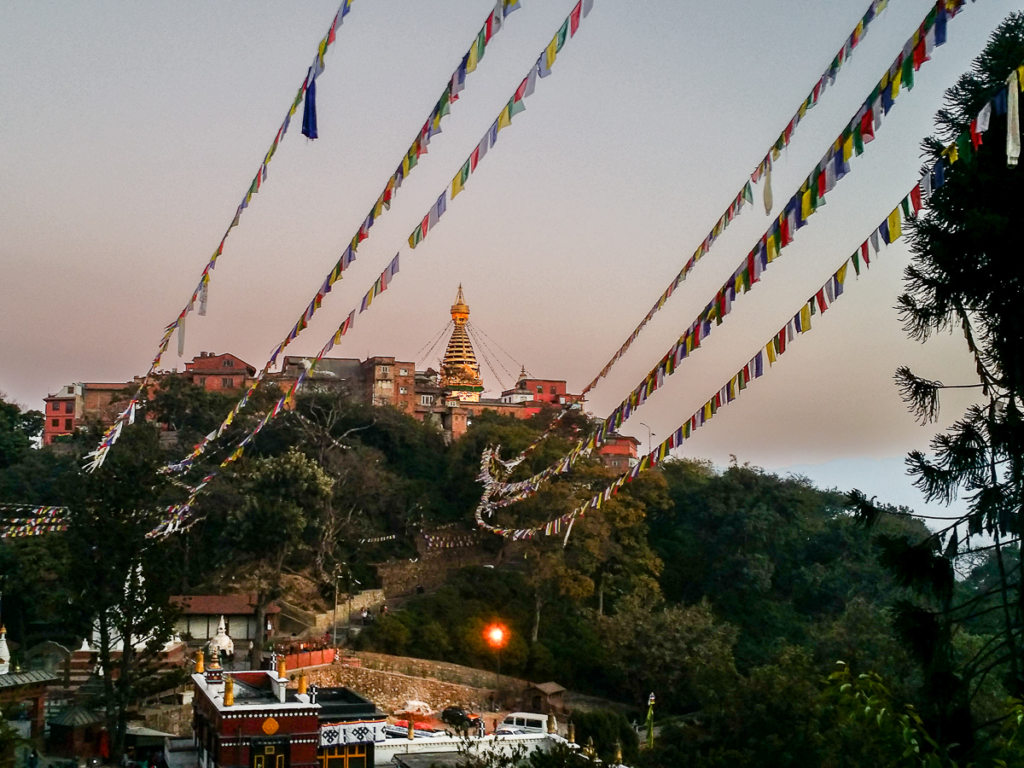
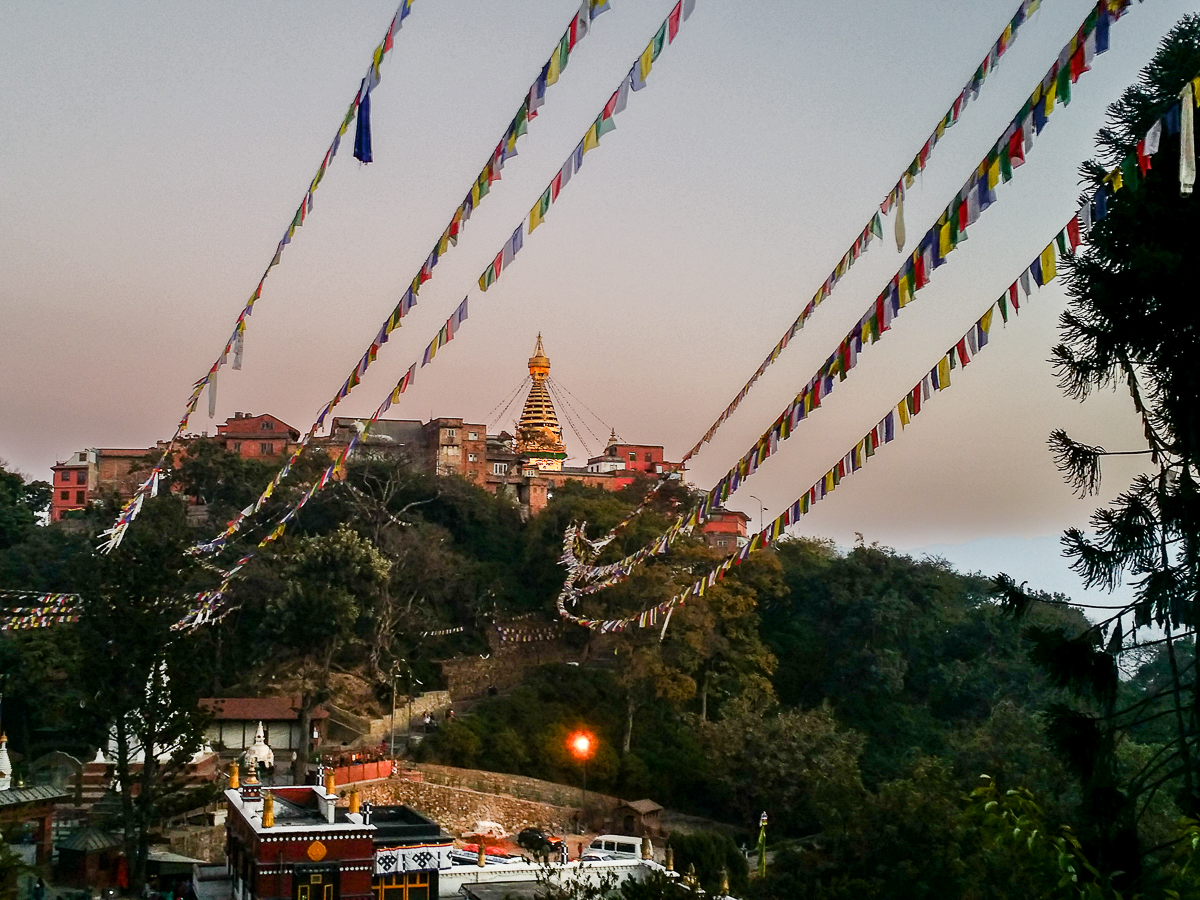
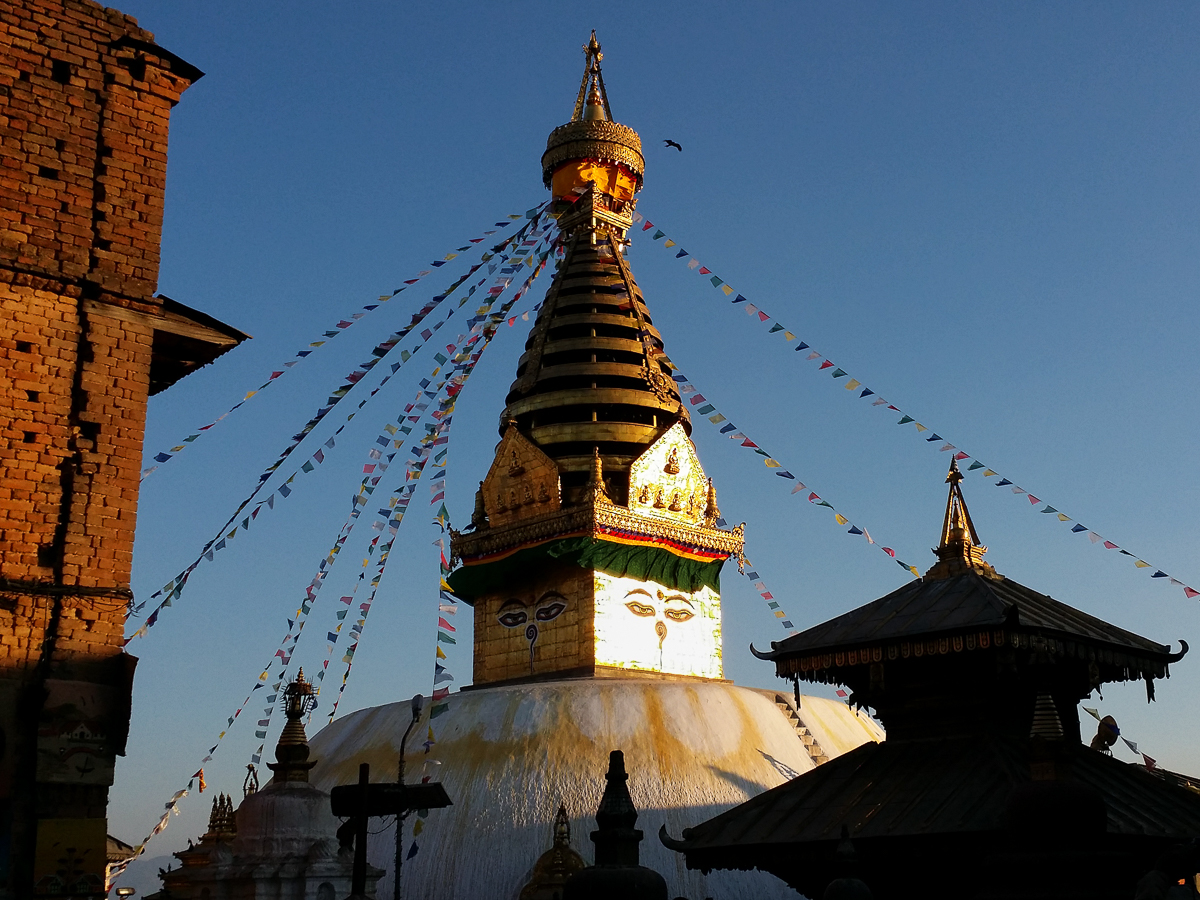
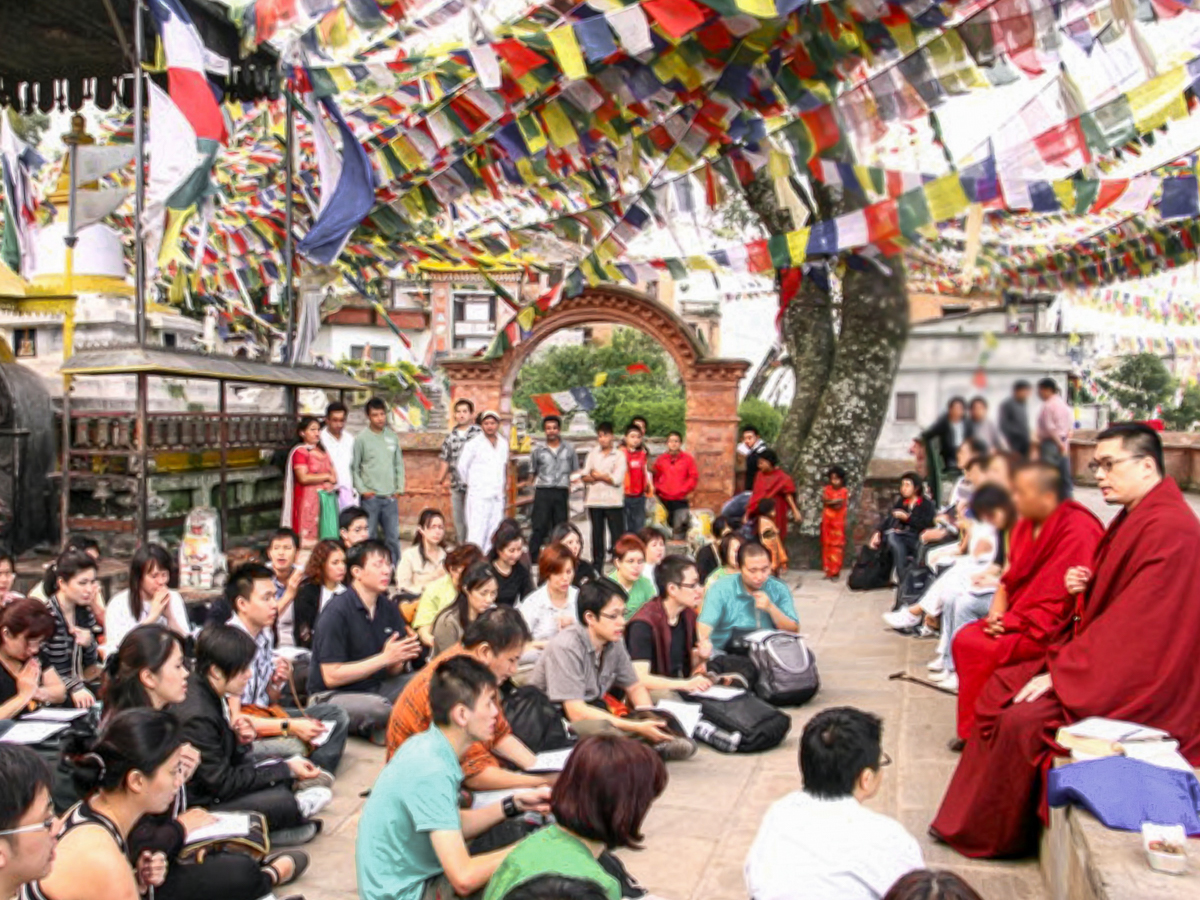
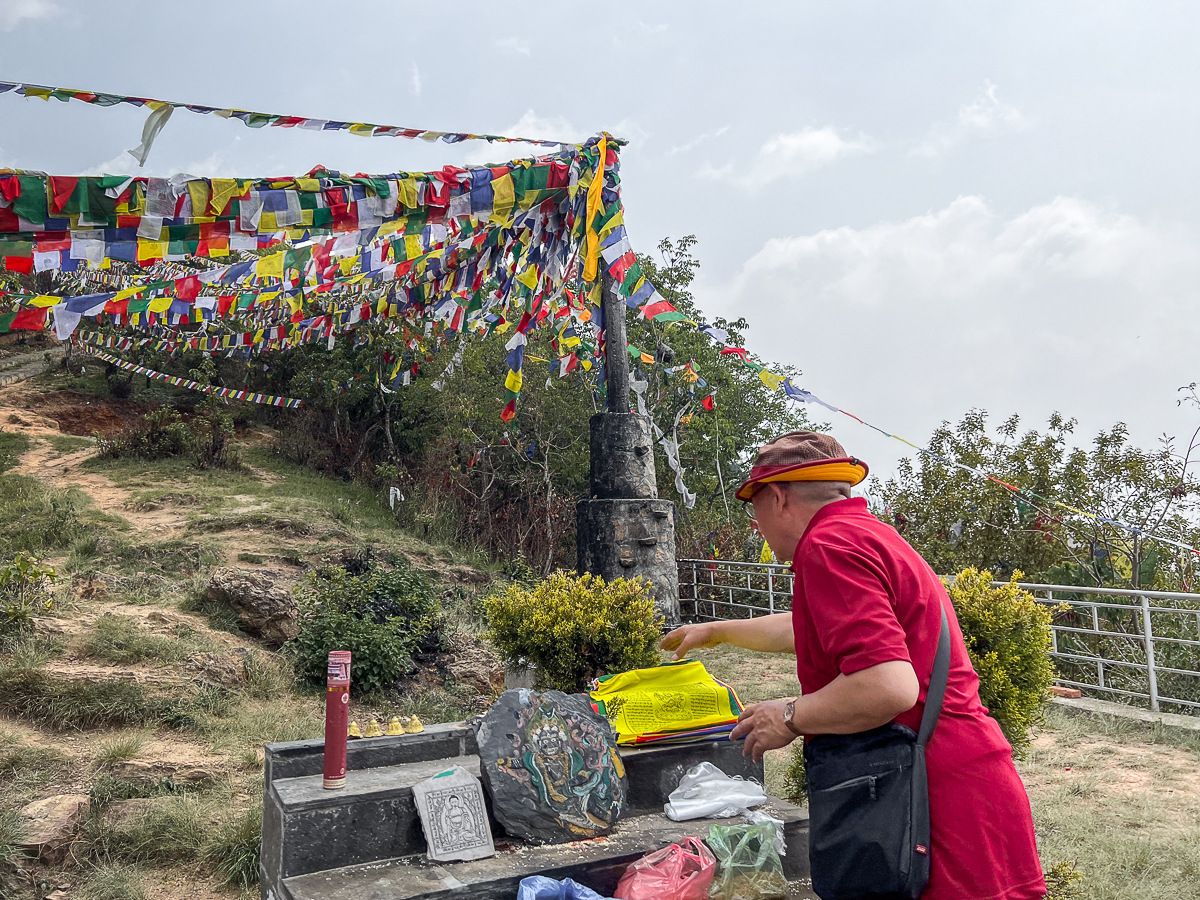
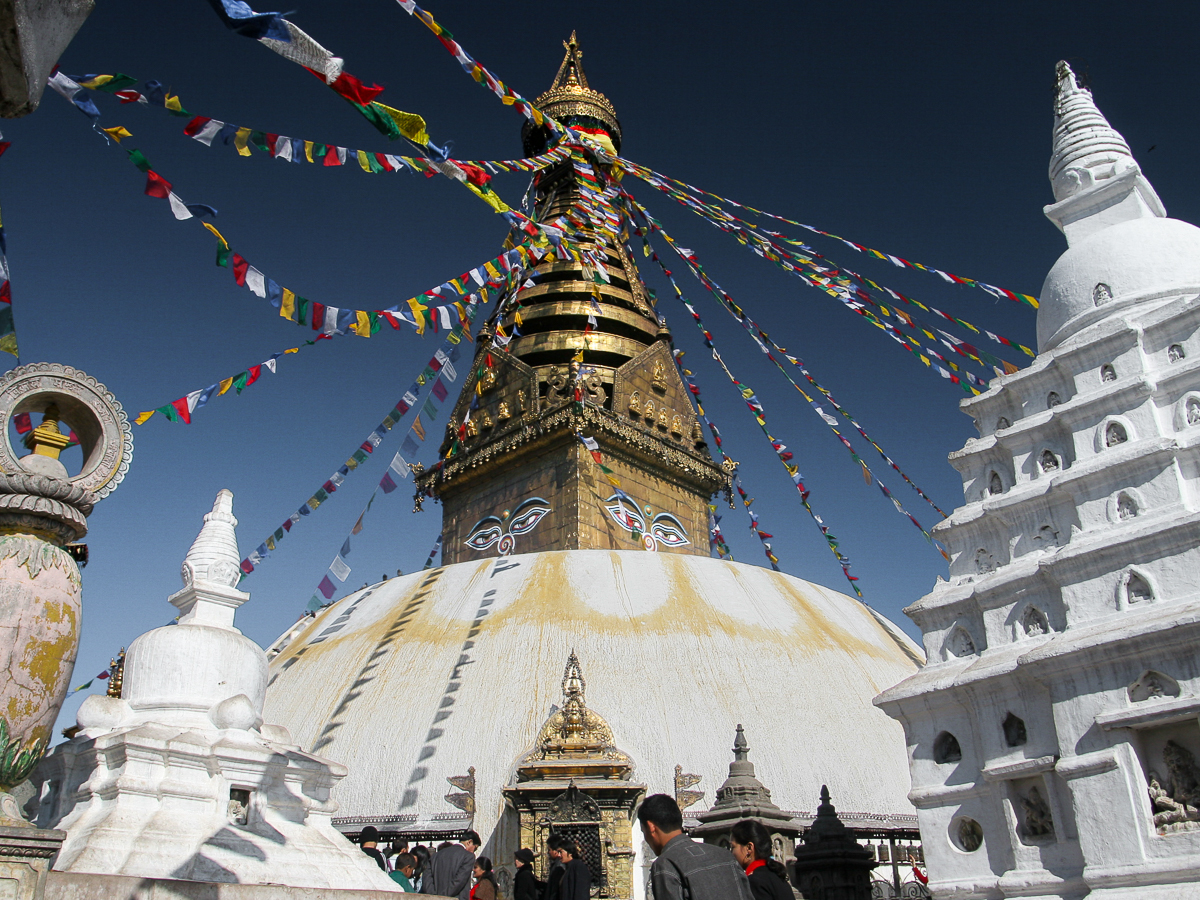
Swayambhunath Stupa is the second-largest stupa in Nepal. It sits atop a hill that was revealed when Bodhisattva Manjushri drained an ancient lake with his wisdom sword to create the Kathmandu Valley.
In 2008, Rinpoche brought 61 fortunate students on a pilgrimage to Kathmandu. The primary purpose of the trip was to create a strong affinity with the female Buddha Vajra Yogini, whose sacred sites (some very well-known and some quite secret and discreet) abound in Nepal. That was the first time Rinpoche shared these sites with his students and revealed these beautiful, hallowed places.
This year, we invite you to follow in Rinpoche’s footsteps to visit the Vajra Yogini power places in the Kathmandu Valley. Since we aspire to one day receive her initiation, this pilgrimage will help us connect with her energy, plant the seeds of her blessings, and build the affinity needed to meet her, receive her practice, and ultimately ascend to her pure realm — Kechara Paradise. On this trip, we will also visit Lumbini, Buddha’s birthplace, to offer heartfelt prayers and aspirations.
We hope you will join us on this rare and unusual pilgrimage and have the great fortune to visit the amazing temples and shrines of Vajra Yogini, the Universal Queen, the Queen of Queens.
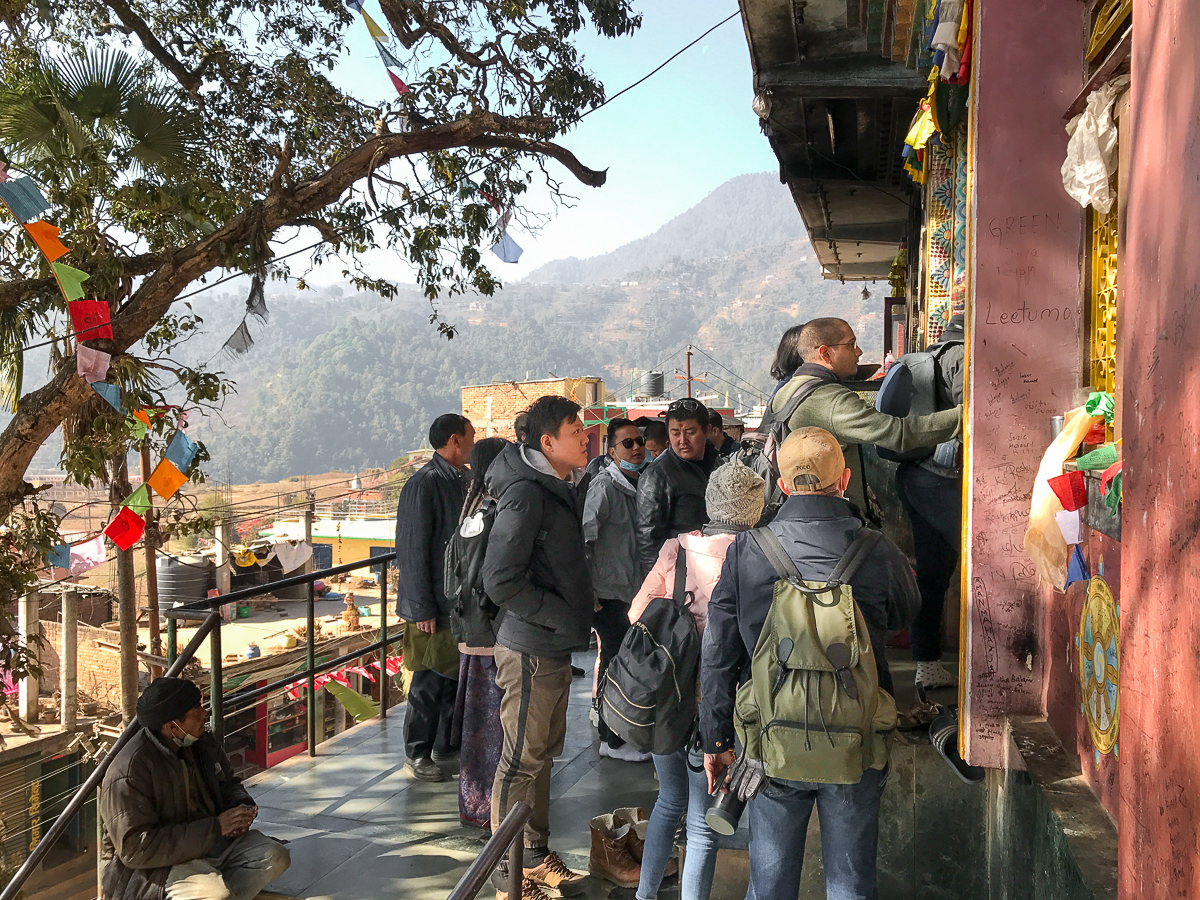
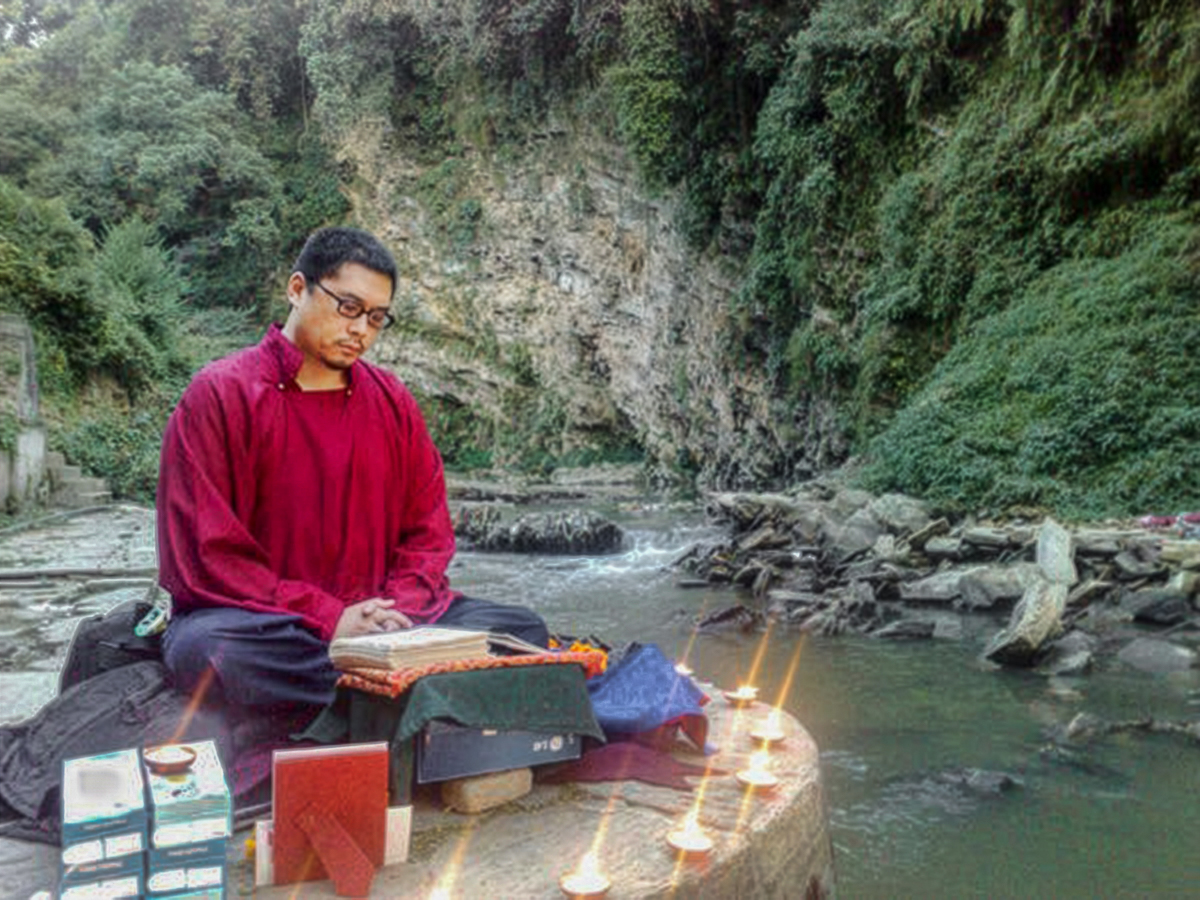
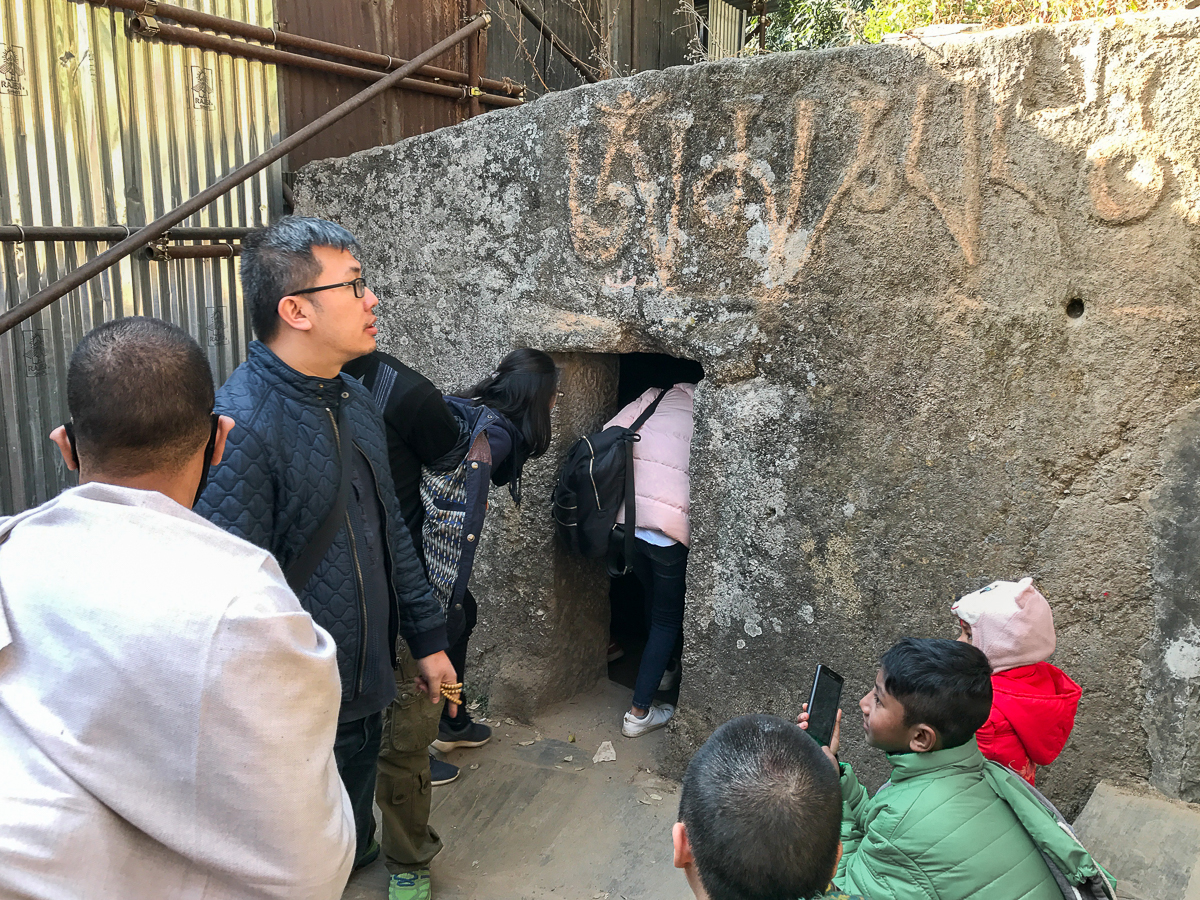
Tsem Rinpoche at Naropa’s Cave.
A Message from H.E. Tsem Rinpoche
Vajra Yogini’s lineage has a special connection to Nepal, where her practice was very established and wide-spread in the past. As an indication of the prevalence of her practice, there are four very special and rare Vajra Yogini holy places in the Kathmandu Valley – Sangkhu, Patan, Vijashwari, and Pharping. These are the four main places where Vajra Yogini holy temples have existed for many years. Although these temples were built and maintained in a traditional Nepalese style, what is so beautiful about them is that pilgrims can still see that the sacred images held within are clearly that of Vajra Yogini.
Today, thousands of pilgrims continue to visit these sites to pay homage to Vajra Yogini. For the last 20 years, I have been taking my students there to make offerings and aspirational prayers, and to sometimes pass oral transmissions in her holy presence.
My hope is that I can encourage more people to visit these holy sites, meet their respective Lamas, receive the correct empowerment of Vajra Yogini and engage in sacred retreats and daily practice so that they may attain Vajra Yogini’s level of attainments. In other words, it is my hope that I can encourage more people towards attaining Buddhahood.
Therefore, I offer my sincere prayers that many people will continue to visit these holy places and as a result, many holy Vajra Yogini sites will arise around the world. May Vajra Yogini’s practice grow, become stronger, and may many beings reach enlightenment through her path.
Good luck, many prayers and my heartfelt wishes.
Tsem Rinpoche November 2009, Kuala Lumpur
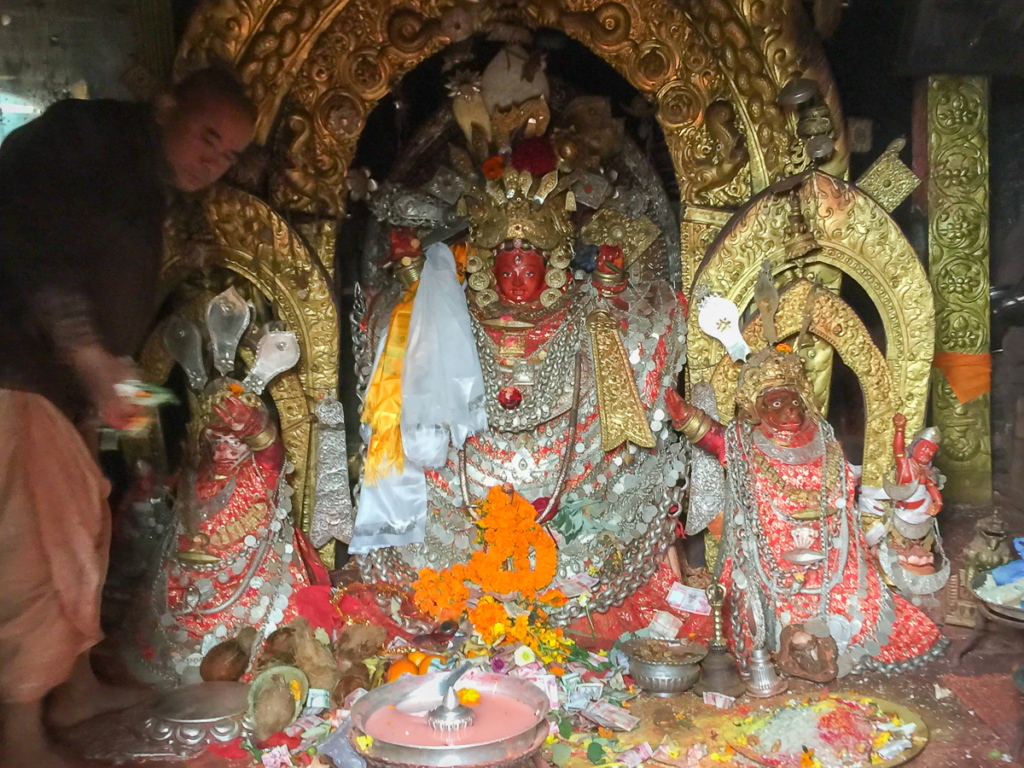
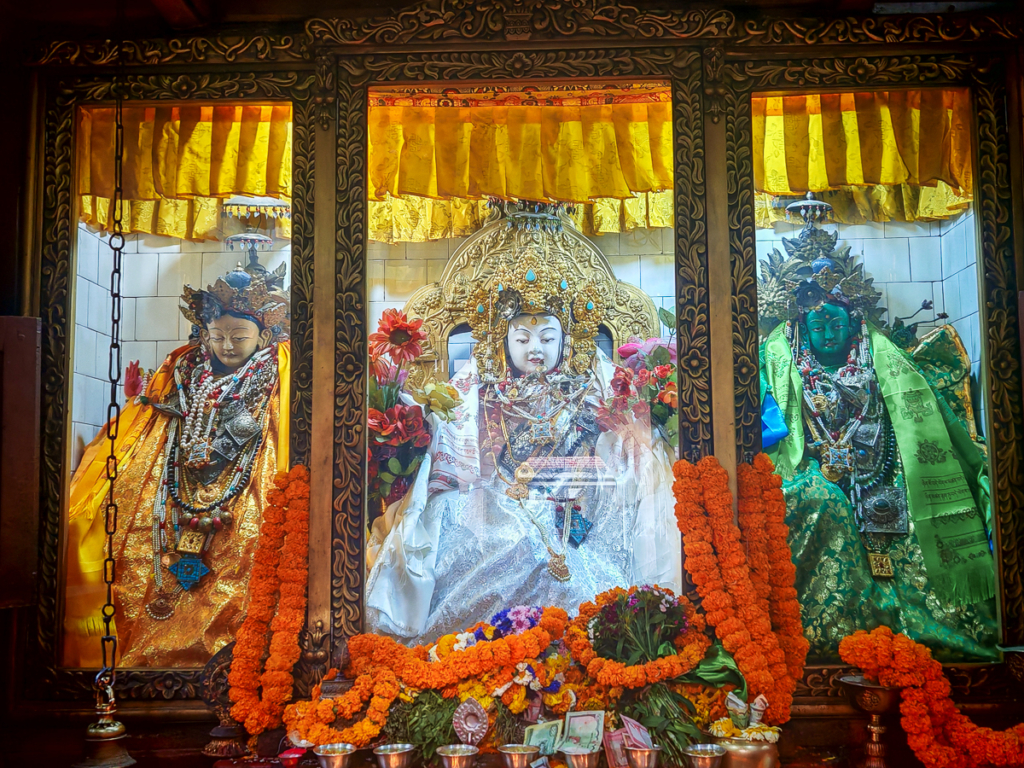
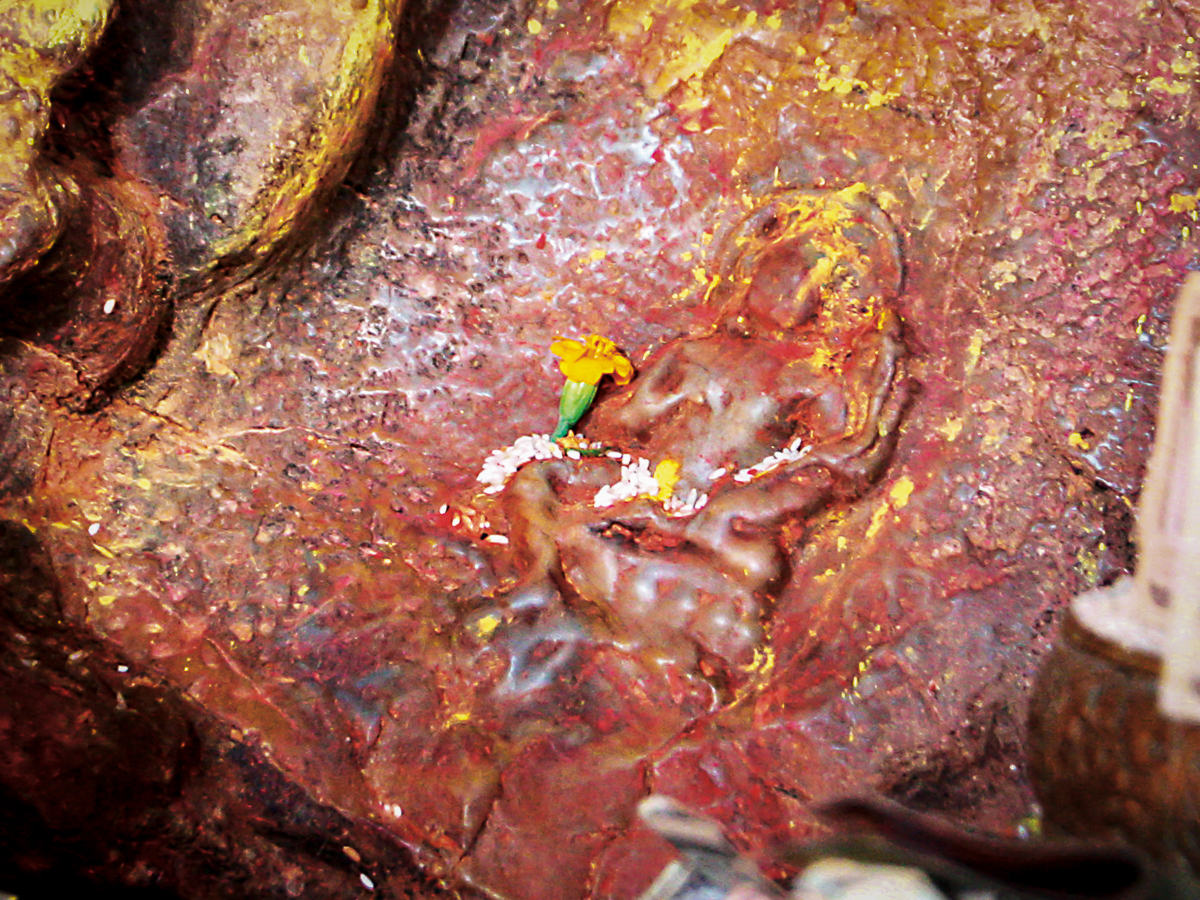
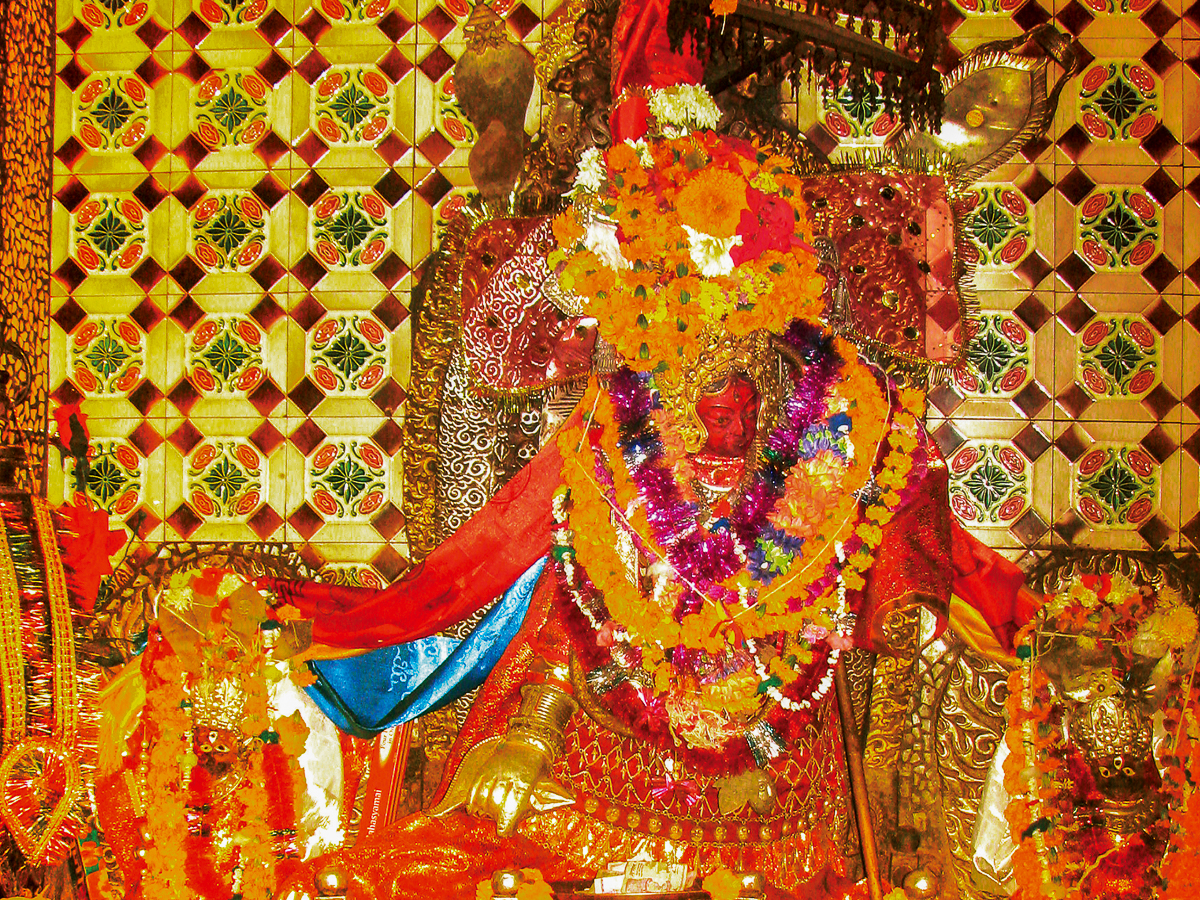
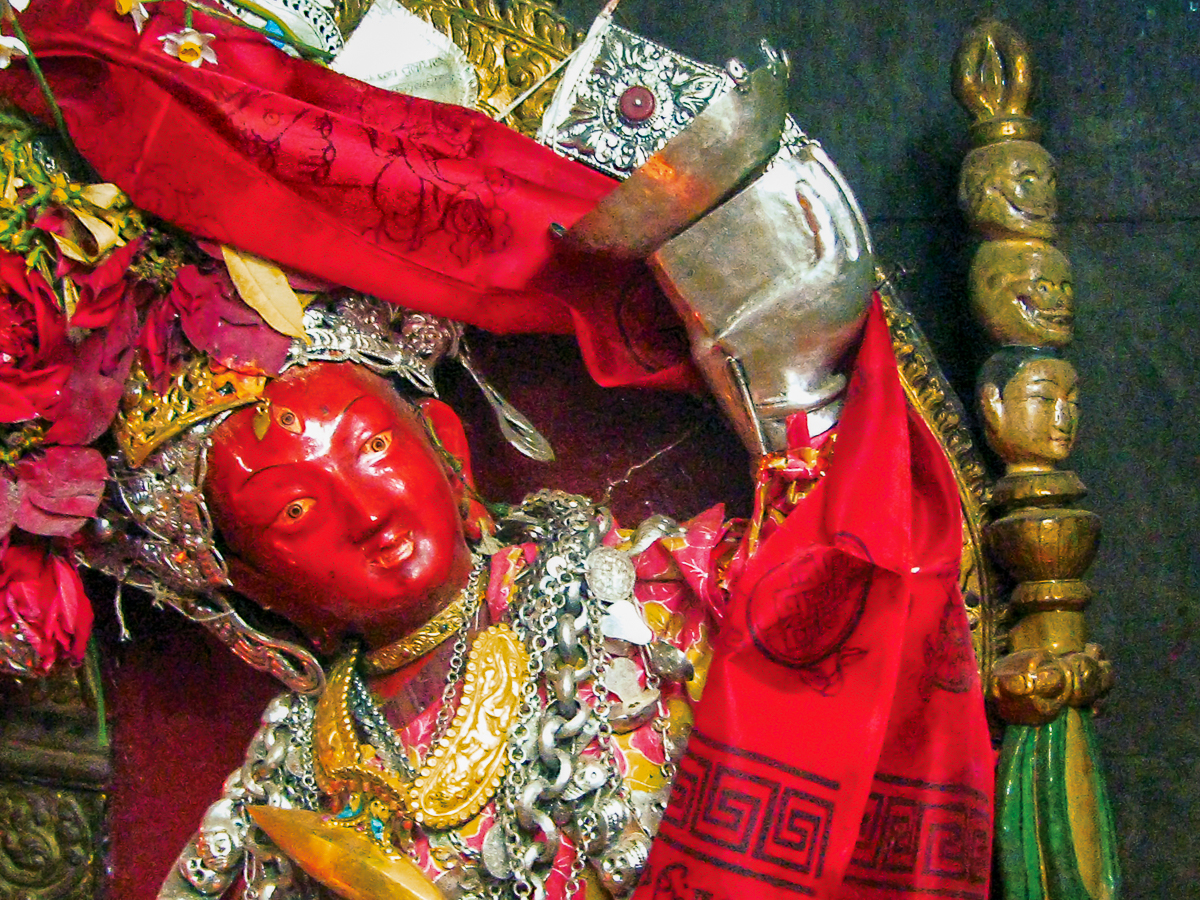
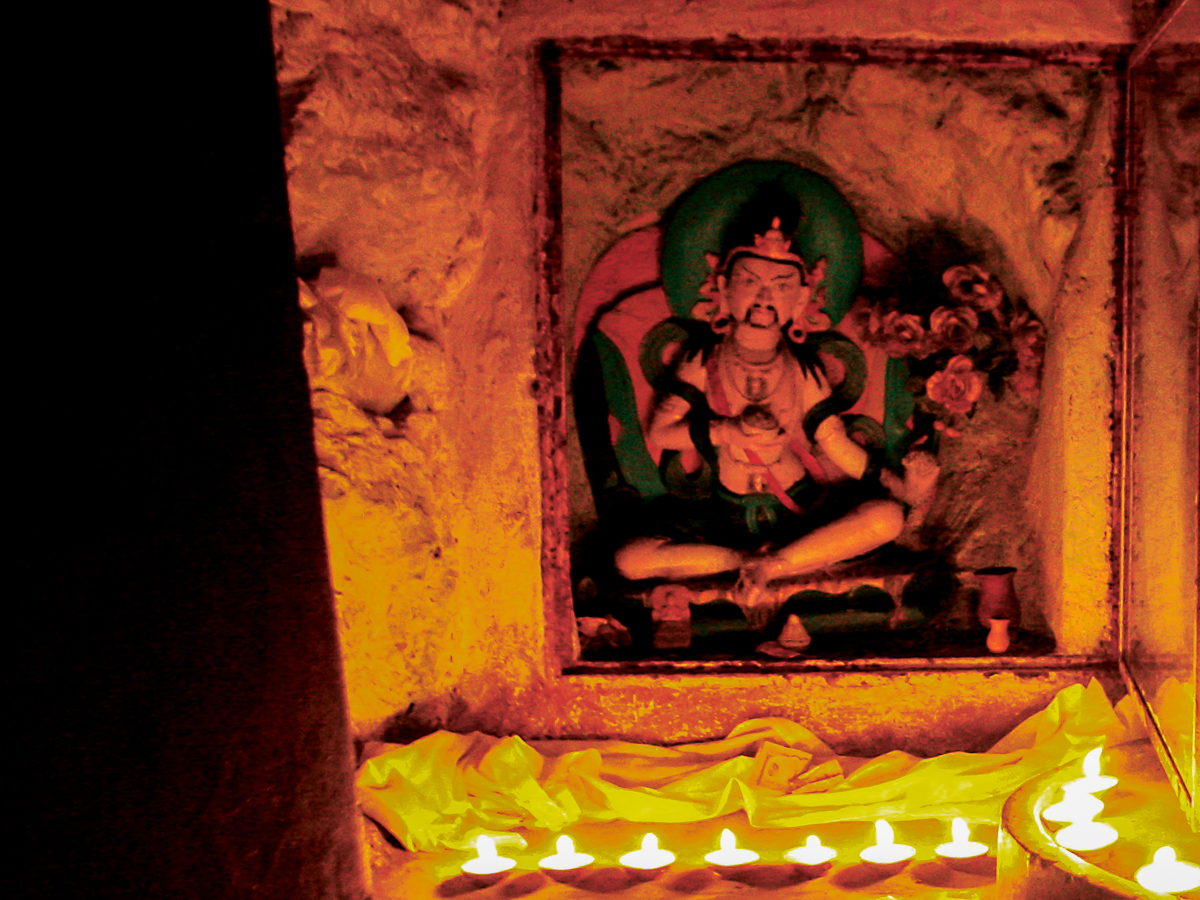
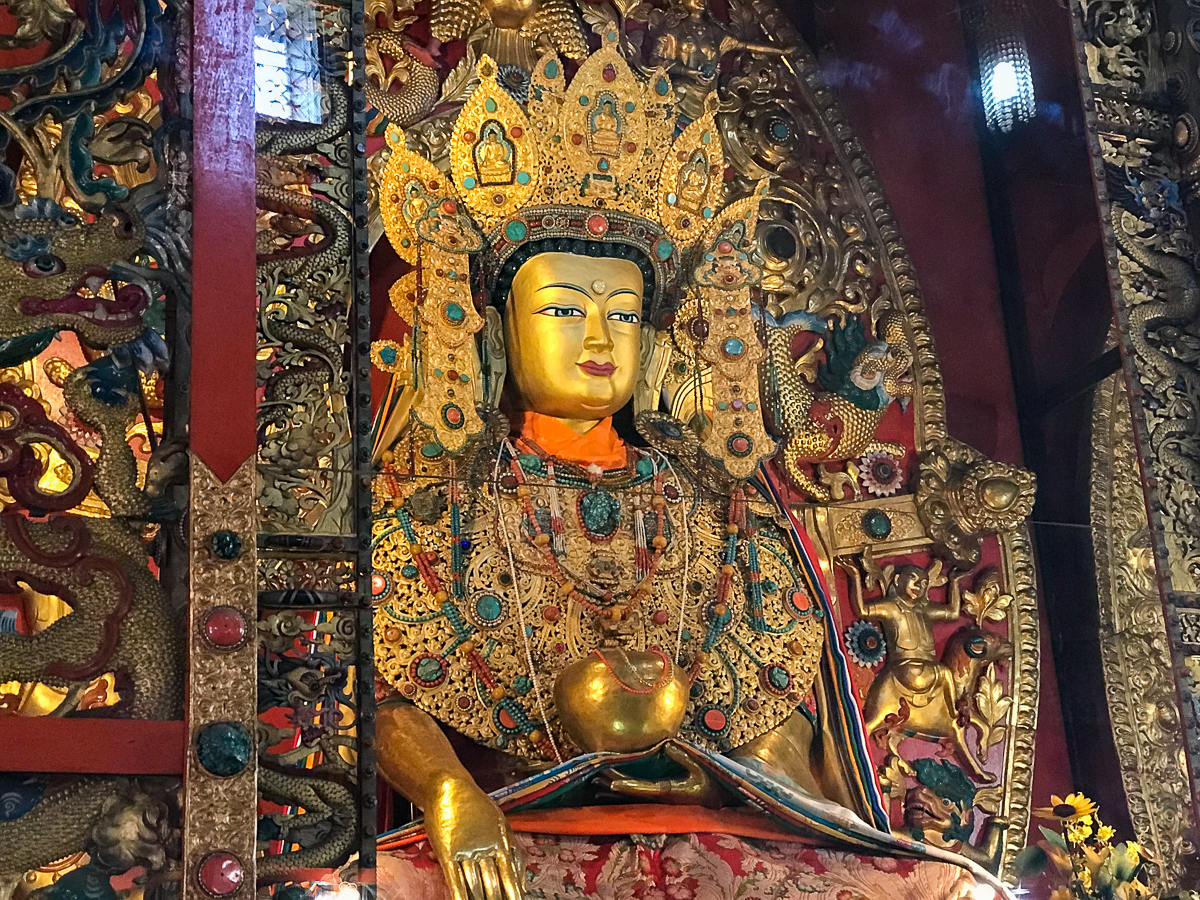
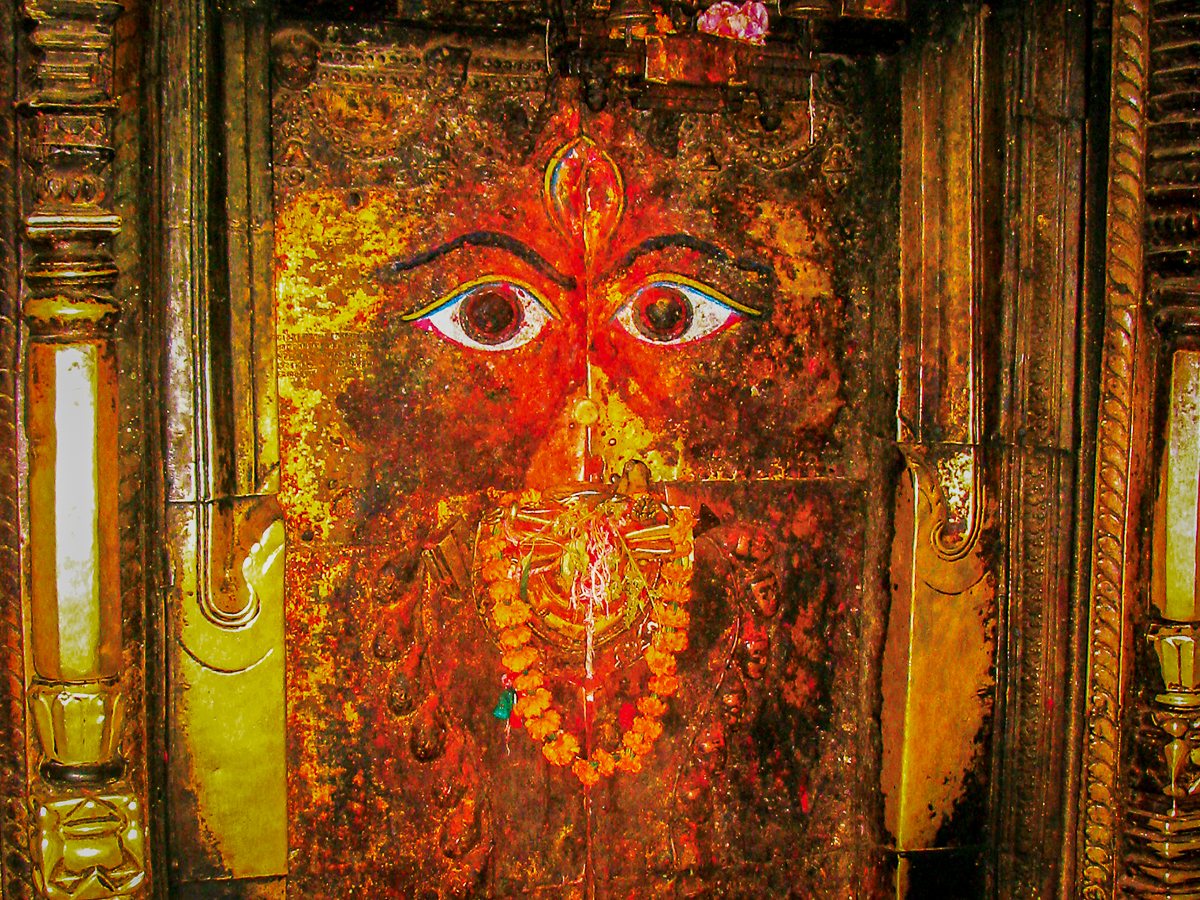
A sacred Vajra Yogini image hidden within a side chapel in Sangkhu Temple.
Key Pilgrimage Sites in Nepal
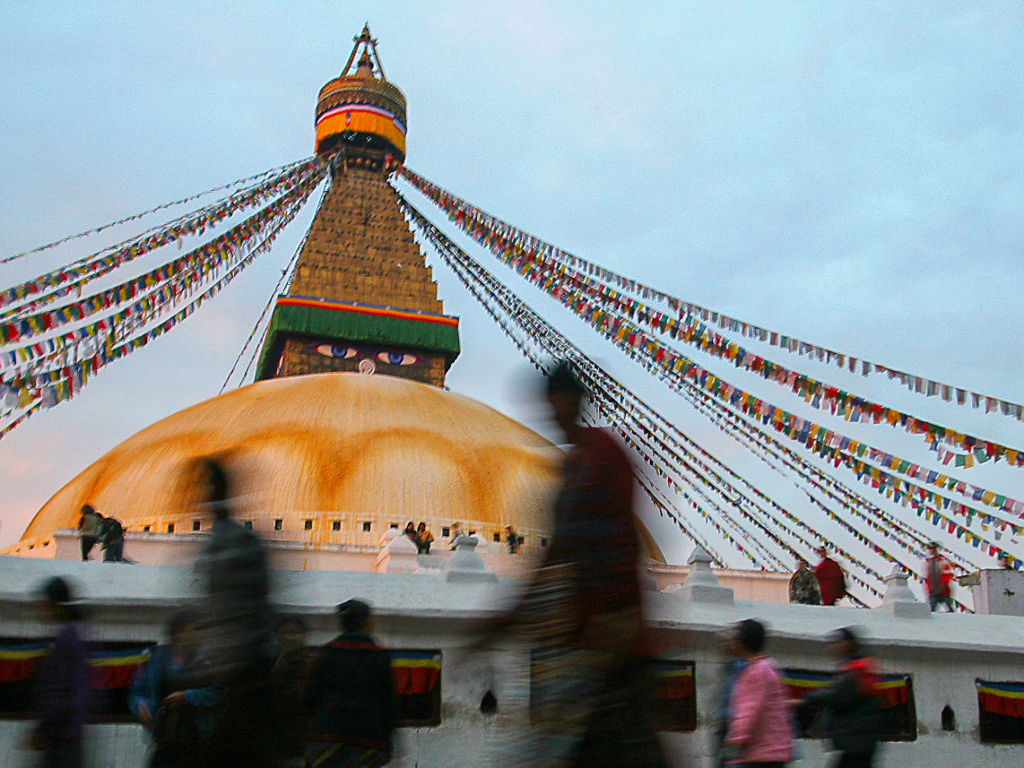
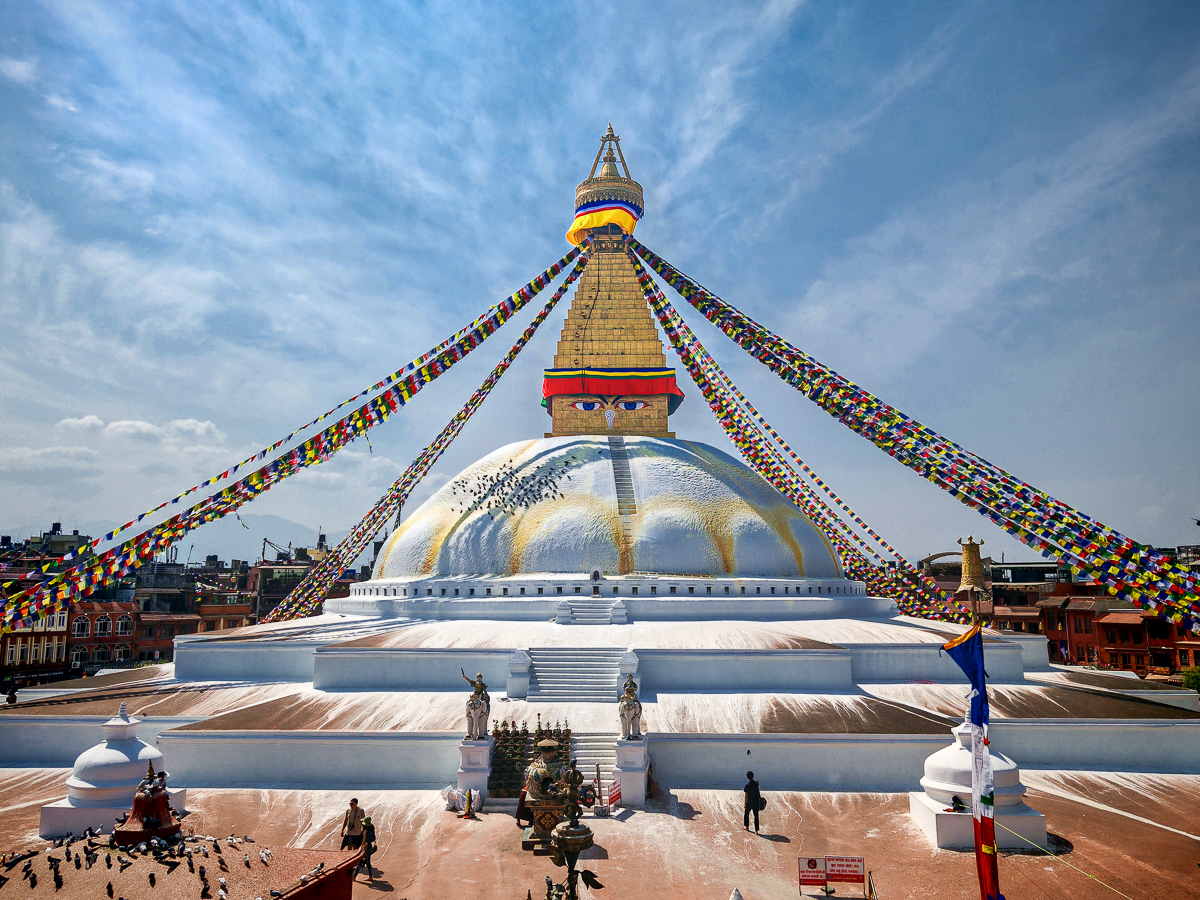
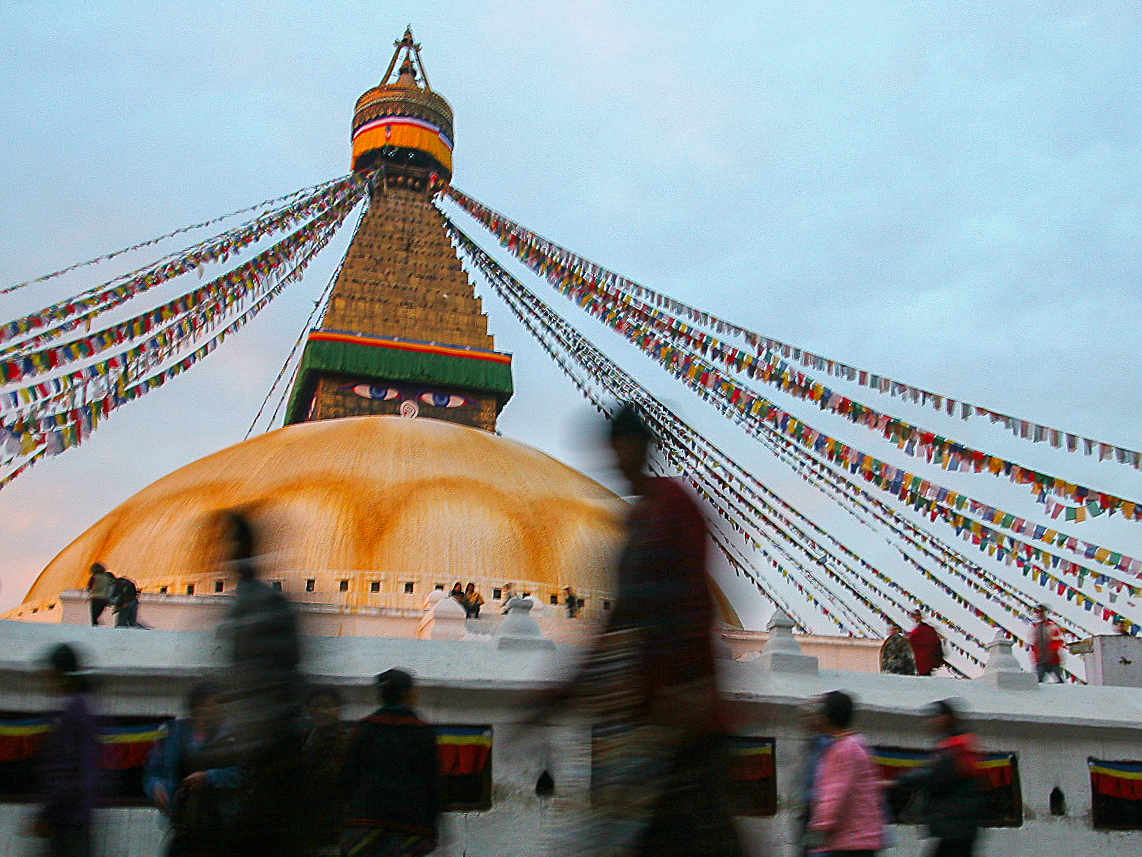
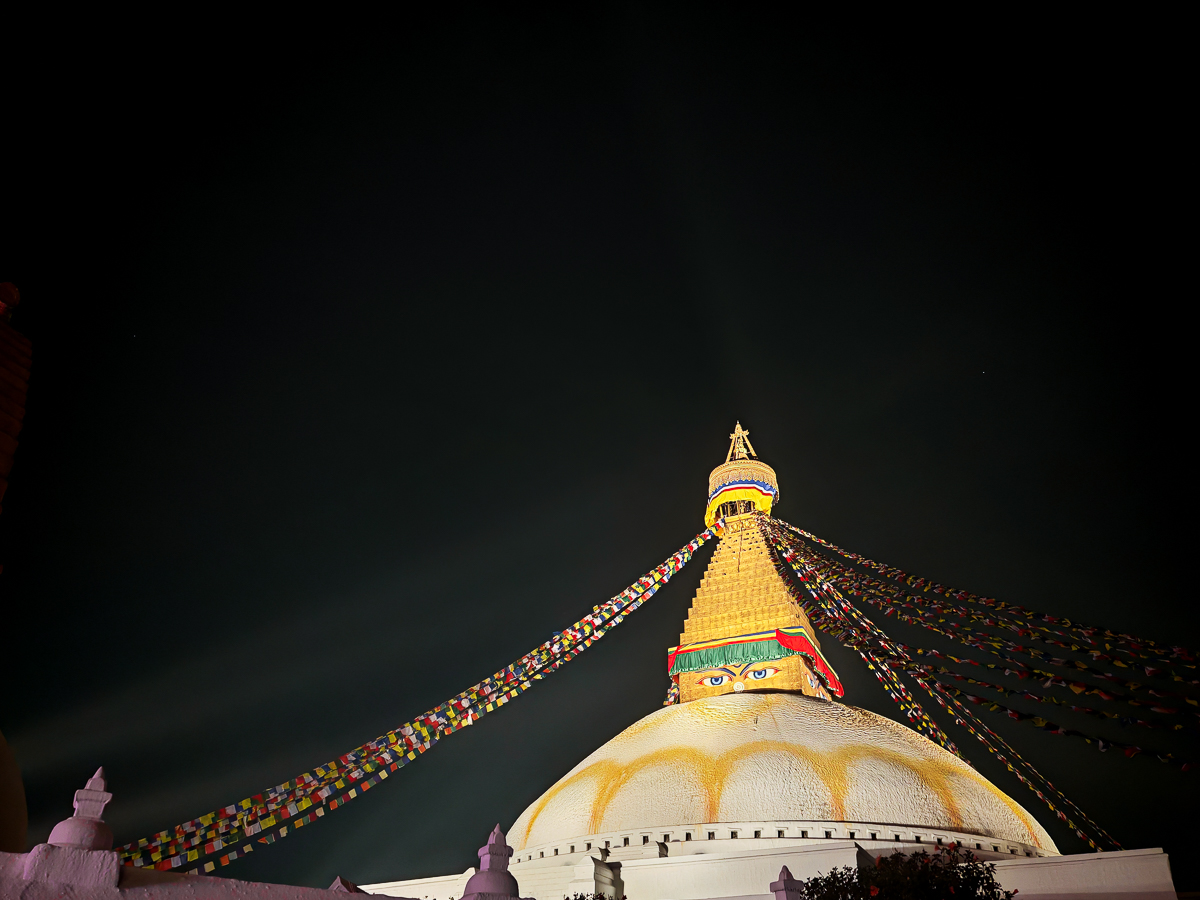
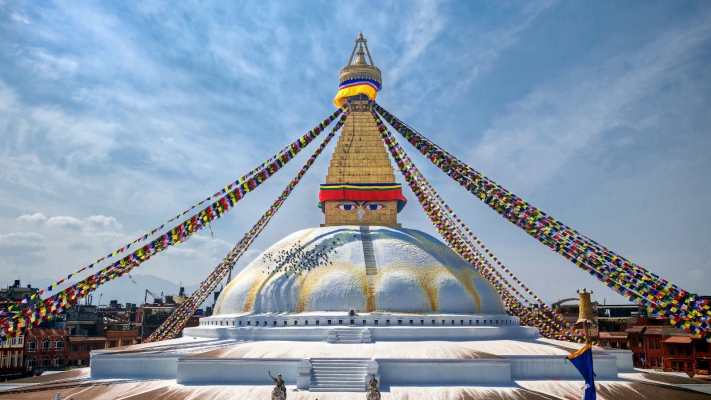
Boudhanath Stupa is one of the largest stupas in the world and a UNESCO World Heritage Site. According to traditional sources, it was built in the 5th century CE and enshrines the relics of Buddha Shakyamuni and the previous Buddha Kashyapa.
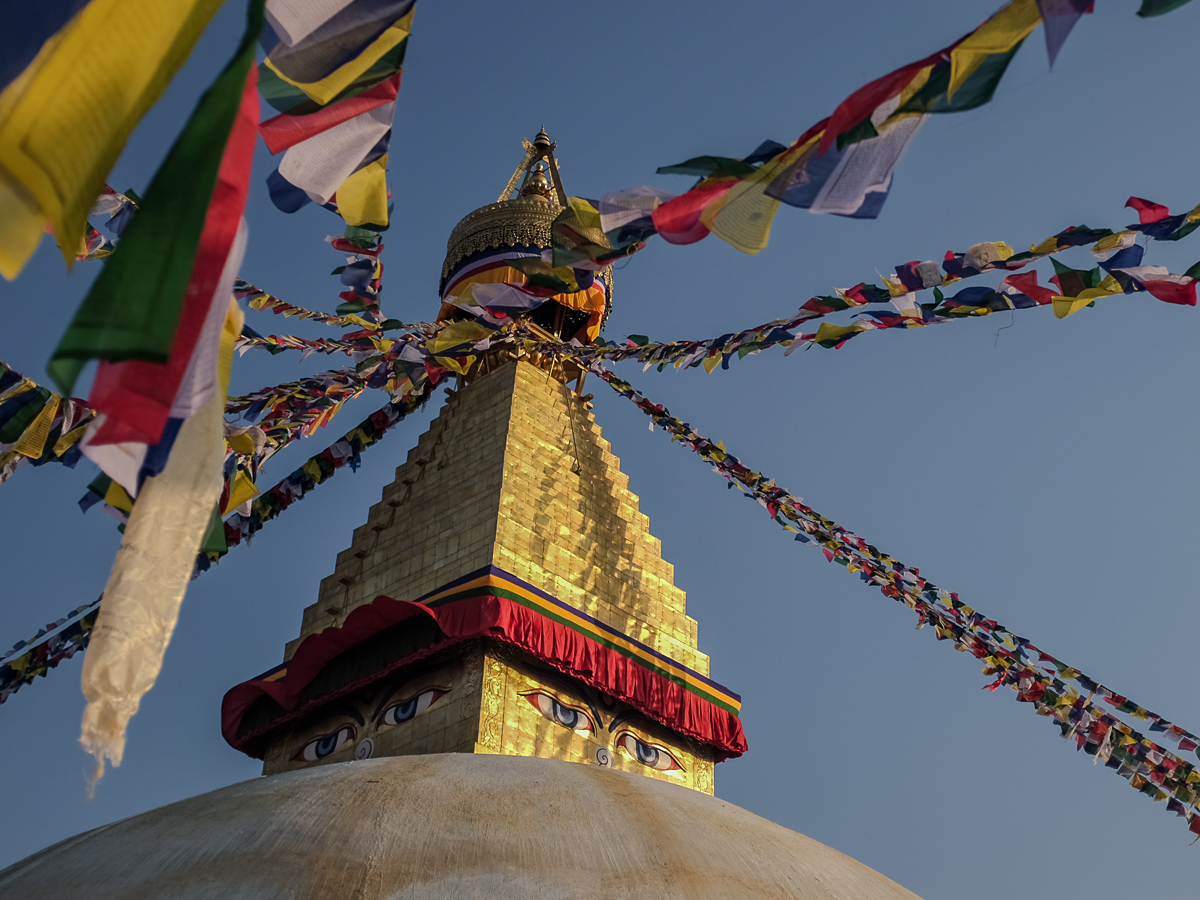
Swayambhunath Stupa is the second-largest stupa in Nepal. It stands atop a hill, which is said to have been revealed when Bodhisattva Manjushri drained an ancient lake with his fiery wisdom sword to create the Kathmandu Valley. The sacred hill is also the location of Manjushri’s Teaching Site — where Manjushri appears once a year to give profound teachings to celestial beings.
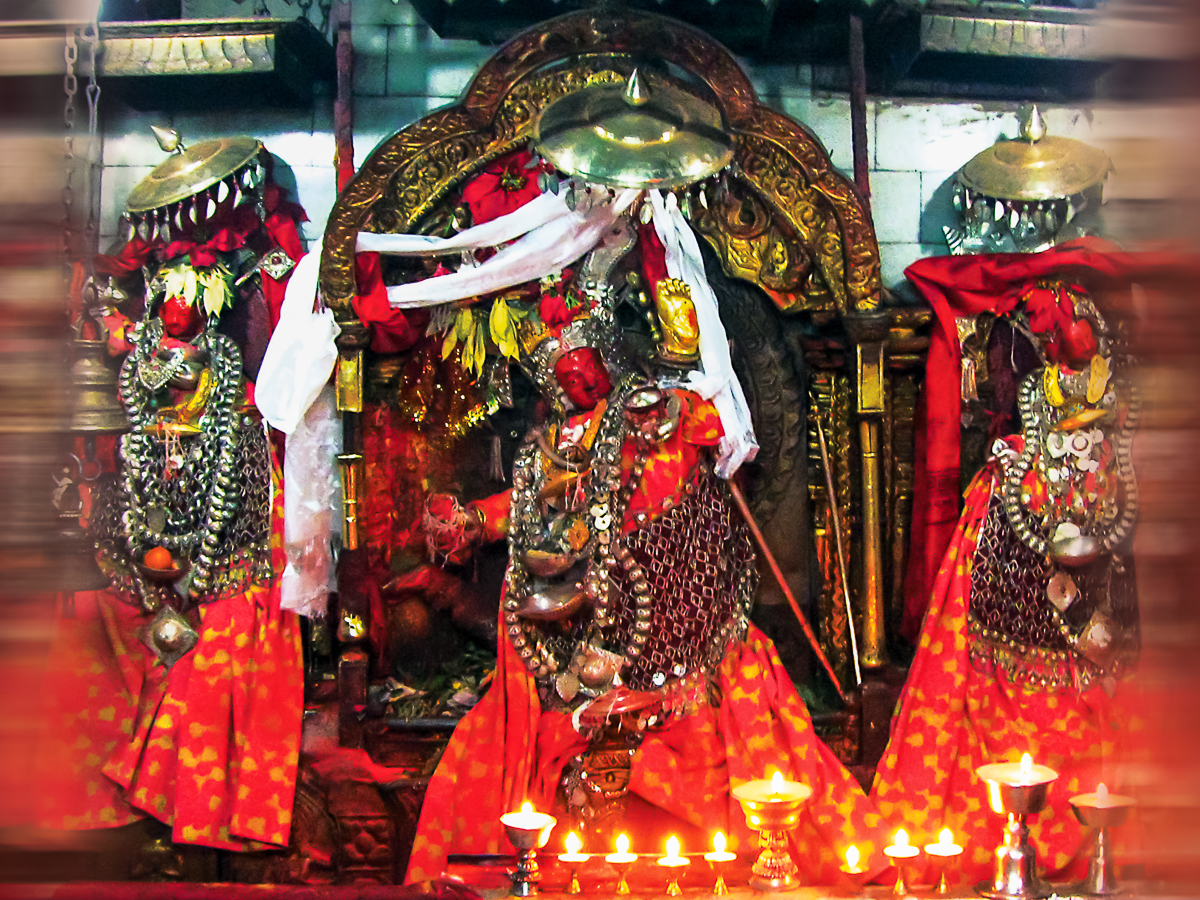
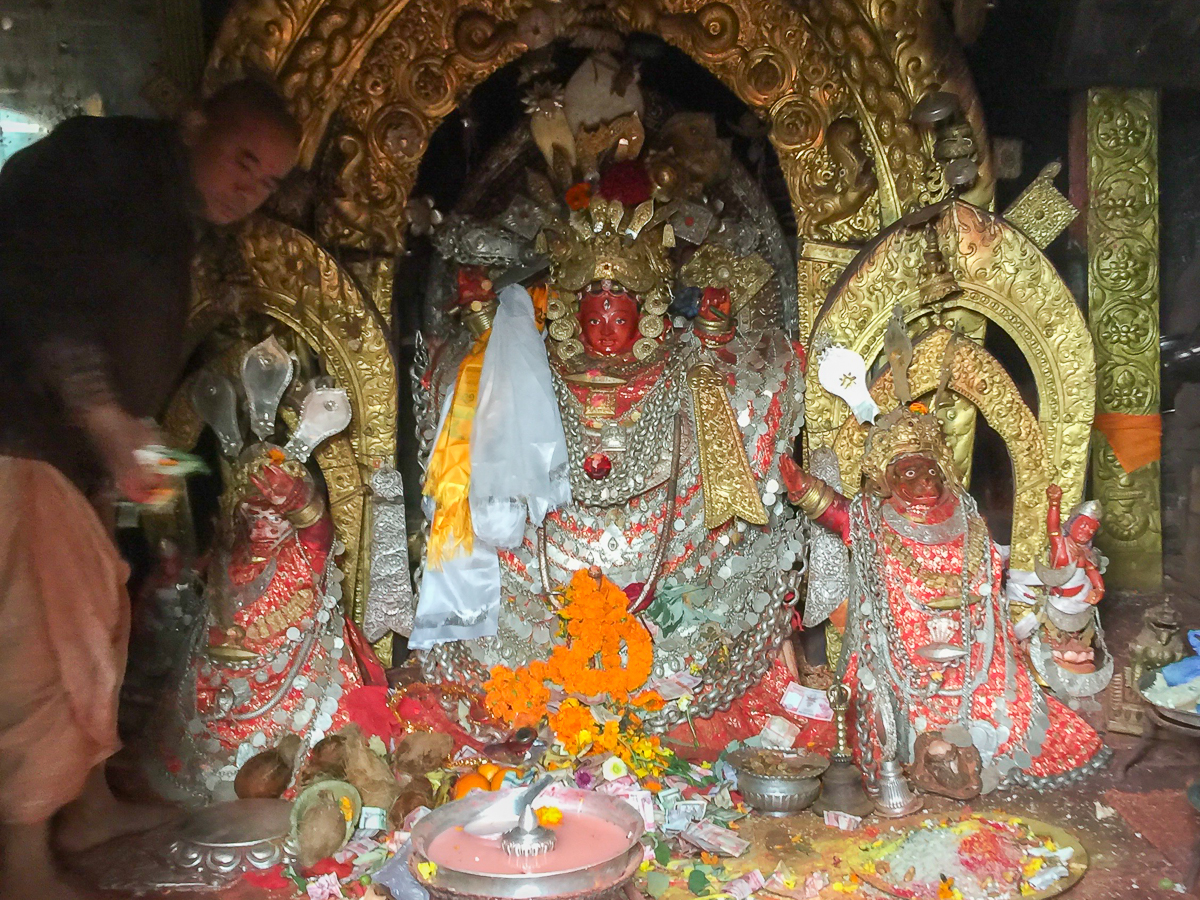
Vijashwari Vajra Yogini Temple is built directly on the site of a powerful ancient cremation ground, described in the Vajra Varahi tantras as the site where Citipati resides. The main shrine houses four forms of Vajra Yogini — Flying Vajra Yogini, Maitri Kachö Vajra Yogini, Vajra Varahi and Naro Kachö Vajra Yogini.
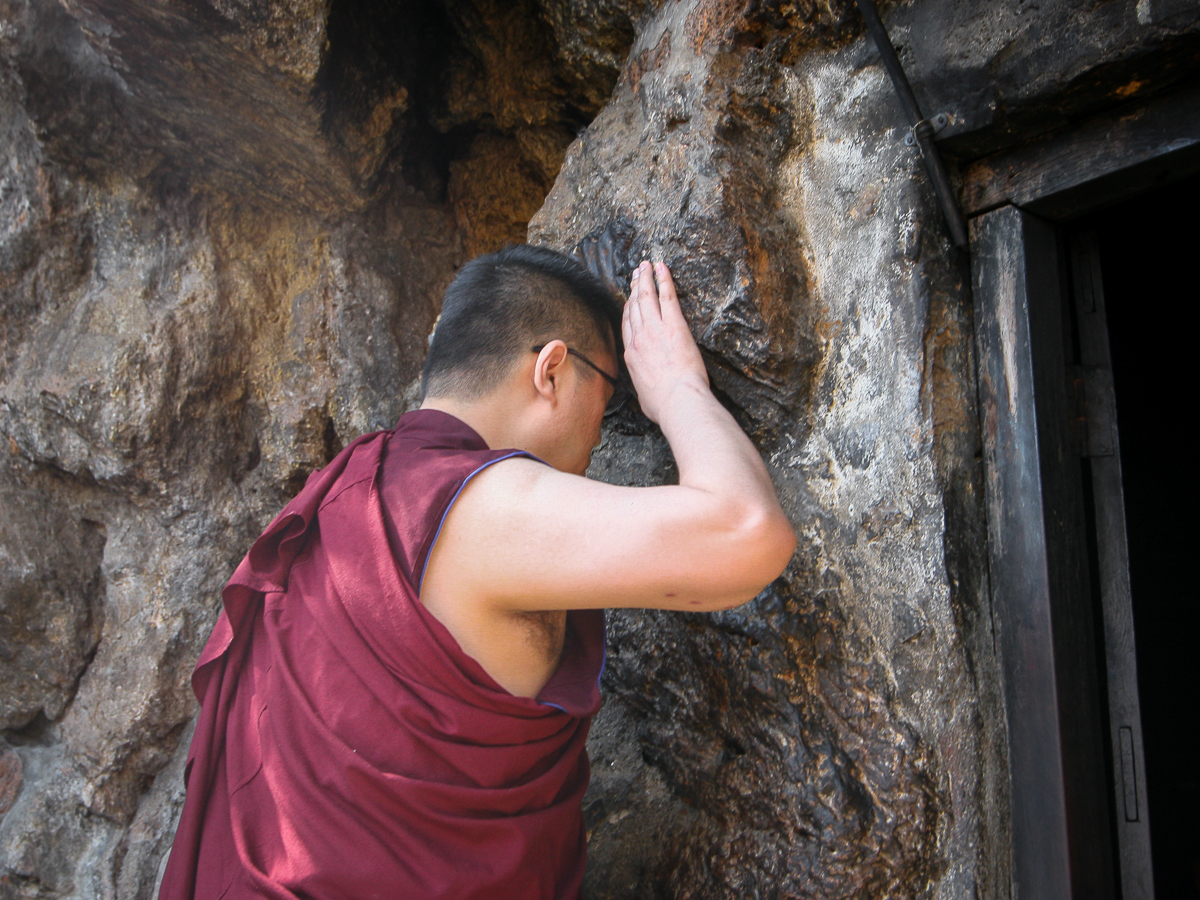
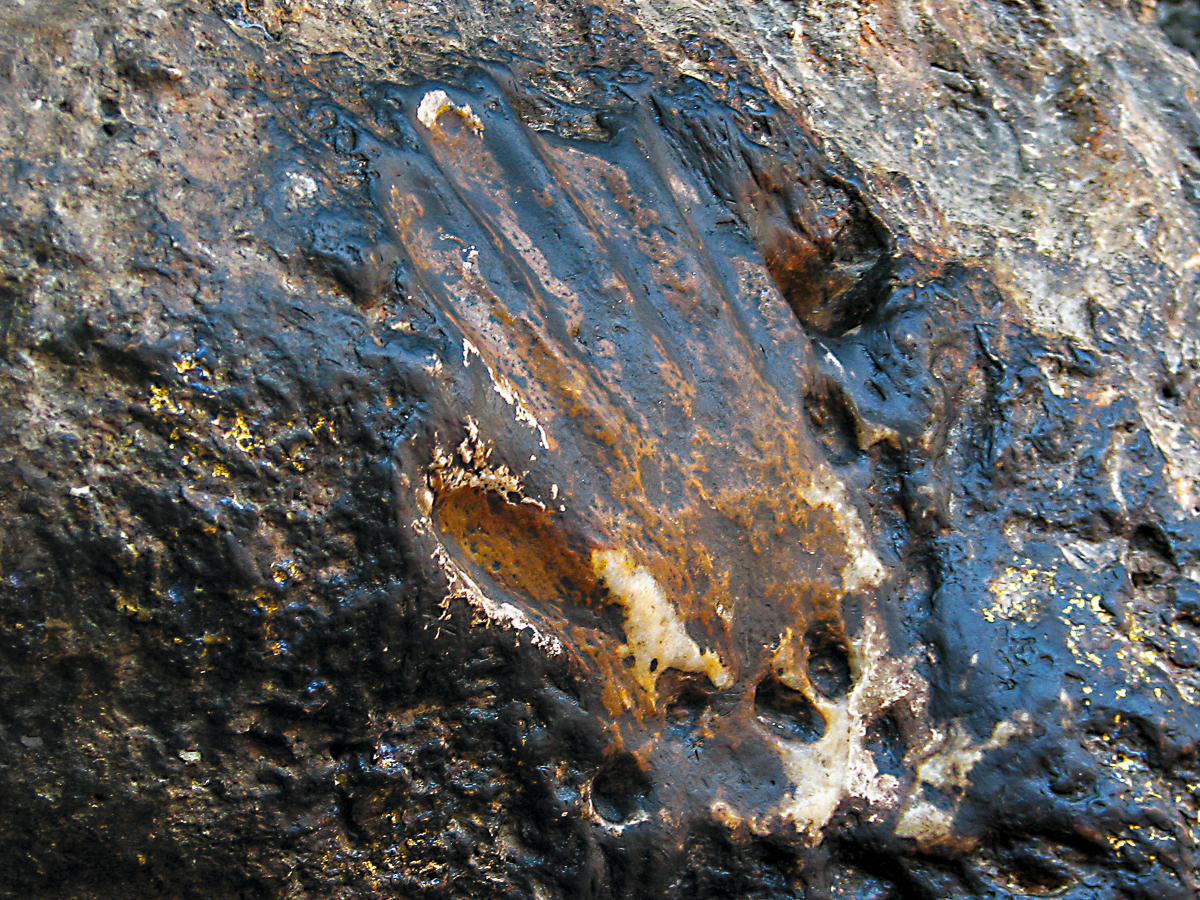
Pharping Vajra Yogini Temple is synonymous with the Phamtingpa brothers, who were initiated into Vajra Yogini’s practice by the great Mahasiddha Naropa. It is believed that the brothers came from this area, where they received and mastered the practice, thus becoming two of the earliest lineage holders of Naro Kachö Vajra Yogini. Located close by is a Self-Arising Tara Chapel and Guru Rinpoche’s meditation cave and holy handprint.
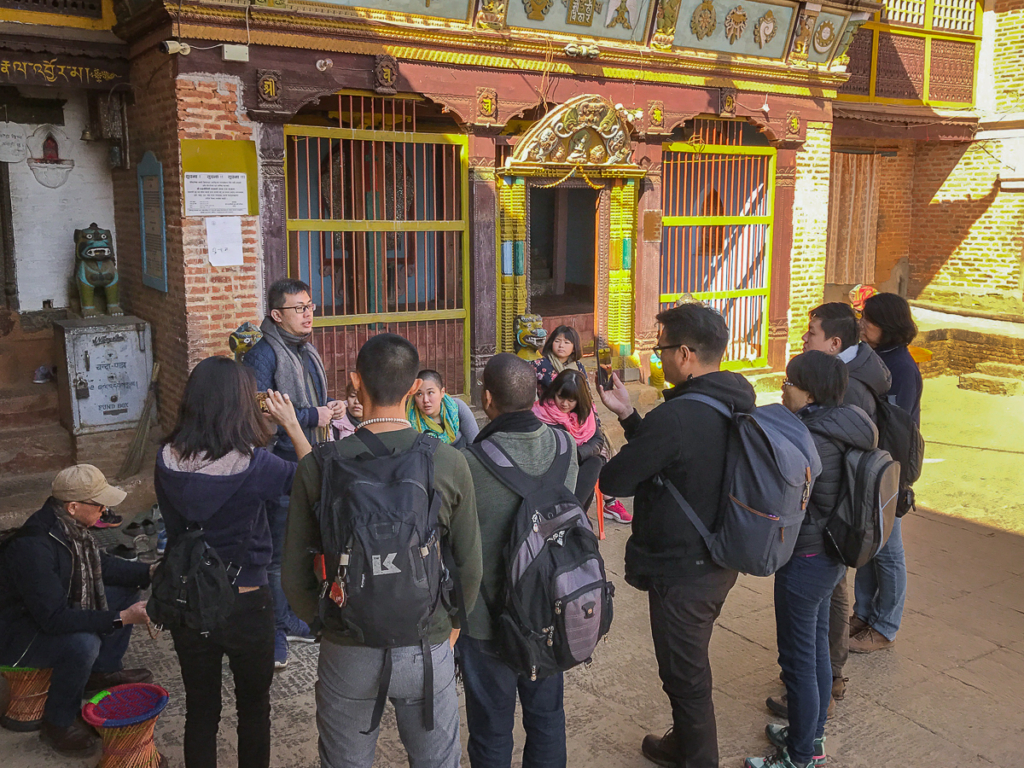
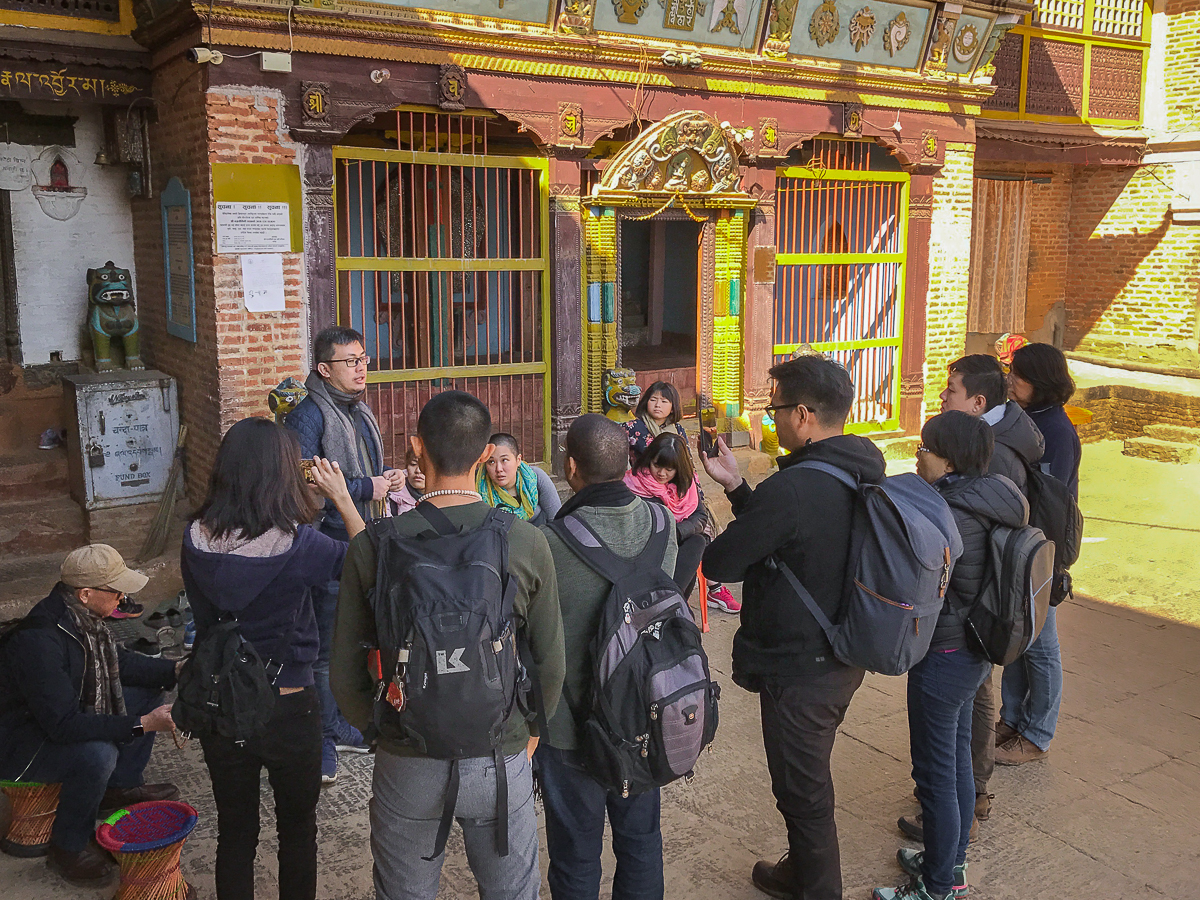
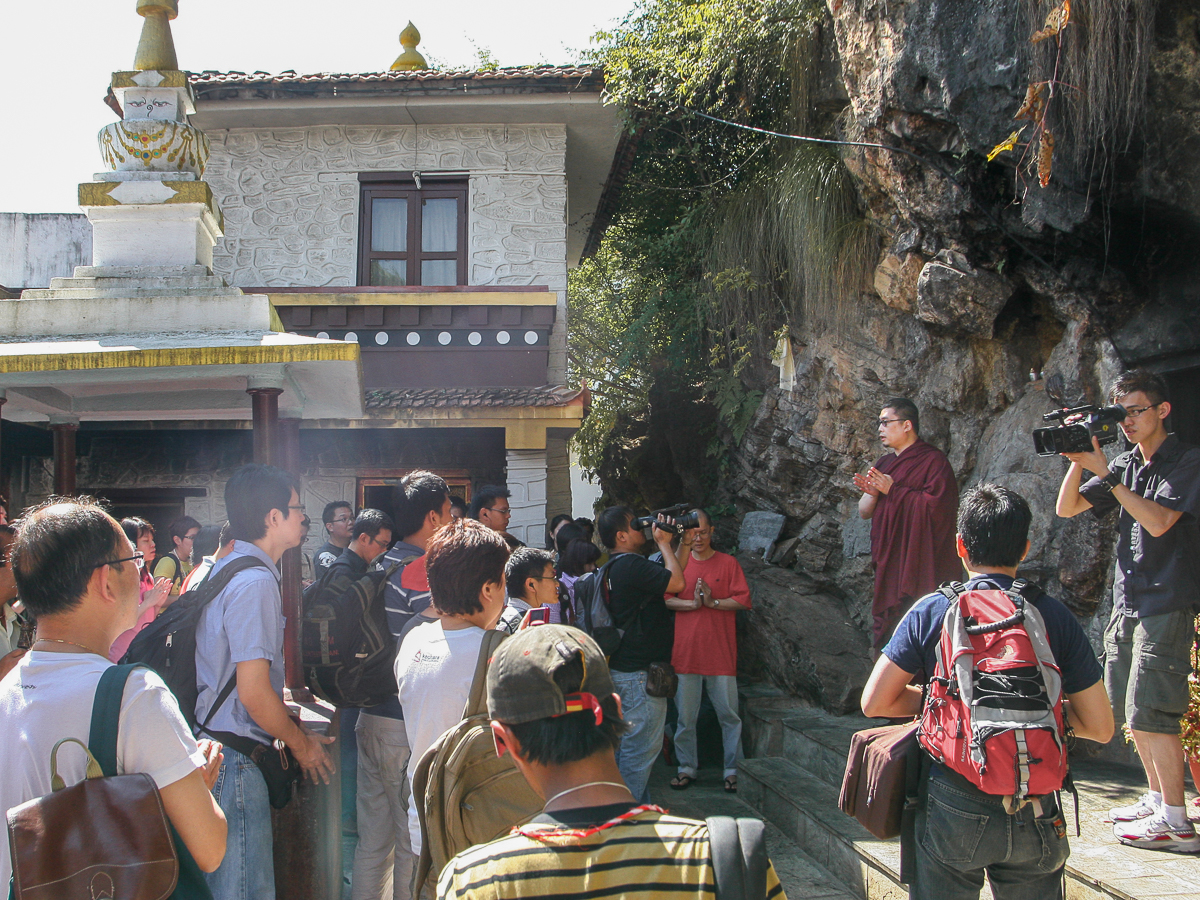
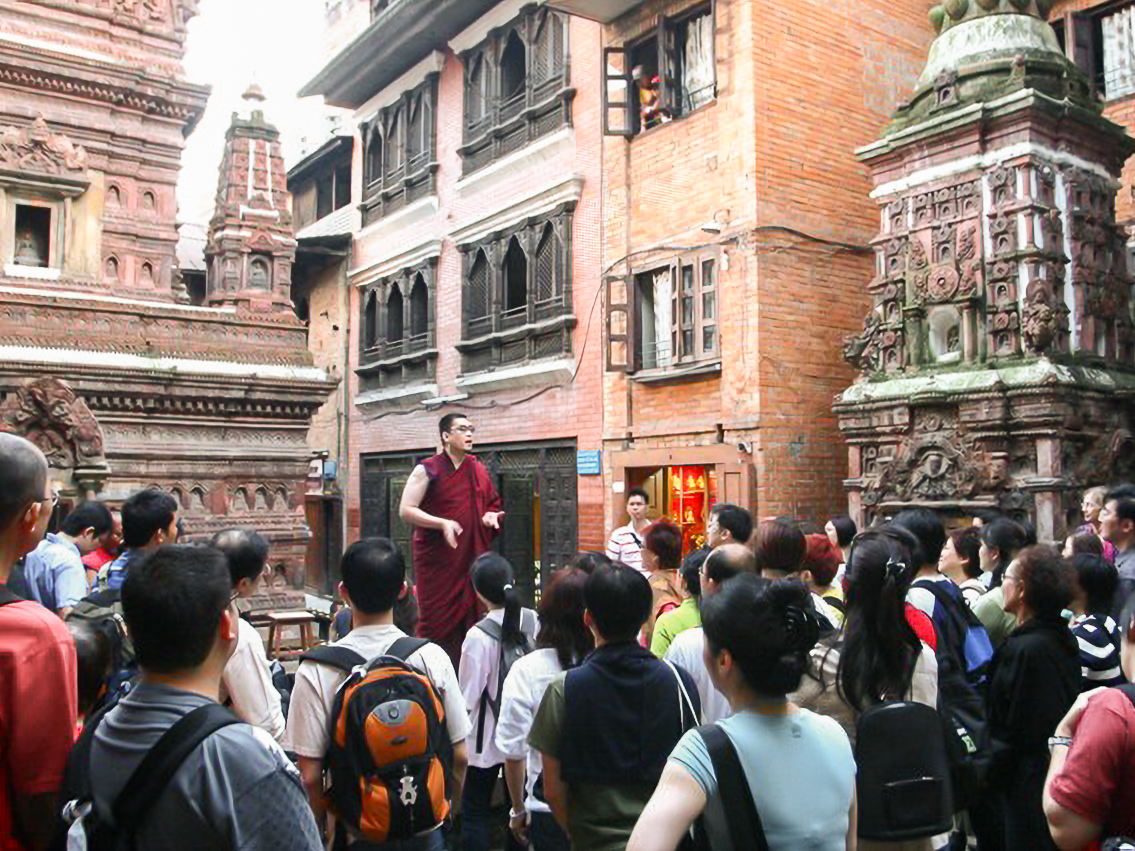
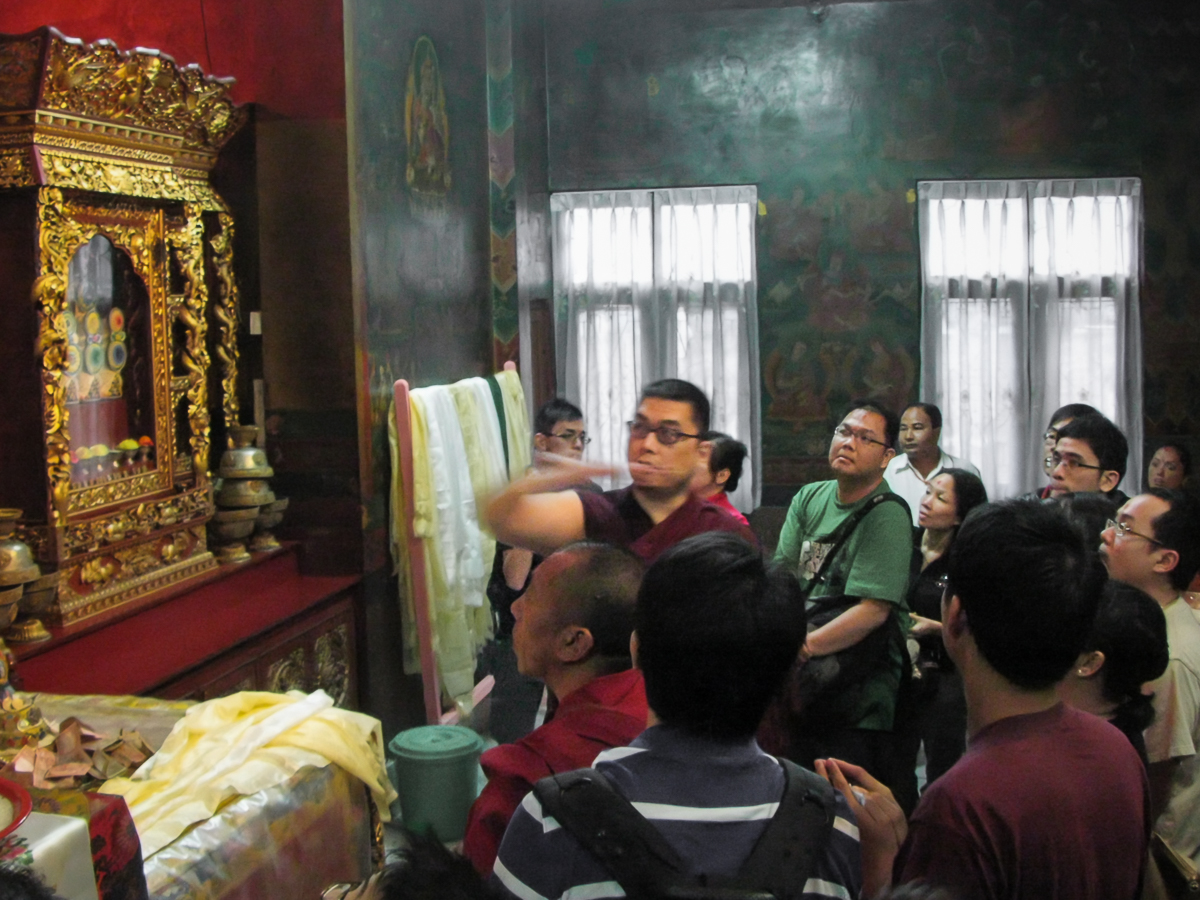
Pastor David explains the significance of visiting the holy Vajra Yogini Temple at Pharping.
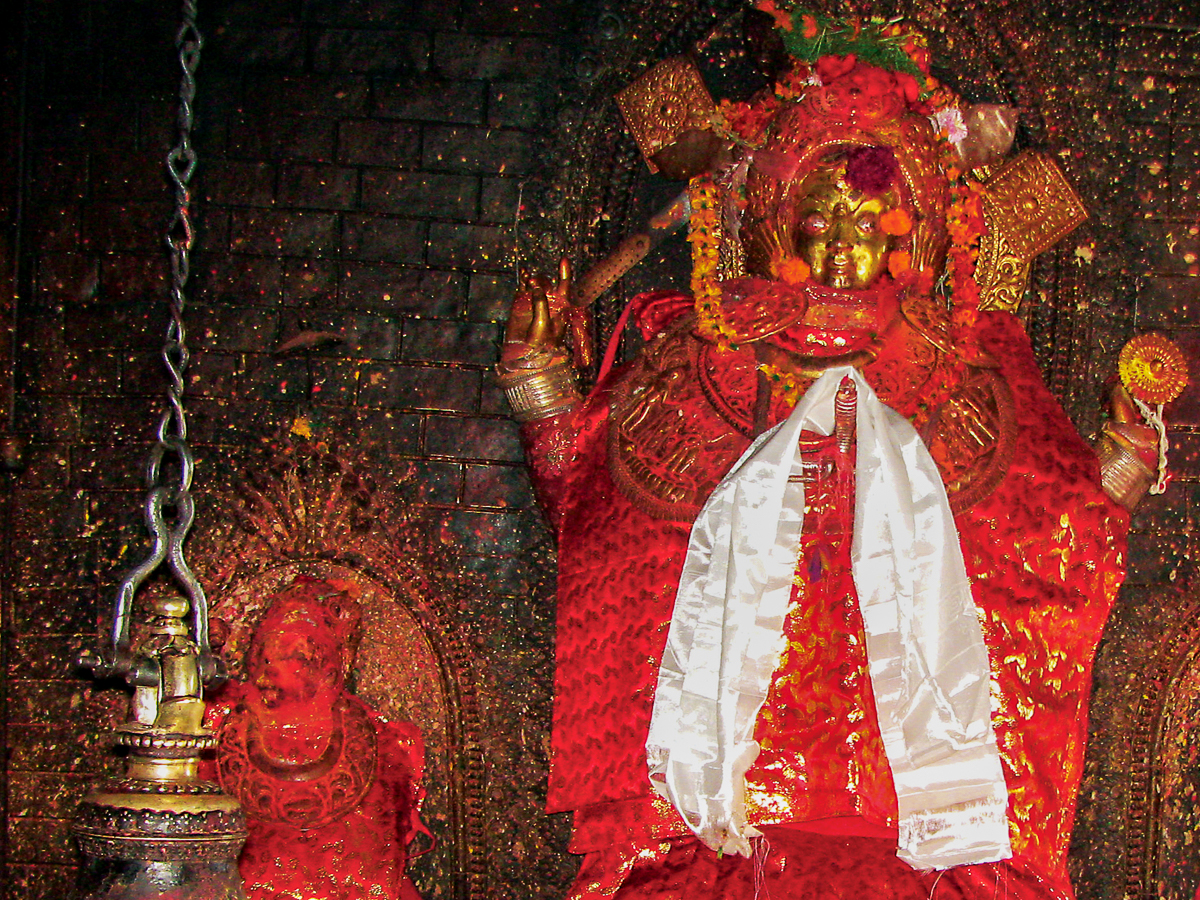
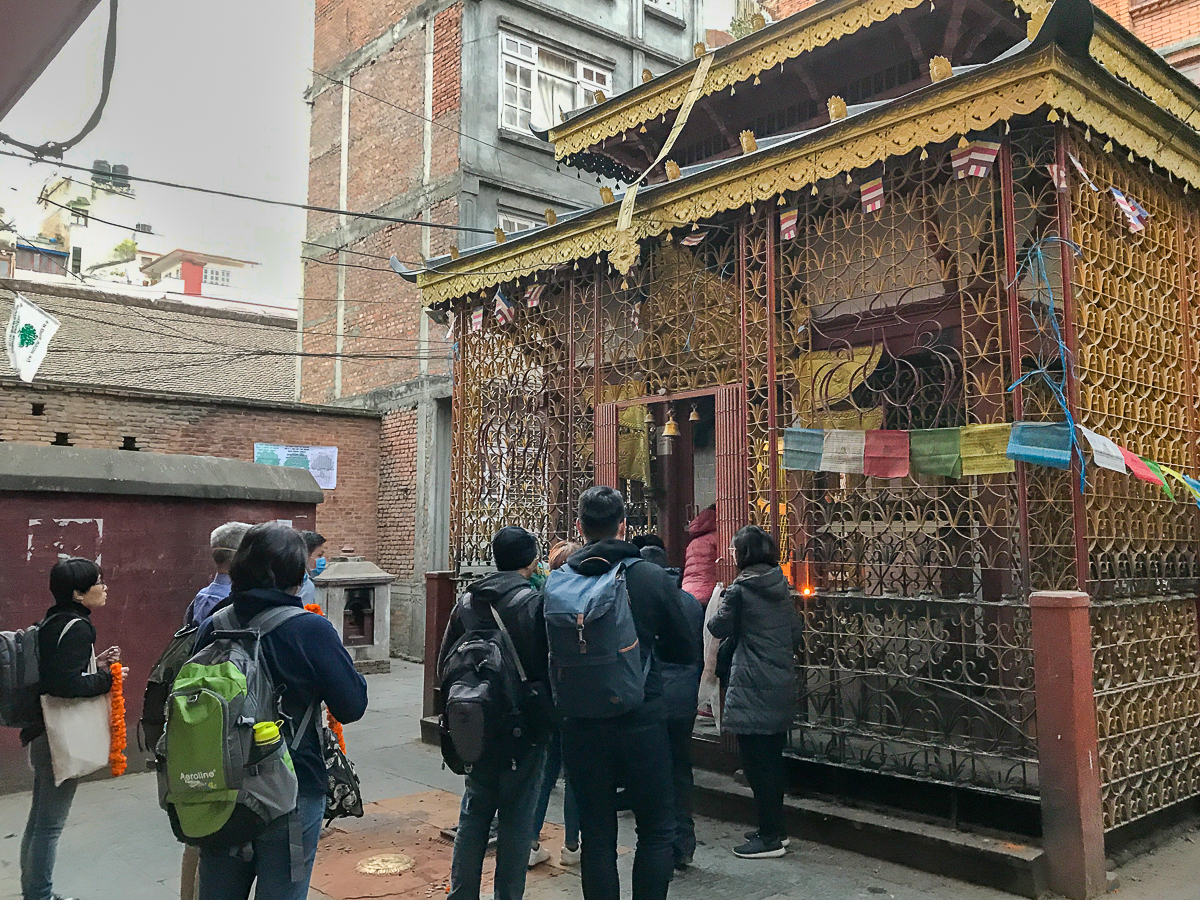
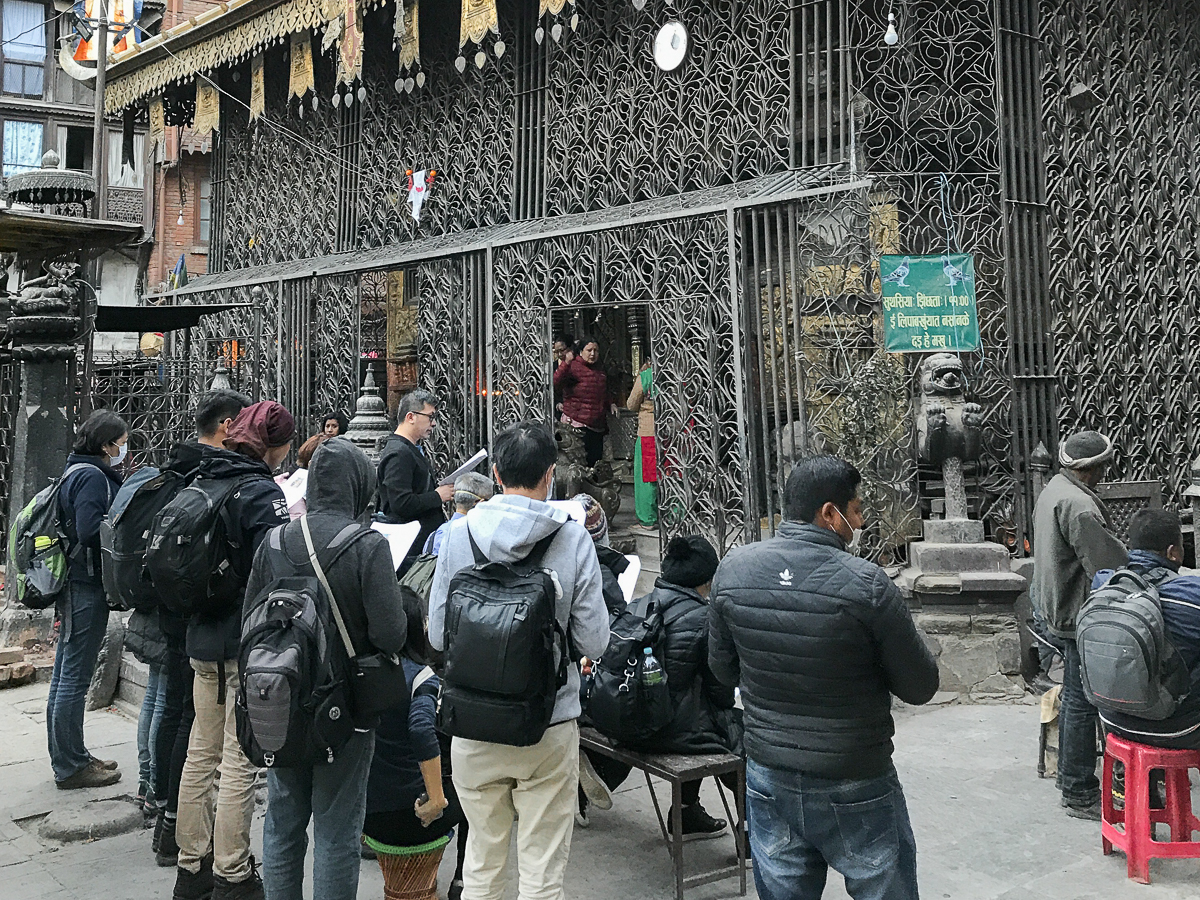
Patan Vajra Yogini Chapel is hidden away in an old stone building that hugs the edge of the Mahaboudha Temple complex. The tiny chapel houses an exquisite form of Vajra Yogini who appears to be flying in the sky. The main temple complex houses a magnificent replica of the original Bodhgaya stupa.
Sangkhu Vajra Yogini Temple houses a very special statue of Vajra Yogini. In bygone times, there was a Nepali yogini who was renowned for being an emanation of Vajra Yogini on earth. She engaged ardently in retreats and became one with Vajra Yogini in her lifetime. When she passed away, rainbows miraculously appeared around her body and the earth shook. Her relics are interred within this holy statue, which was made in her likeness.
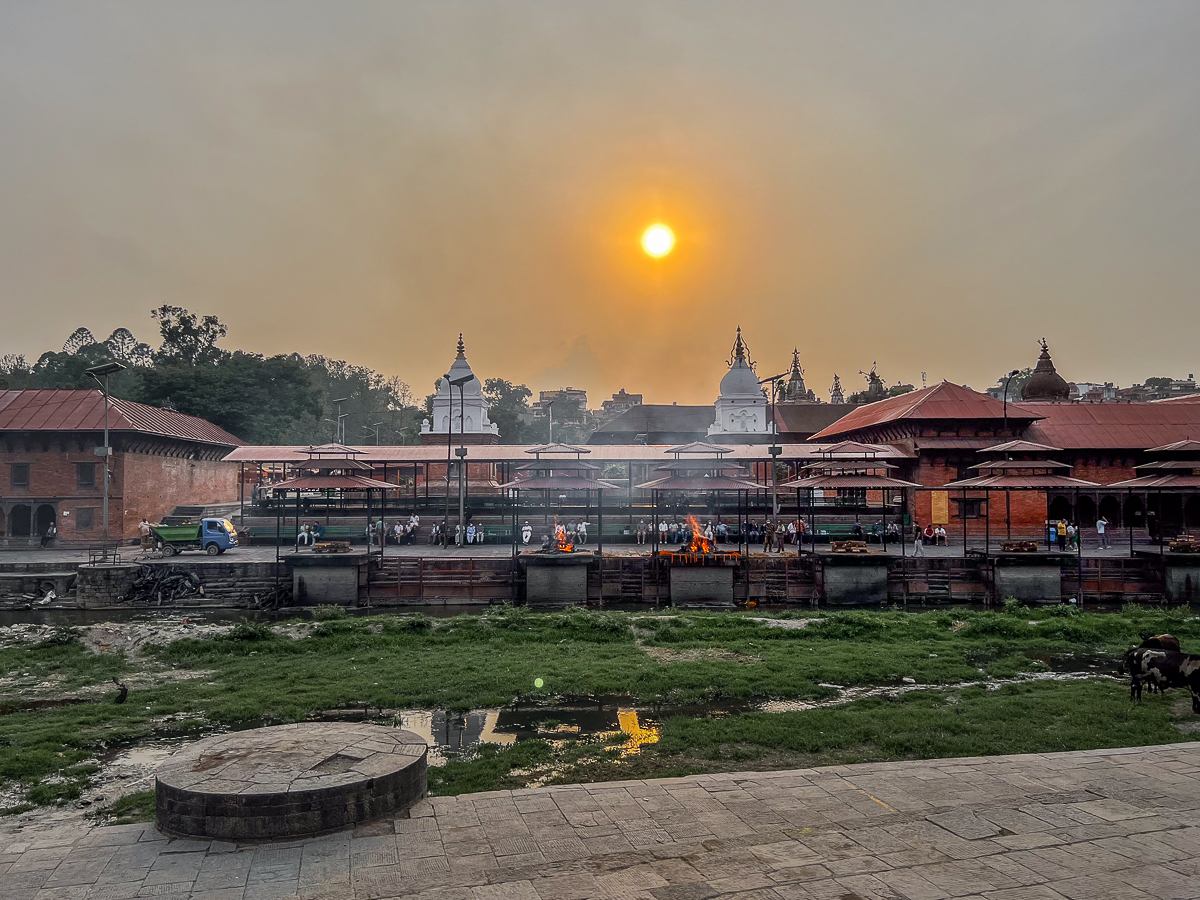
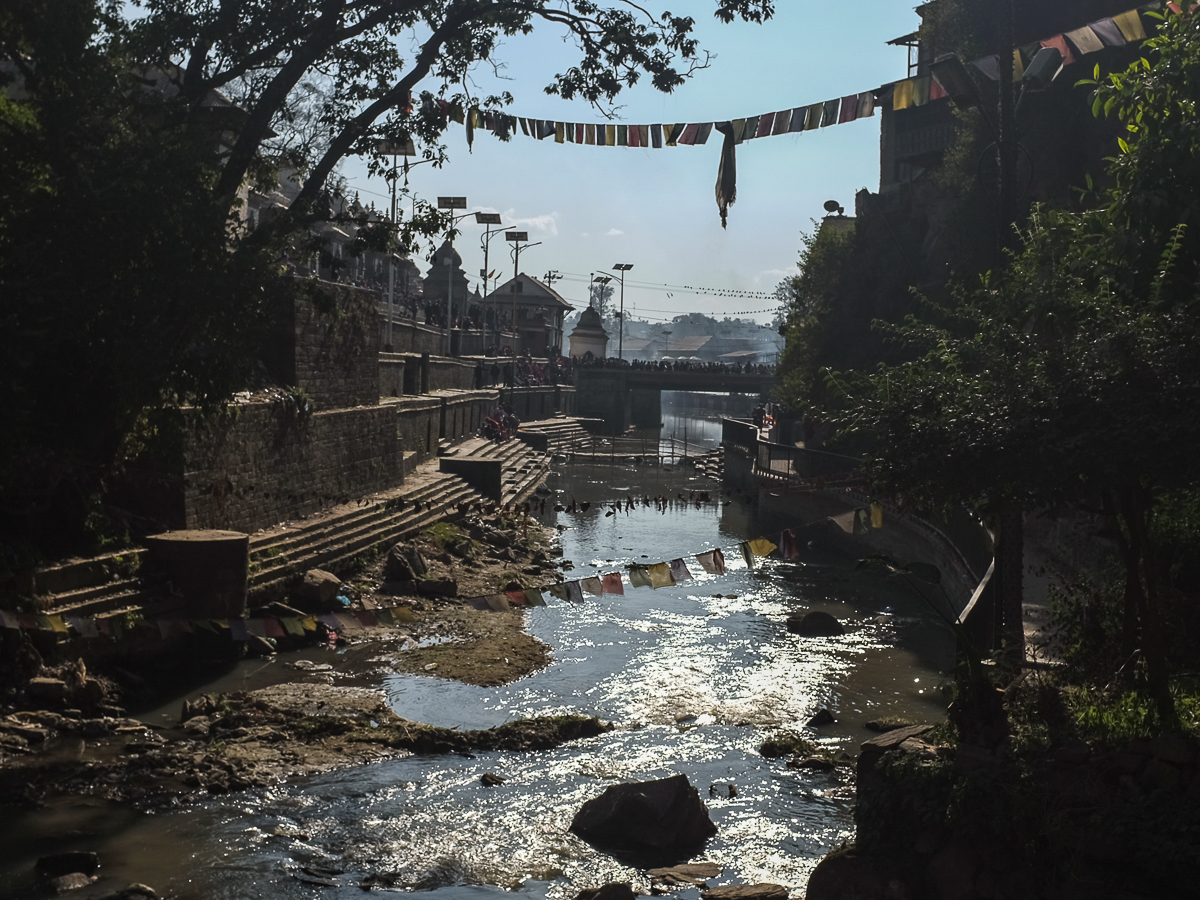
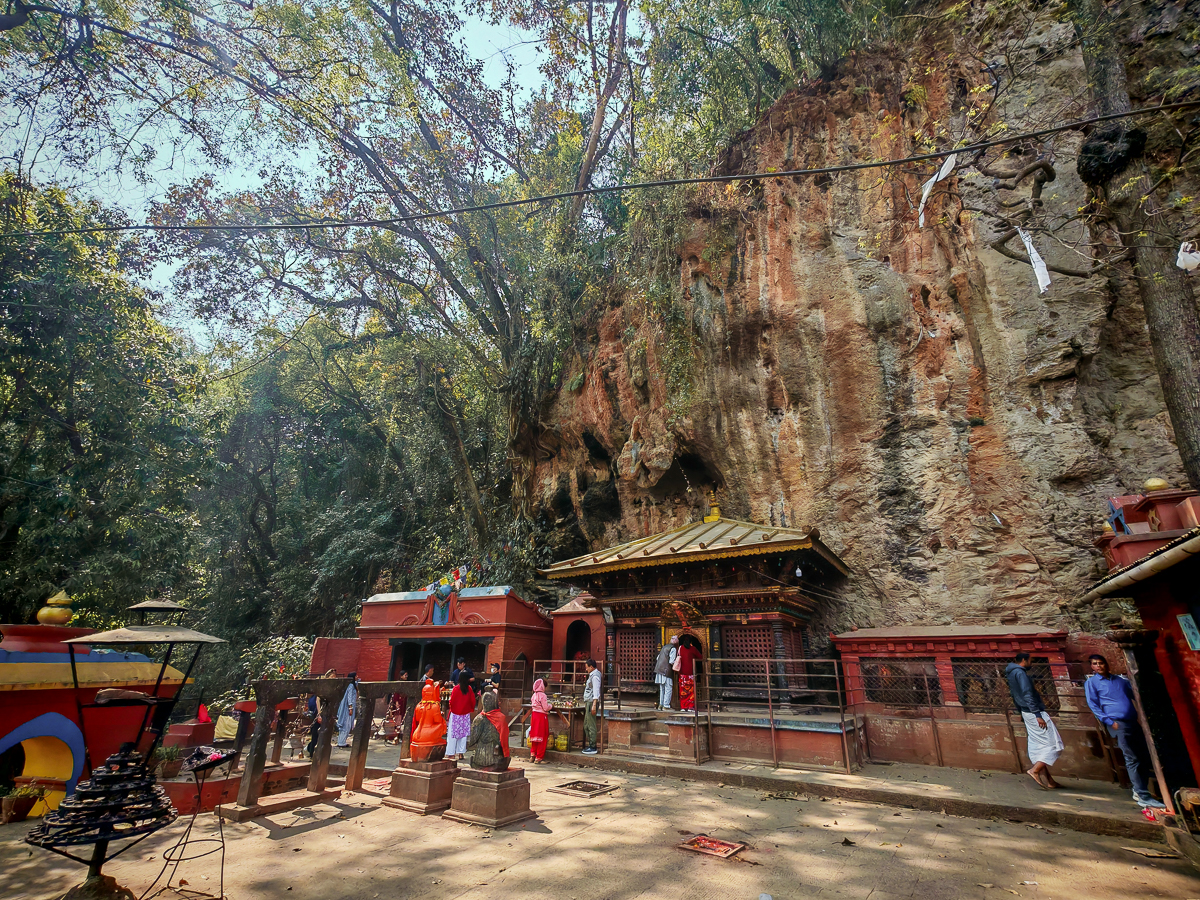
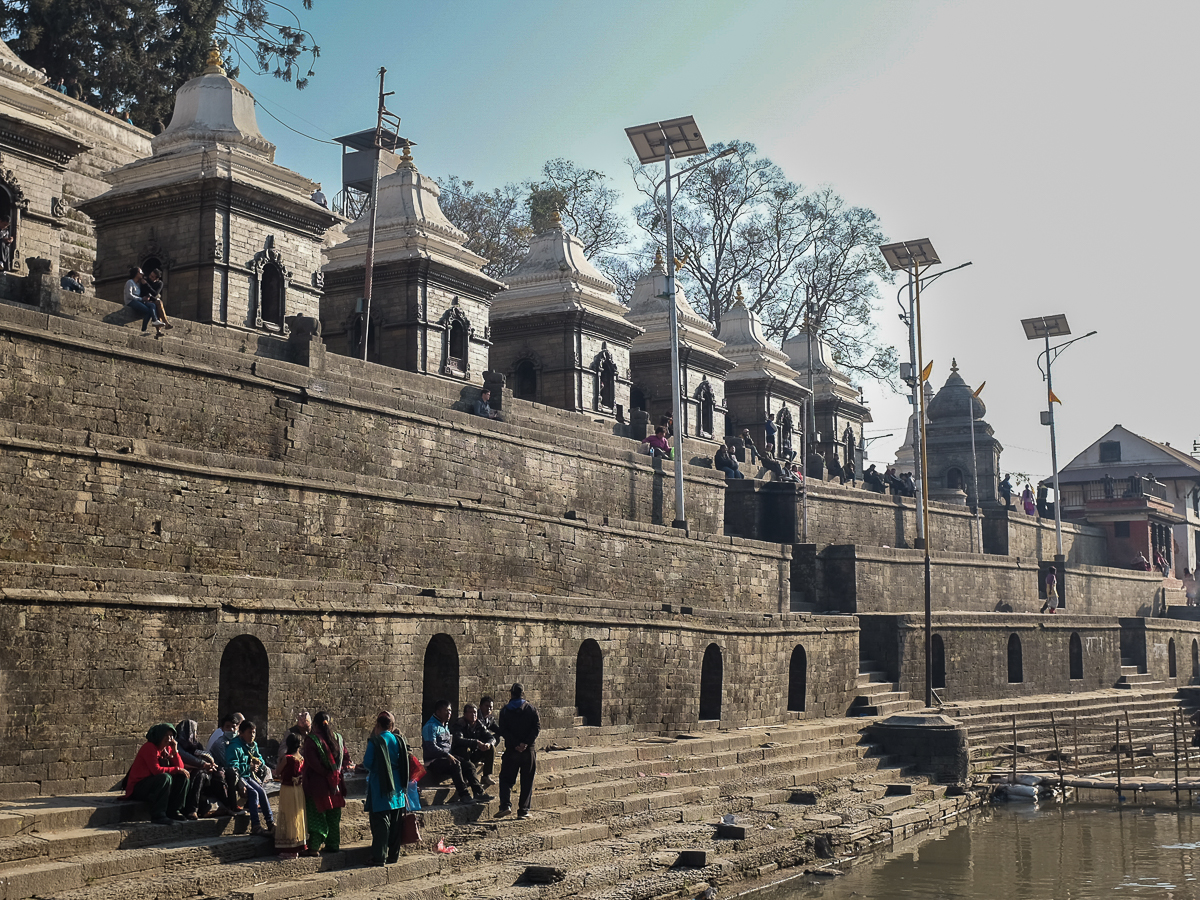
Pashupatinath is one of the holiest sites in the Hindu world and is included in the 24 sacred places associated with Heruka Chakrasamvara. It is also the site of the meditation caves of Mahasiddha Naropa — the progenitor of the Naro Kachö Vajra Yogini practice, and his guru Mahasiddha Tilopa.
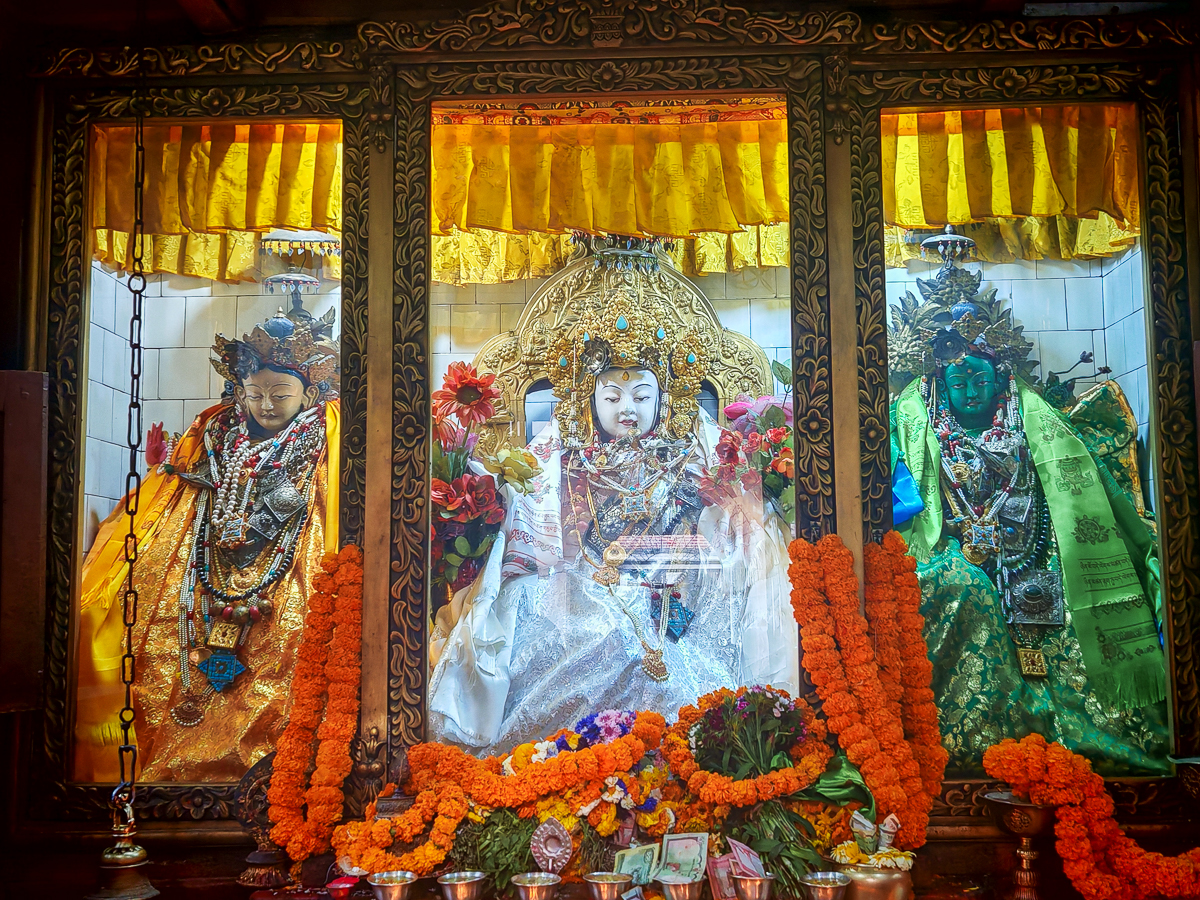
Itum Bahal is a 14th-century Buddhist monastery, tucked away so well that only locals know the entrance to the main courtyard. A modest chapel houses three holy Tara statues. The central figure is an ancient White Tara statue — one which, according to His Holiness Kyabje Trijang Rinpoche, miraculously flew here all the way from Tibet.
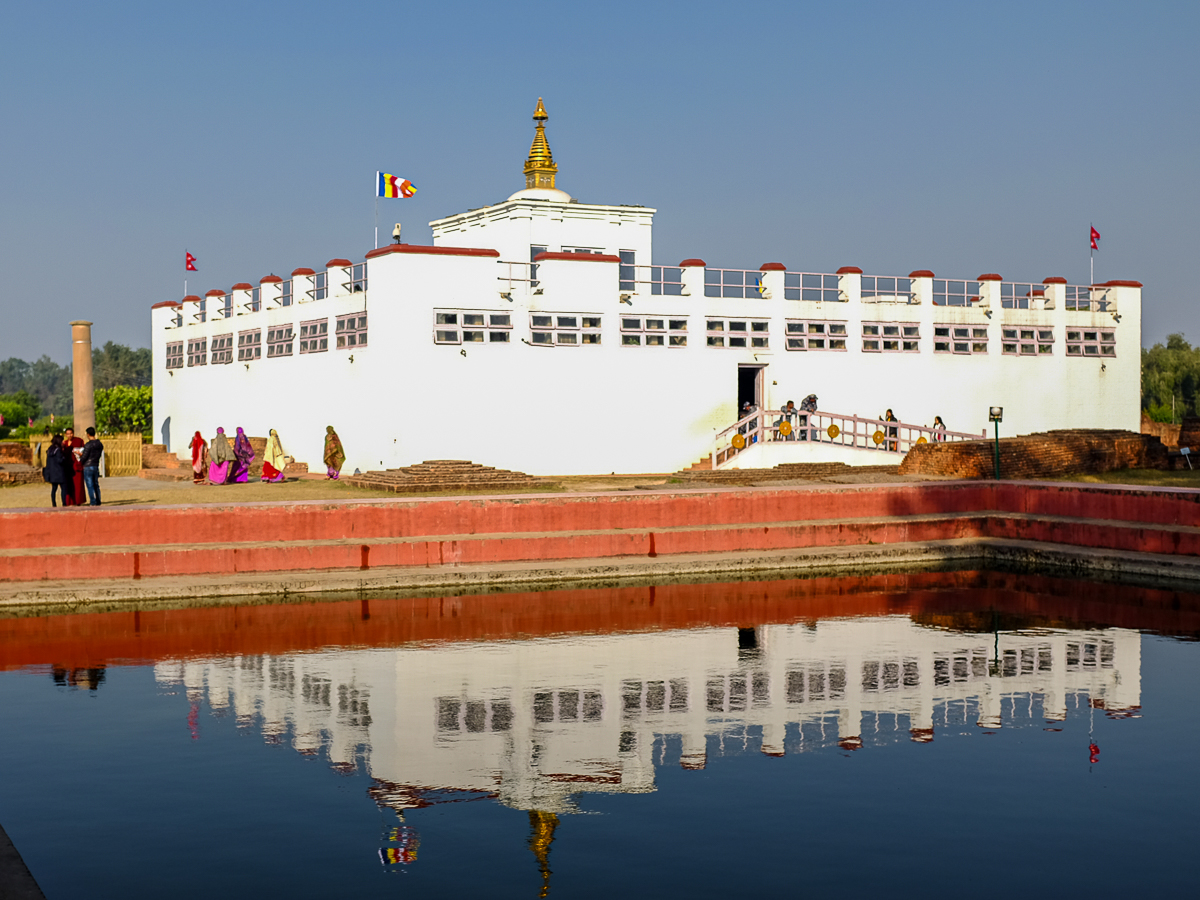
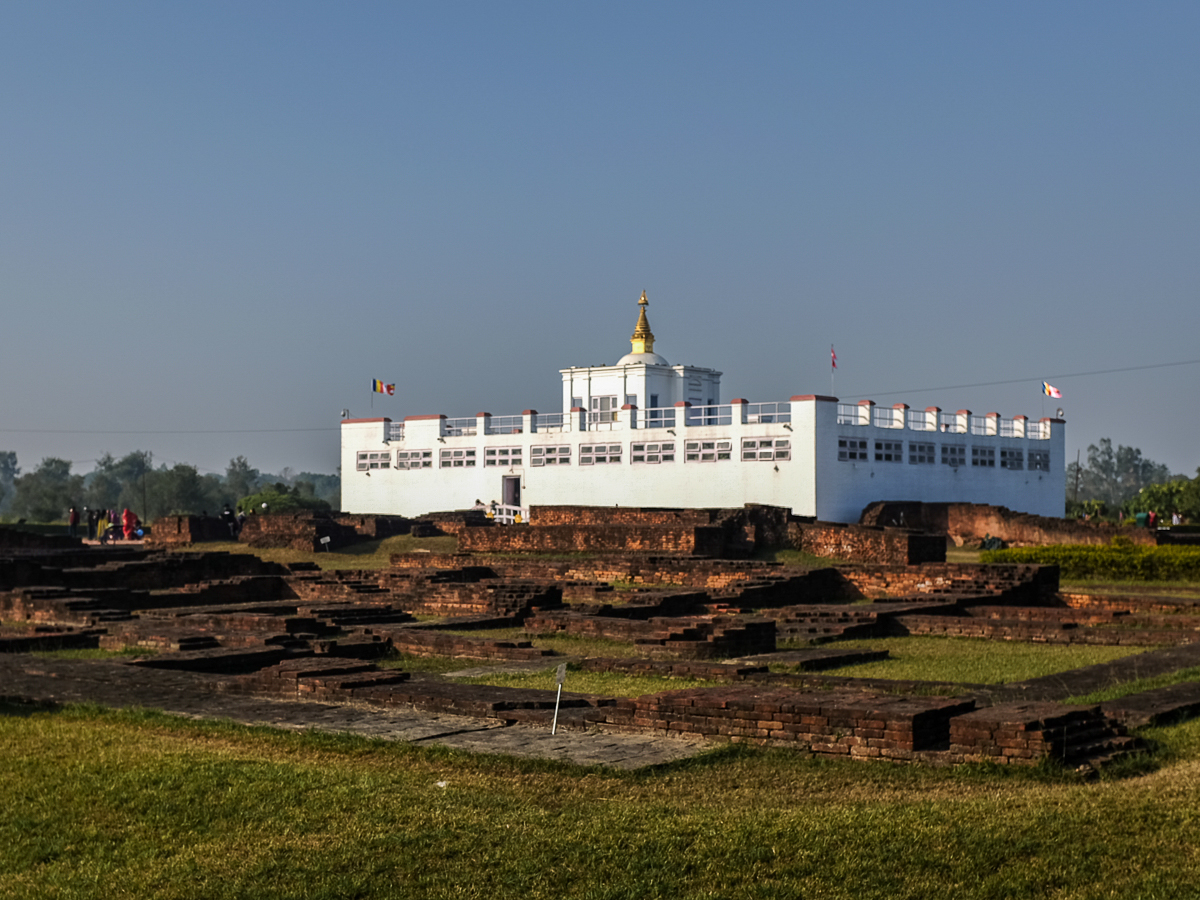
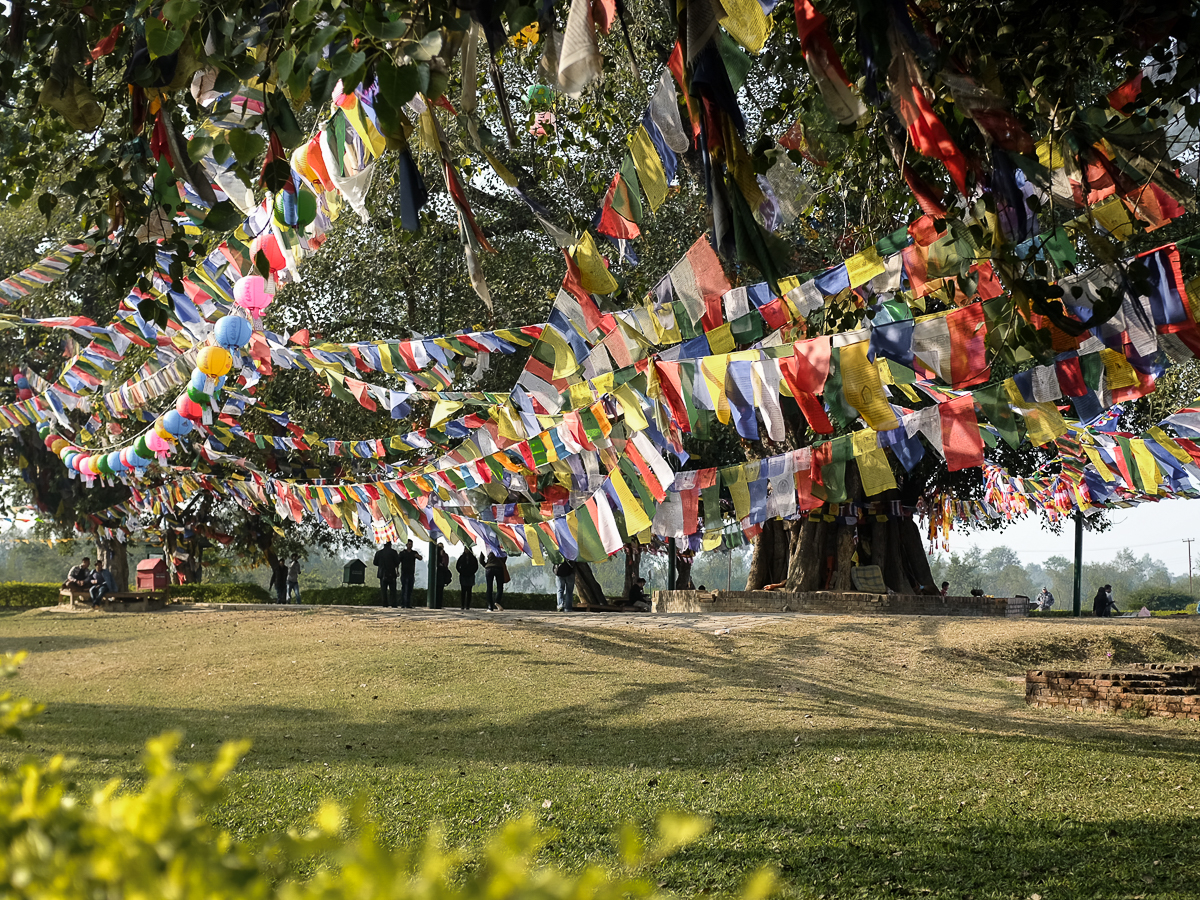
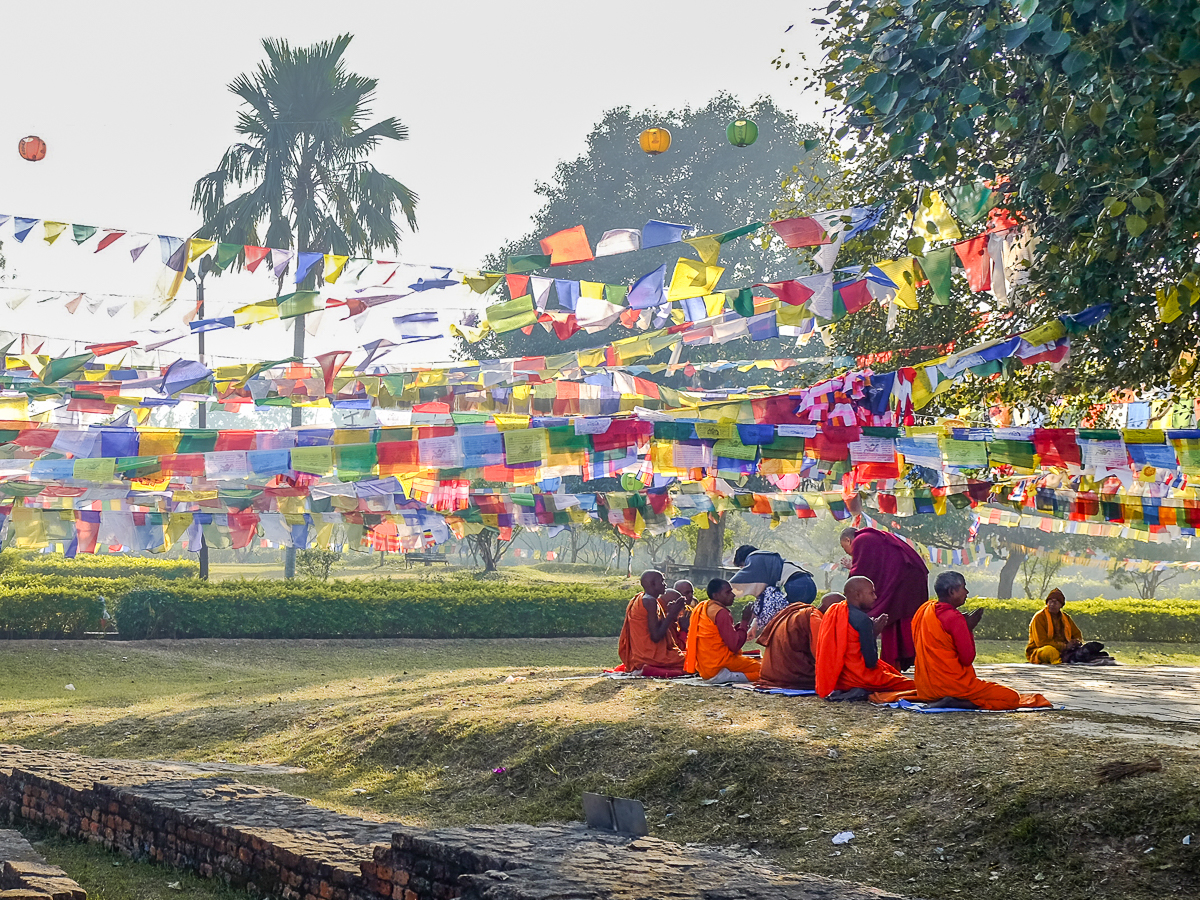
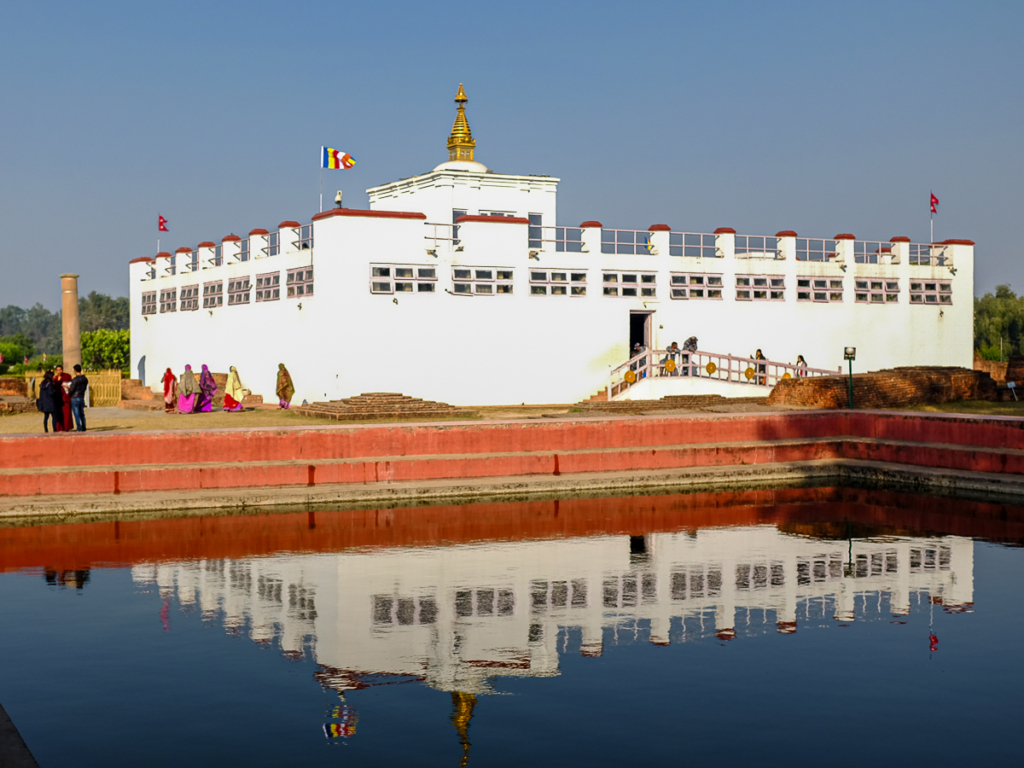
Lumbini is the birthplace of the Buddha. The Maya Devi Temple marks the very spot where he was born beneath a sala tree. When we visit Buddha’s birthplace, we create the karma to gain control over our own rebirth, and the causes to be reborn in pleasant places where we have the right conditions and opportunities to practise Dharma.
The sacred White Tara statue at Itum Bahal Tara Chapel, believed to have miraculously flown from Tibet to Nepal.
7D6N Pilgrimage to Nepal
Join us for a spiritual journey to the heartland of Vajra Yogini. You’ll gain the experience of an authentic Buddhist pilgrimage but with all modern comforts and conveniences.
Our Sangha members/pastors will guide you through motivation setting, pilgrimage prayers, offerings at selected locations, and share insights about each holy site based on the teachings of our founder, H.E. Tsem Rinpoche. It is a pilgrimage experience unlike any ordinary tour.
24 – 30 November 2026
Trip donation: RM 7,200/pax
Registration closes August 15, 2026
Itinerary
Day 1: KL → Kathmandu
Itum Bahal Tara Chapel, Jan Bahal Chenrezig Temple
The itinerary is subject to change, depending on weather and other unforeseen circumstances.
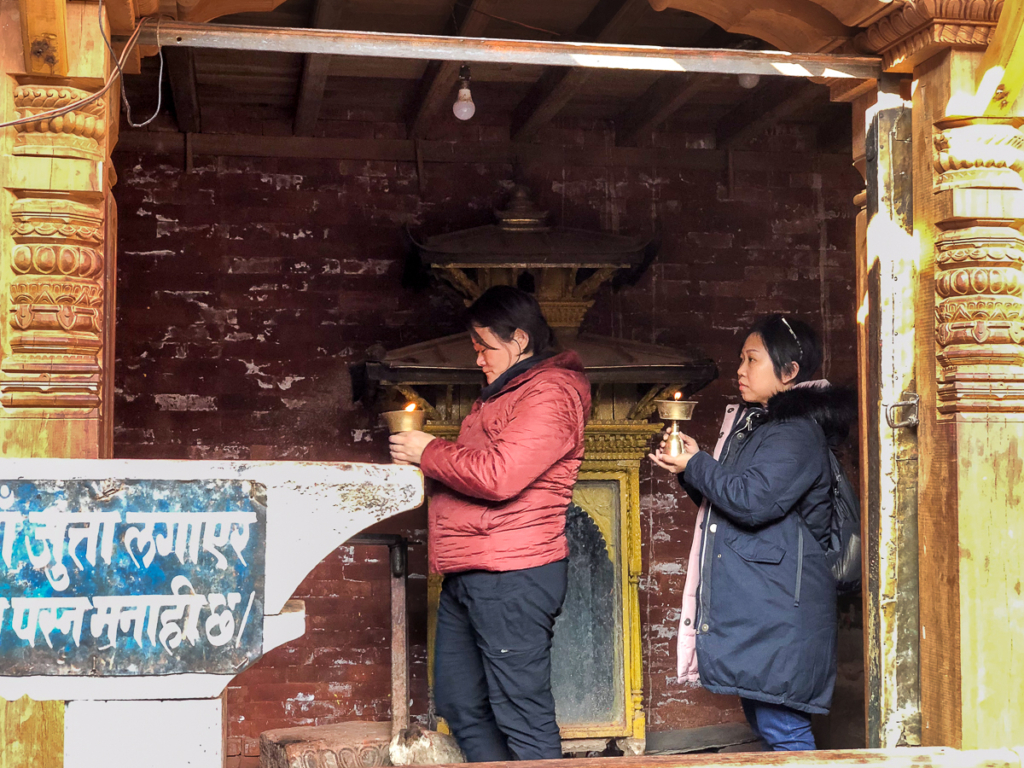
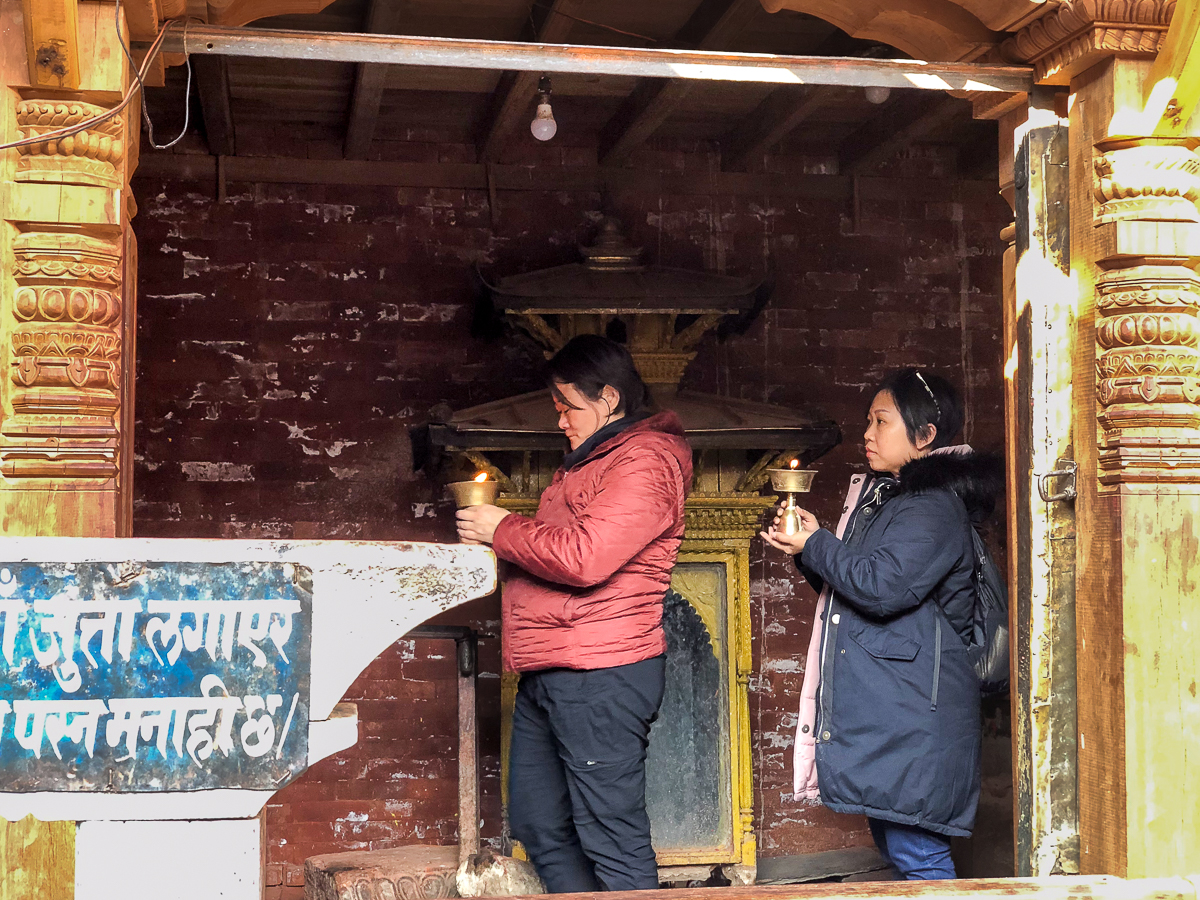
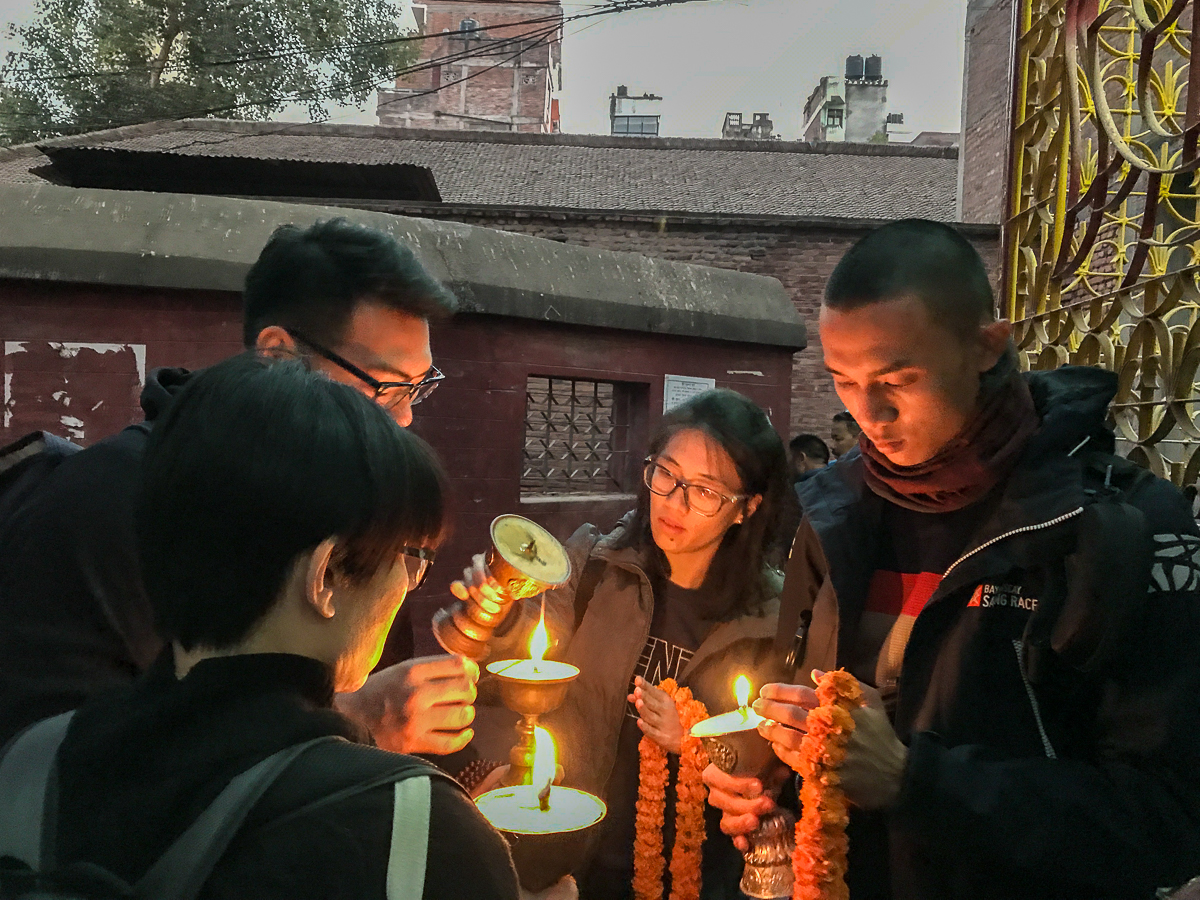
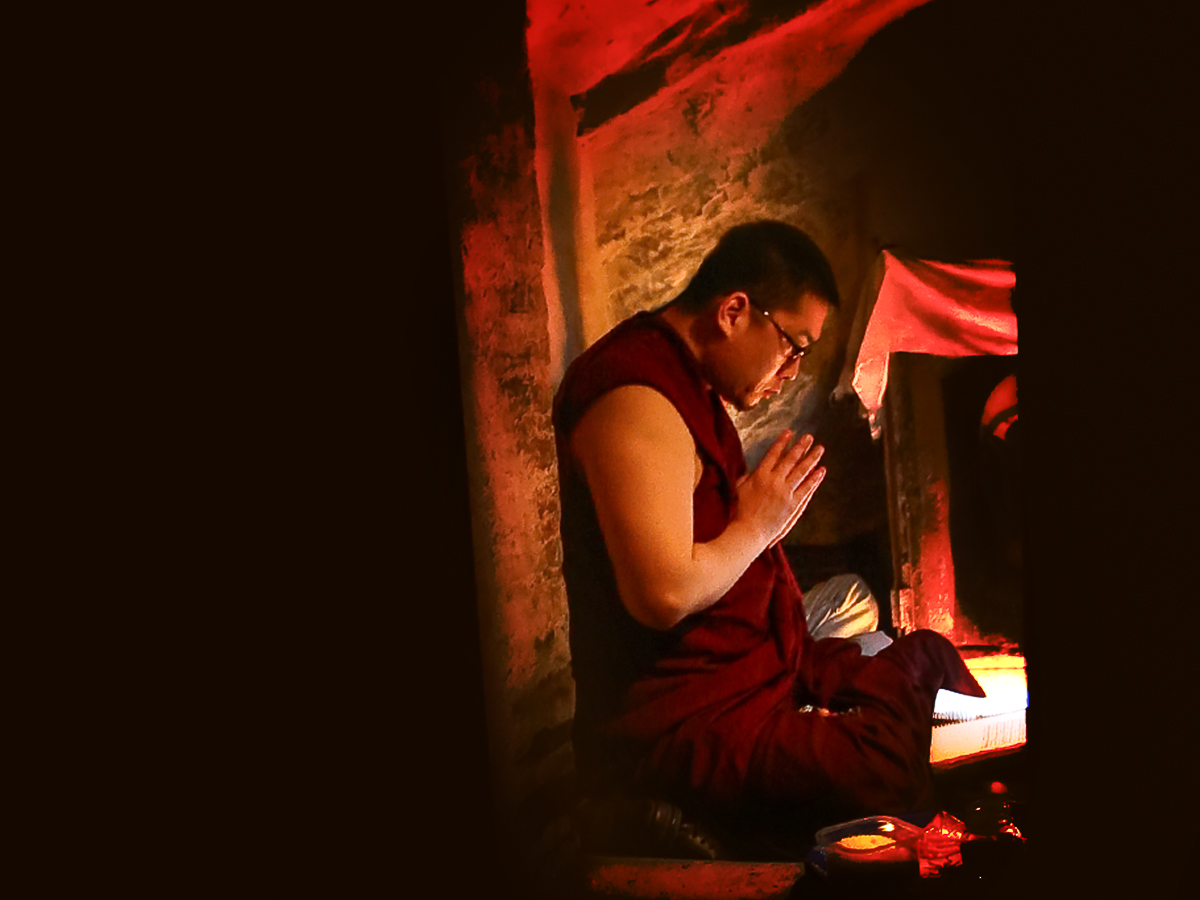
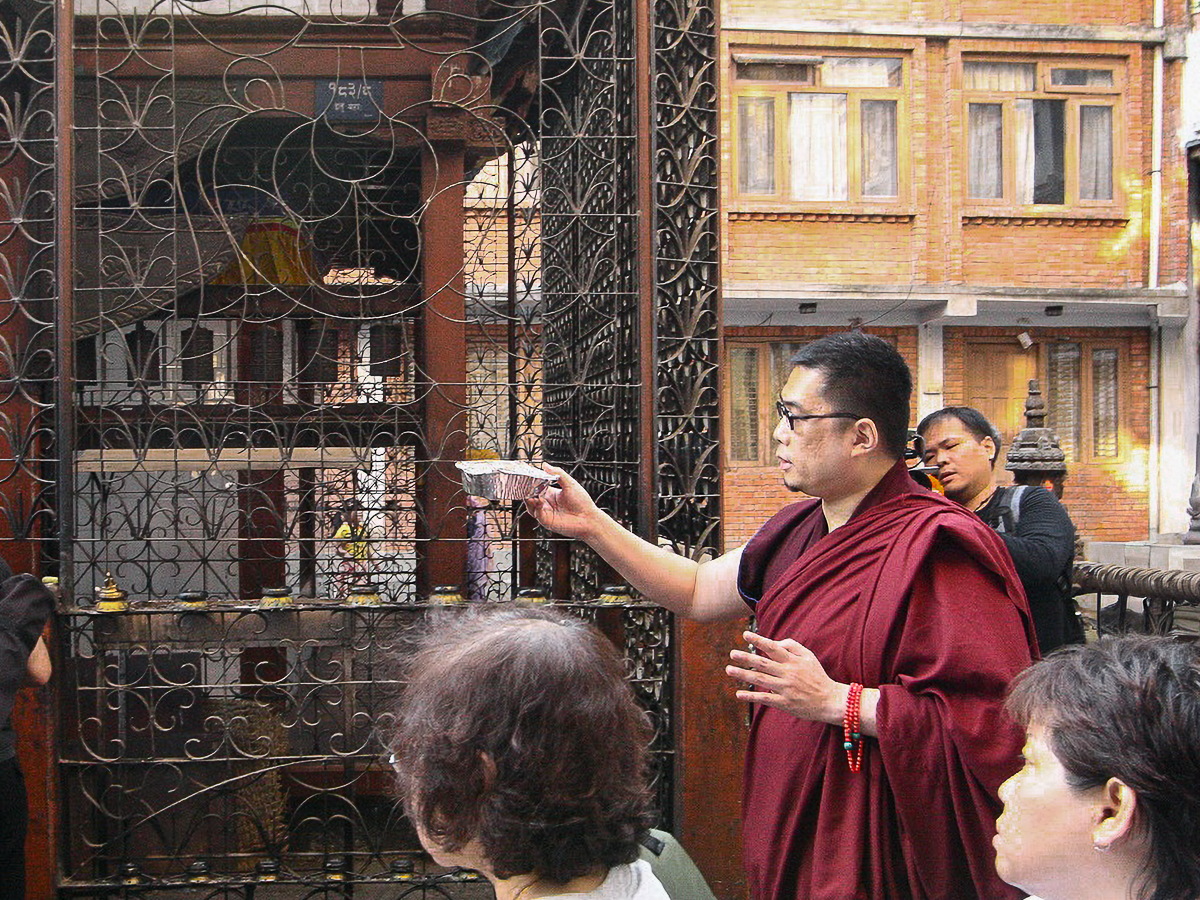
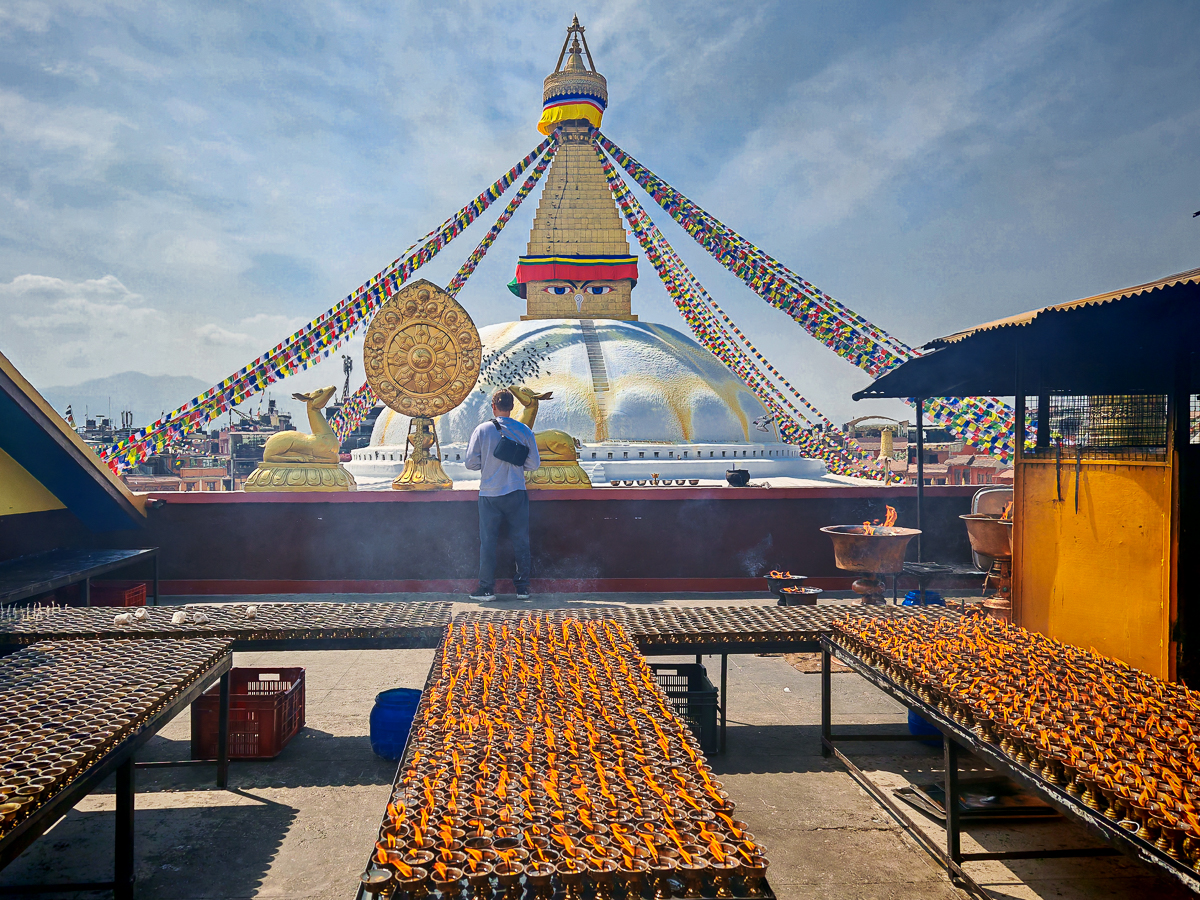
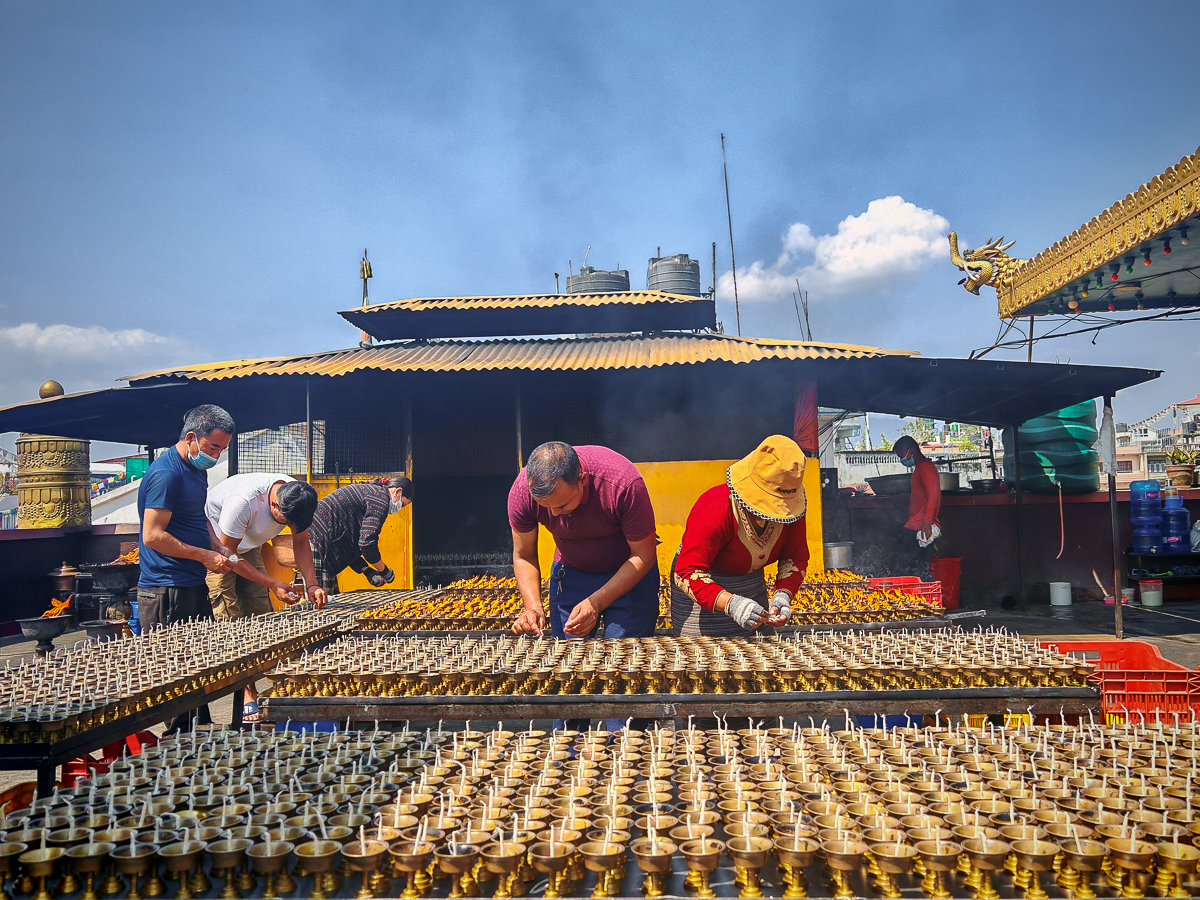
Making strong aspirational prayers and traditional butterlamp offerings to the four sacred statues of Vajra Yogini at Vijashwari Temple.
Circumambulating the holy Boudhanath Stupa is a must-do on any pilgrimage to Nepal.
What’s Included
International and domestic airfare
6 nights 4-5 star accommodation (twin sharing basis)
Meals (breakfast, lunch and dinner)
Air-conditioned transport throughout the whole trip
Temple entrance fees (single entry)
Nepal service charges and government taxes
Bottled water during the journey
Excludes visa fee, travel insurance, offerings, and personal expenses.Other terms and conditions apply.
To register your interest, please fill out the pilgrimage application form. Applications will be vetted and approved by the organisers. Priority will be given to active members as places are limited.
The Maya Devi temple at Lumbini marks the exact spot where Buddha was born.
The Buddhist Tradition of Pilgrimage
The tradition of Buddhist pilgrimage began with the Buddha Shakyamuni himself. Before his passing, Buddha advised his disciples to visit four sacred sites and offer aspirational prayers there. He revealed that every Buddha of the past had manifested in these places, and every Buddha of the future would do the same. By visiting them, we form a deep connection with the outer Buddhas — a connection that helps us awaken the inner Buddha within ourselves. This bond supports our spiritual practice in this life and the lives to come.
These four original pilgrimage sites are Lumbini, Bodhgaya, Varanasi, and Kushinagar. They mark the most important moments of Buddha’s life — where he was born, where he attained enlightenment, where he gave his first teaching, and where he entered parinirvana. Visiting them can be life-changing for anyone seeking spiritual fulfilment.













 中文
中文