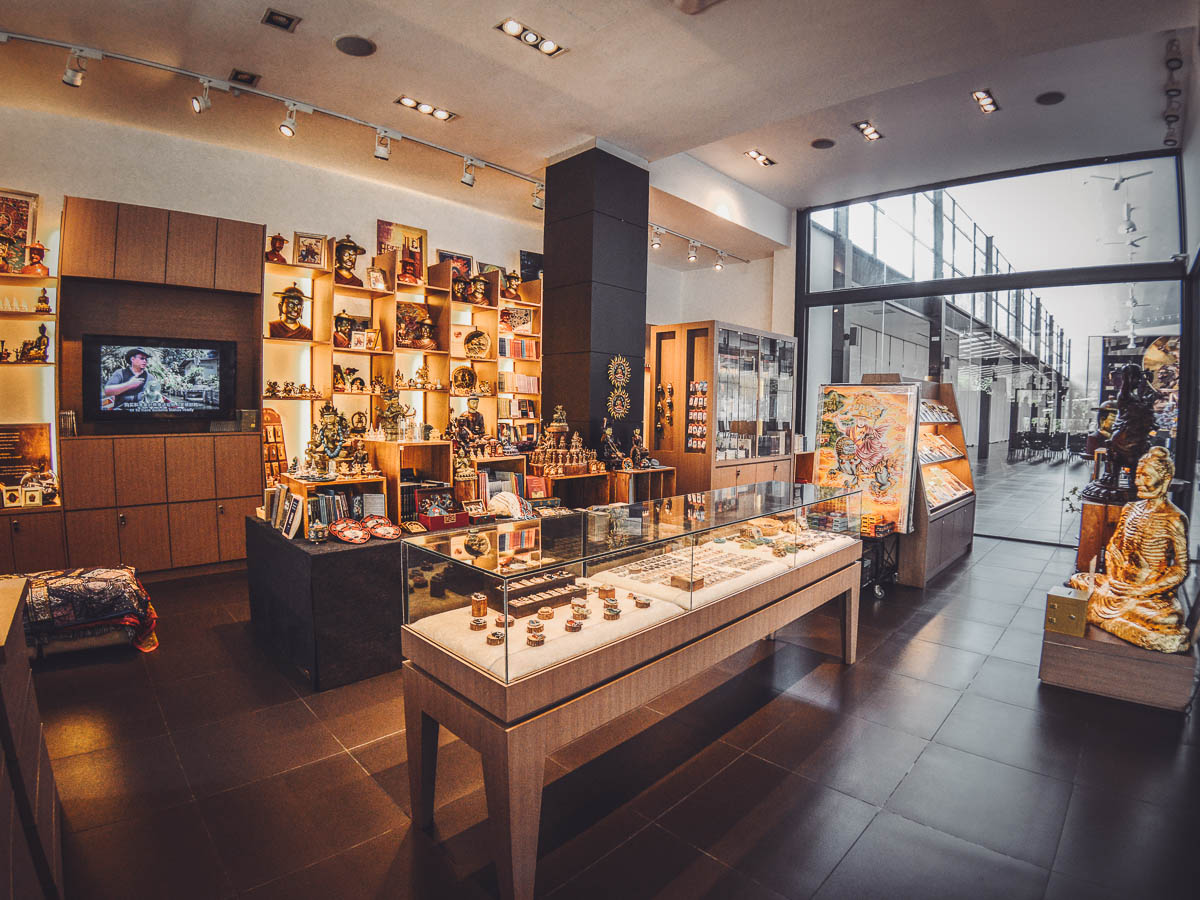
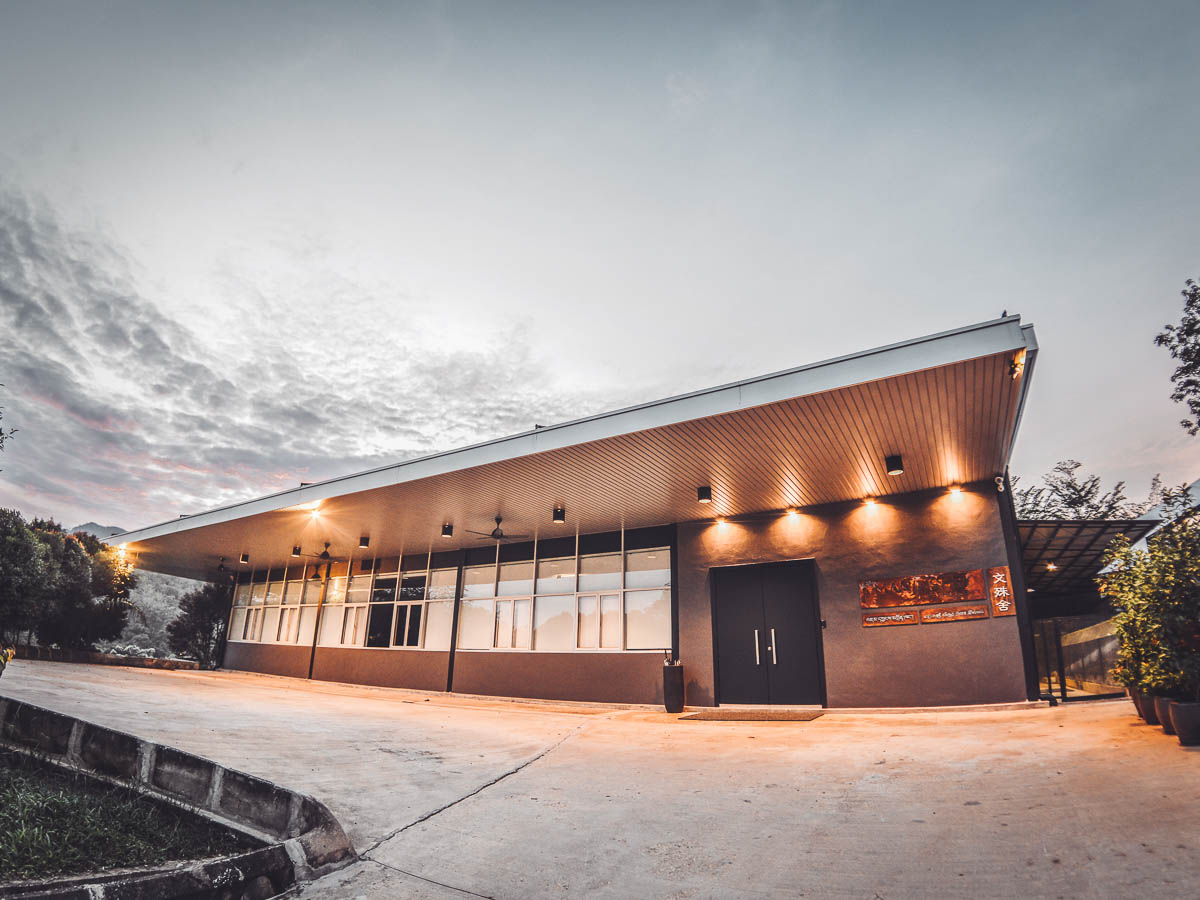
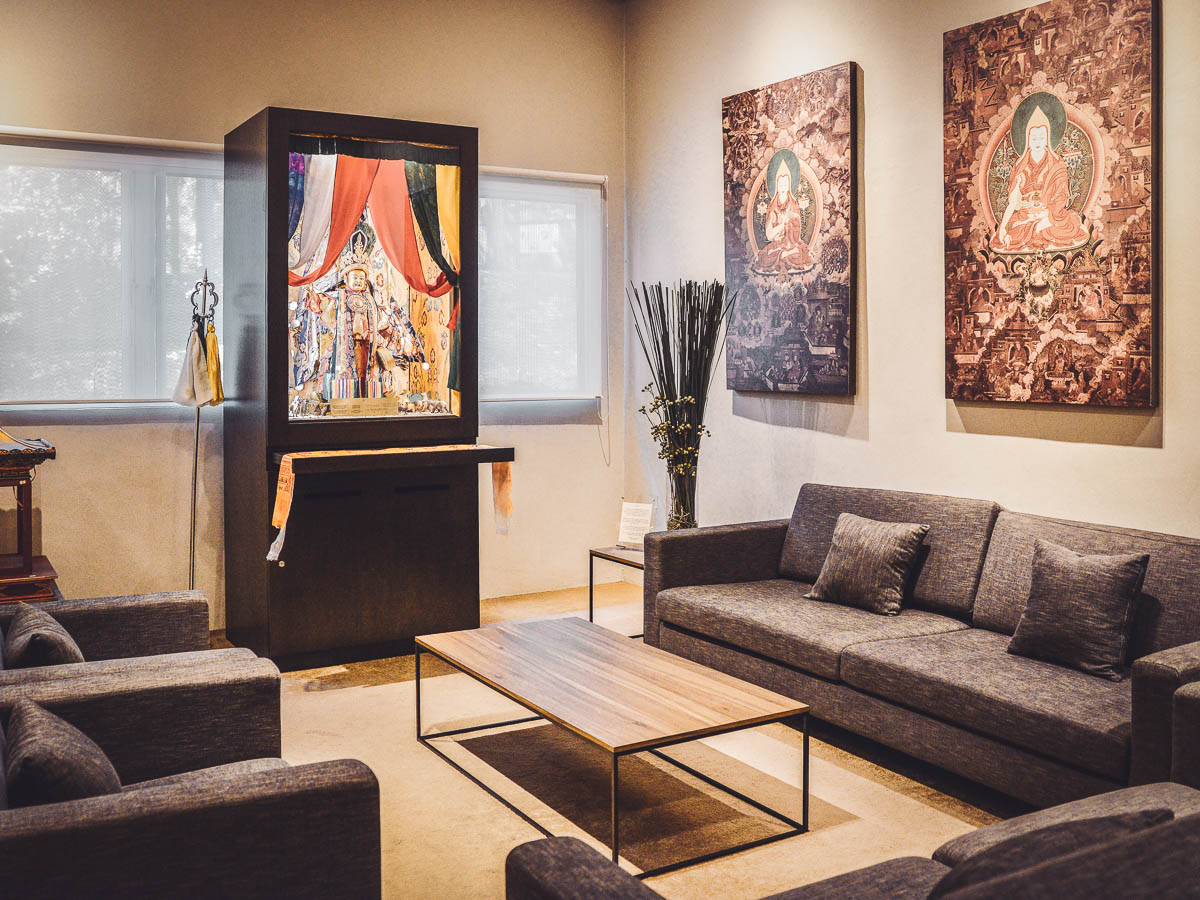
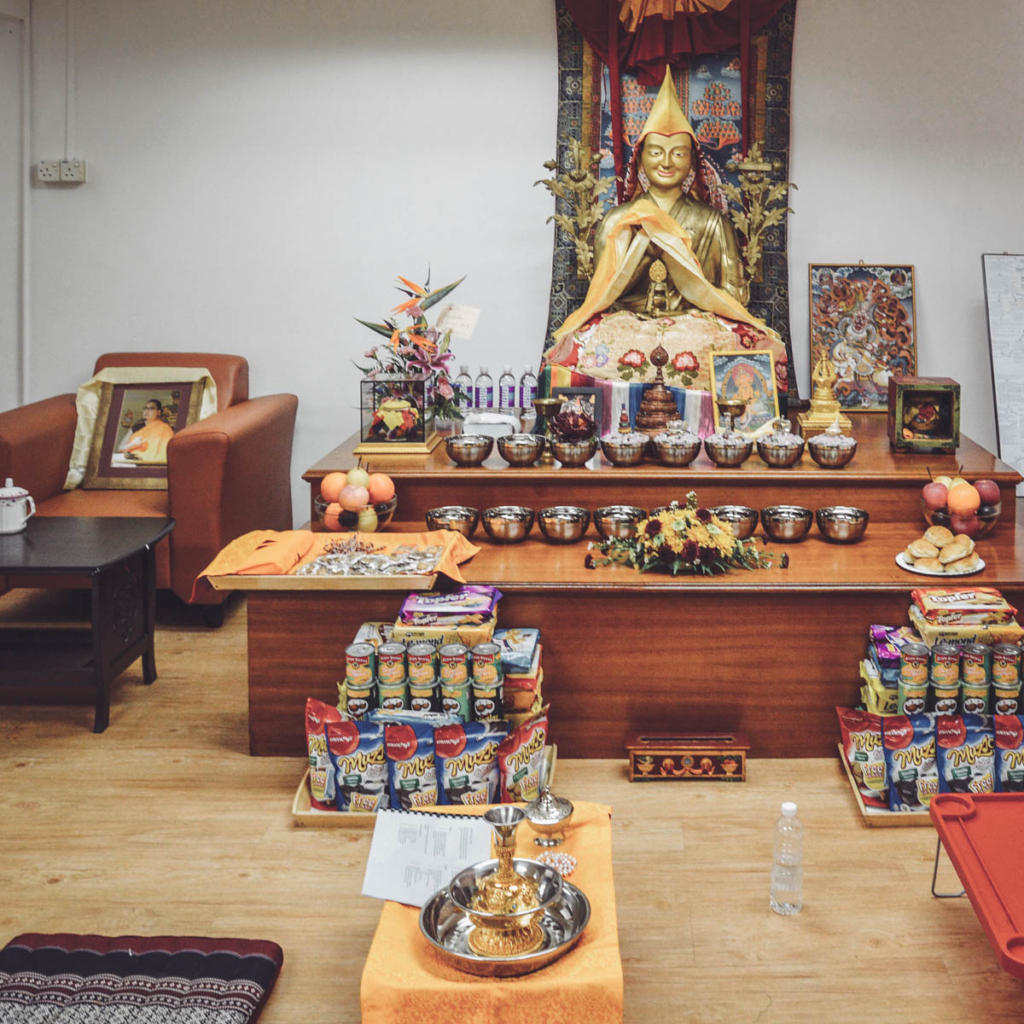
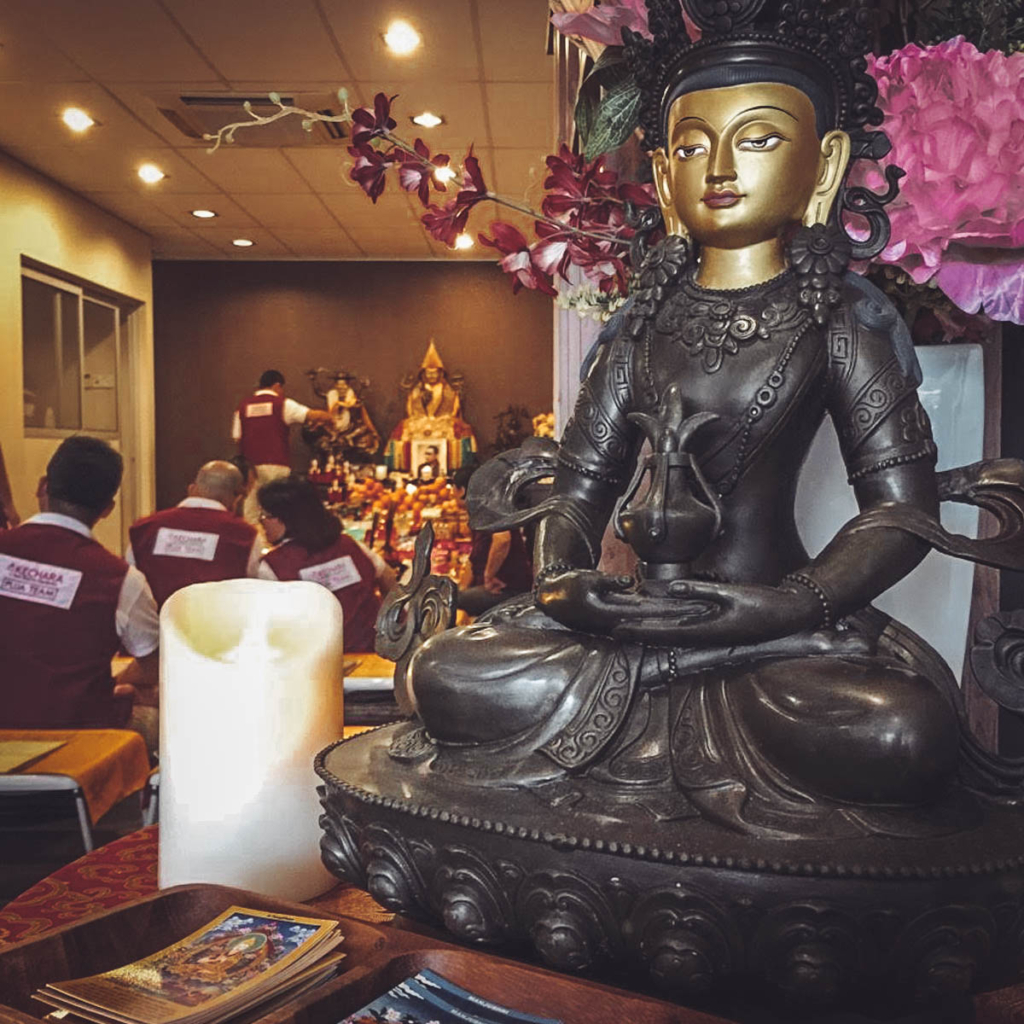
Kechara House is our main city temple. We are conveniently located in the bustling suburb of Petaling Jaya to better serve the Buddhist community of the Klang Valley.
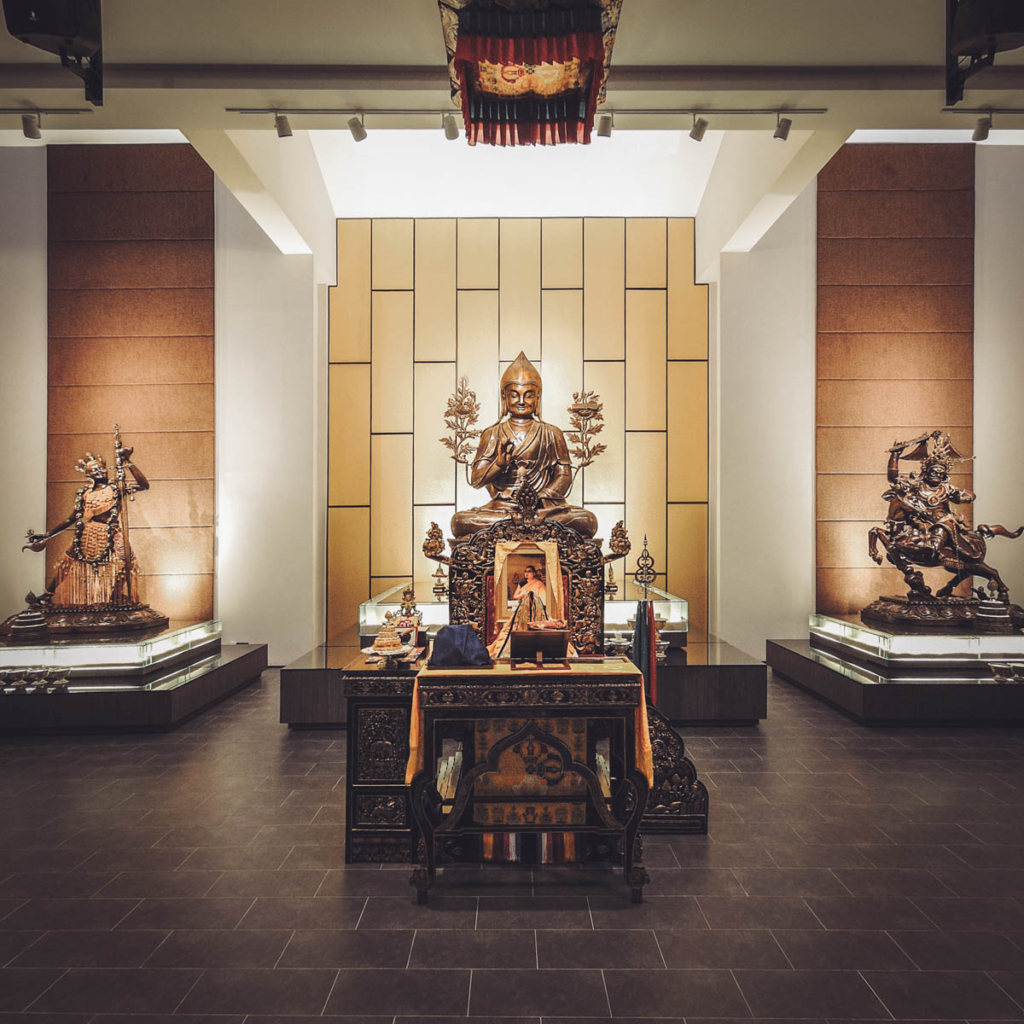
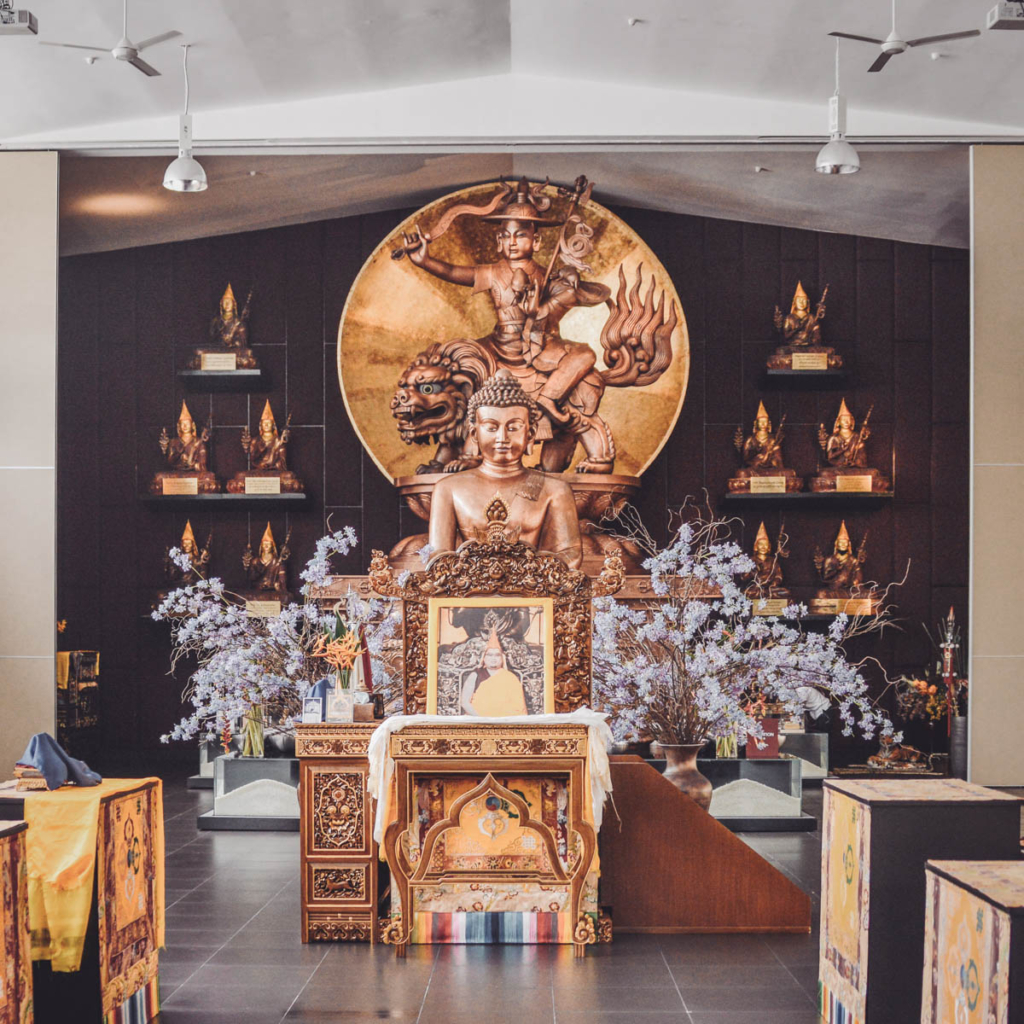
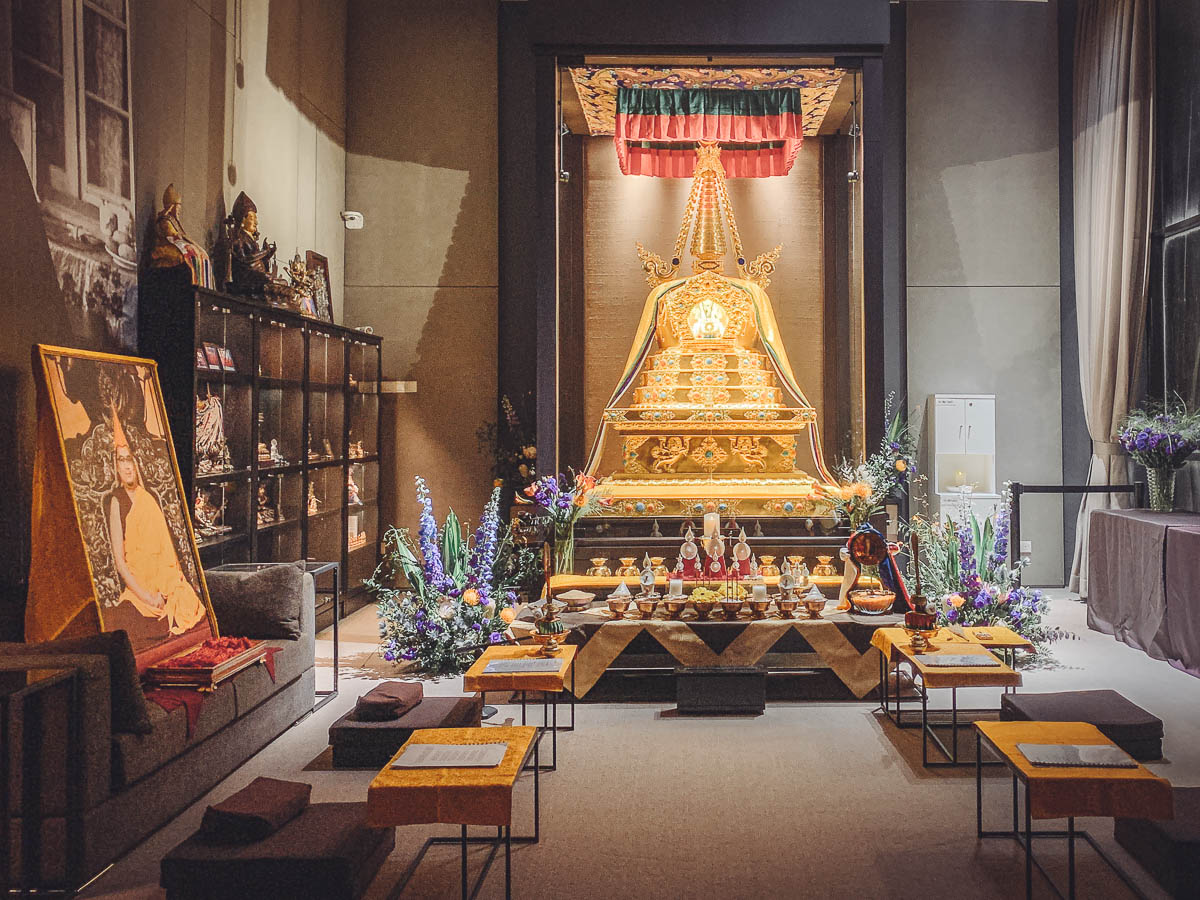
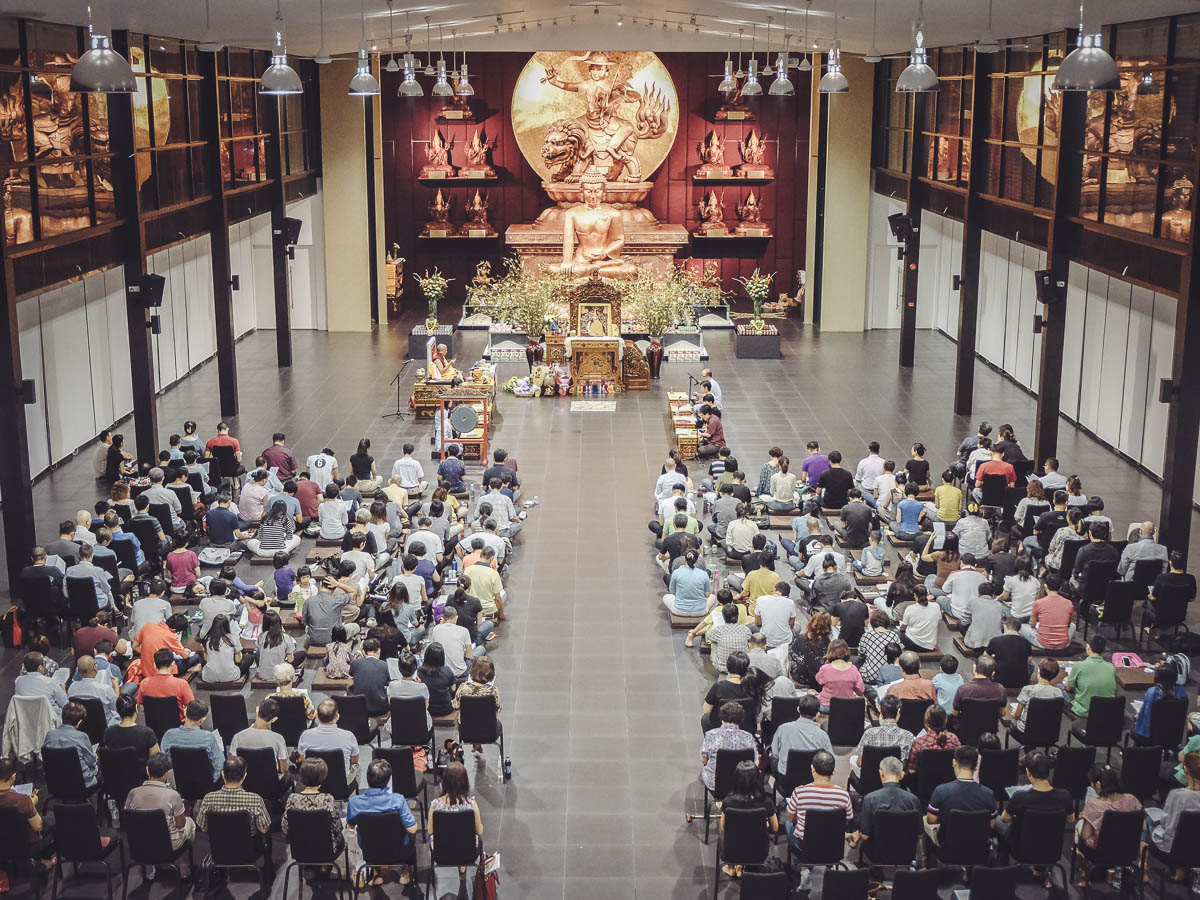
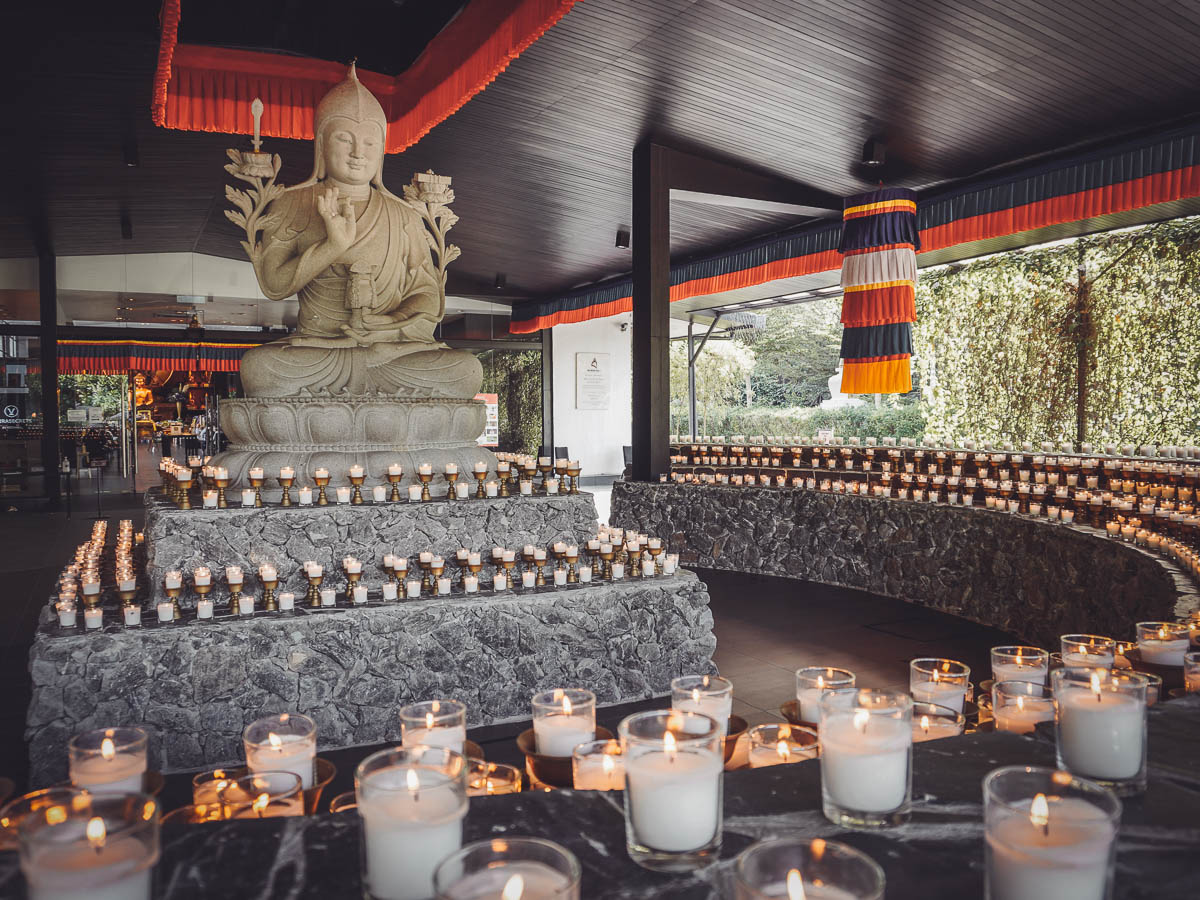
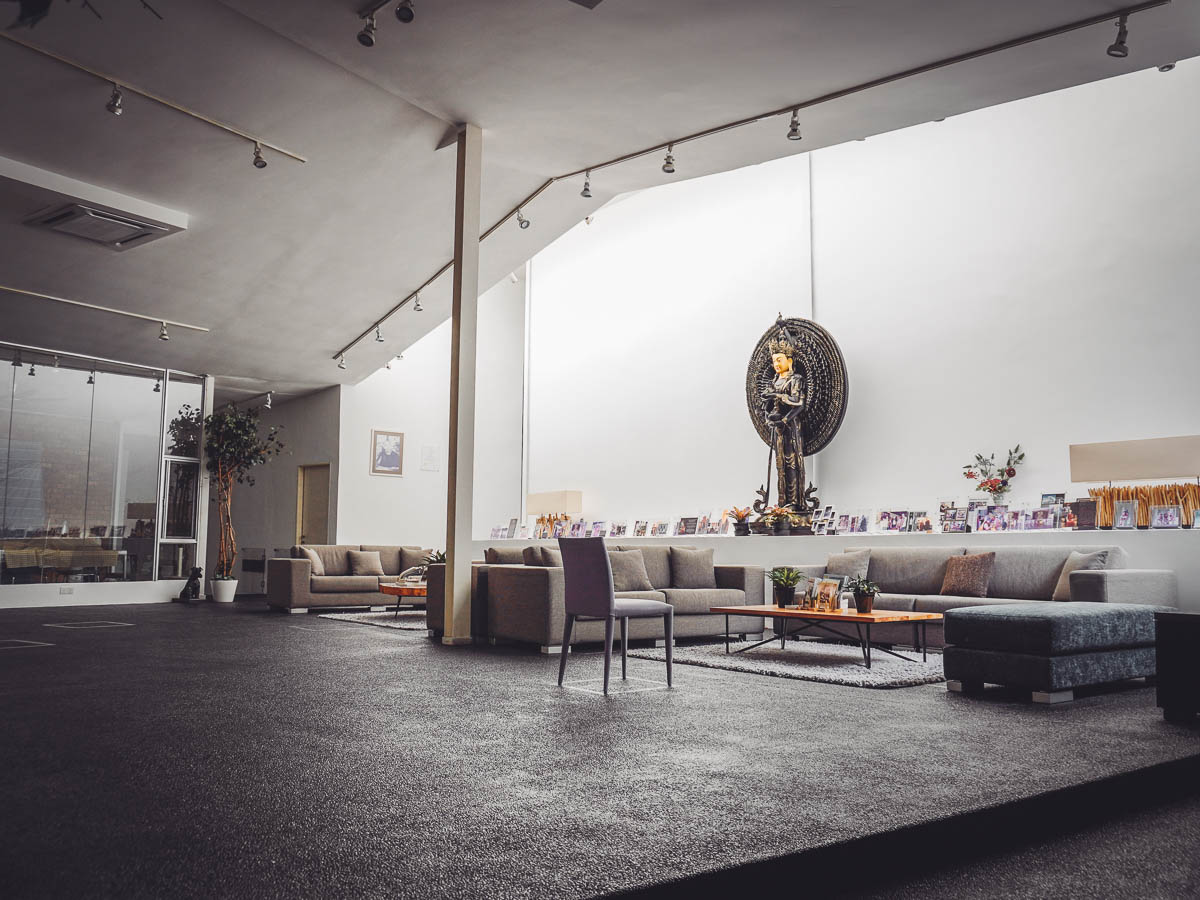
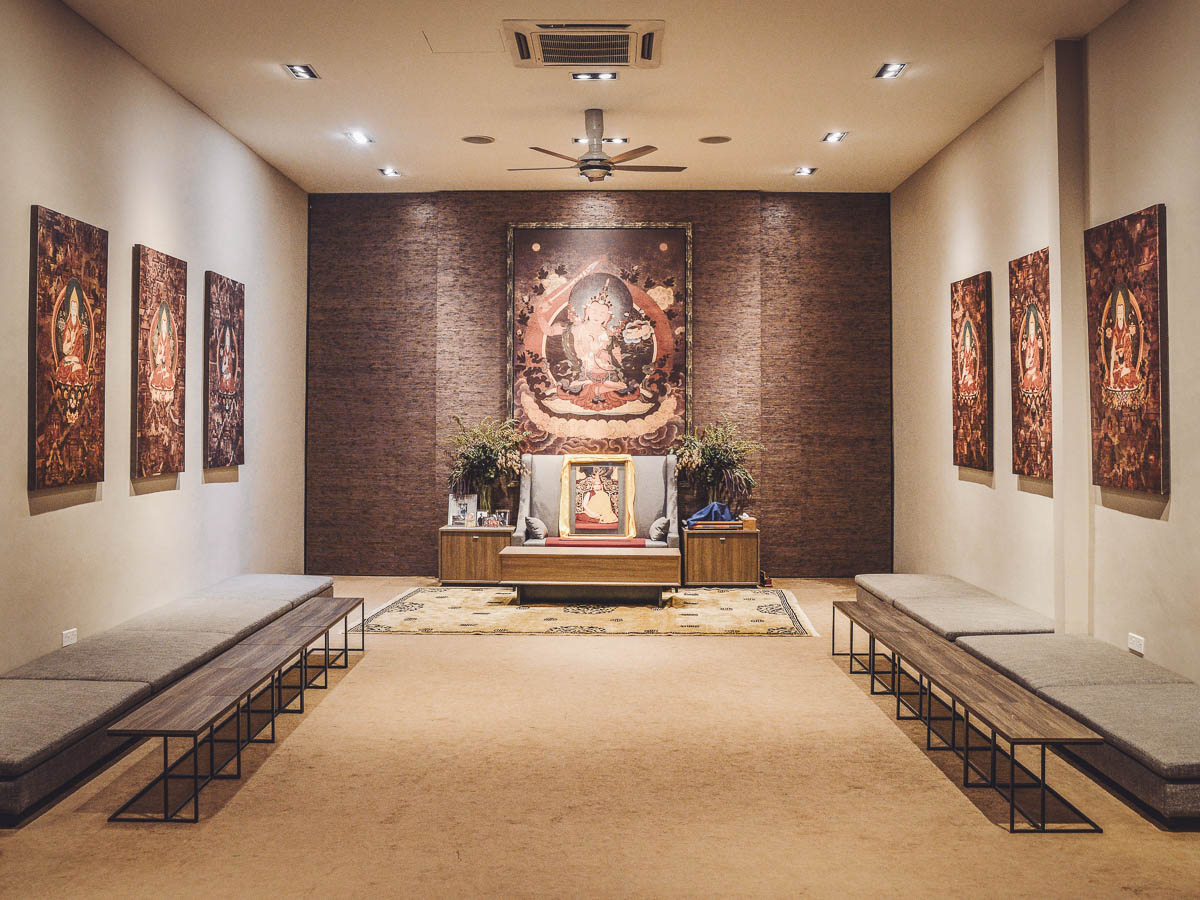
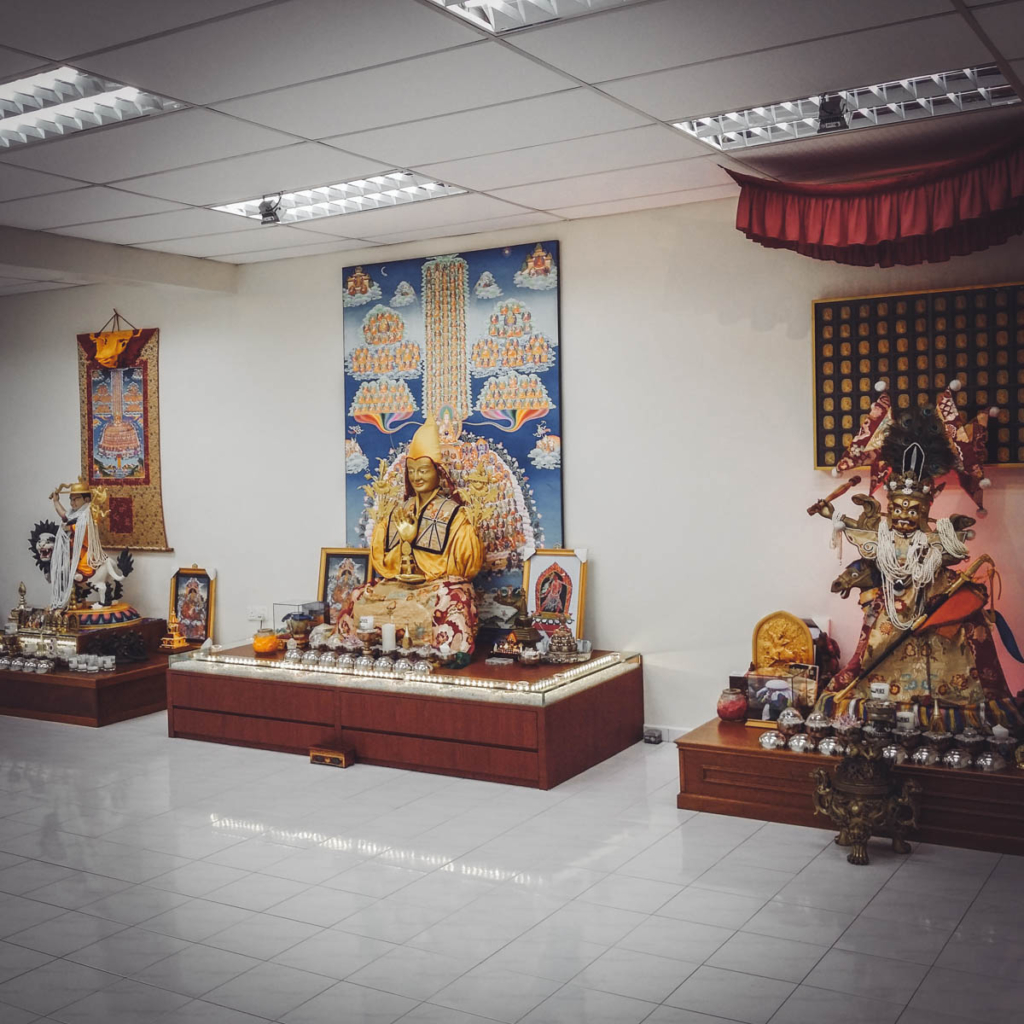
Our two-storey building houses the main prayer hall on the upper floor, which can seat up to 300 people for Dharma talks and prayers.
We are open most days of the week. Join us for one of our weekly group pujas, Dharma classes for adults and children, or a variety of other spiritual activities. You can also drop in to chat with a pastor or senior member, watch a video, read a book, or spend some quiet time in the prayer hall to contemplate, pray or make offerings to the Buddhas.
Facilities
Facilities
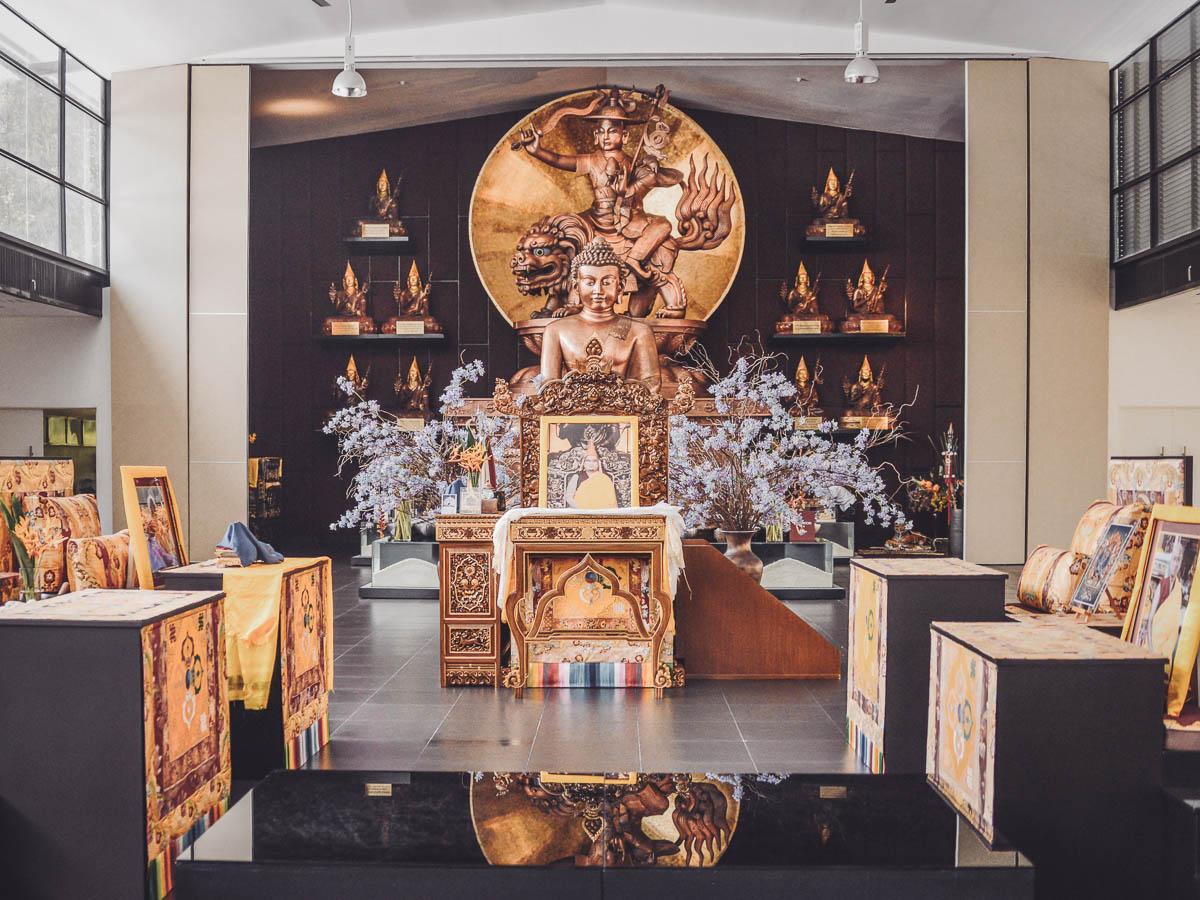
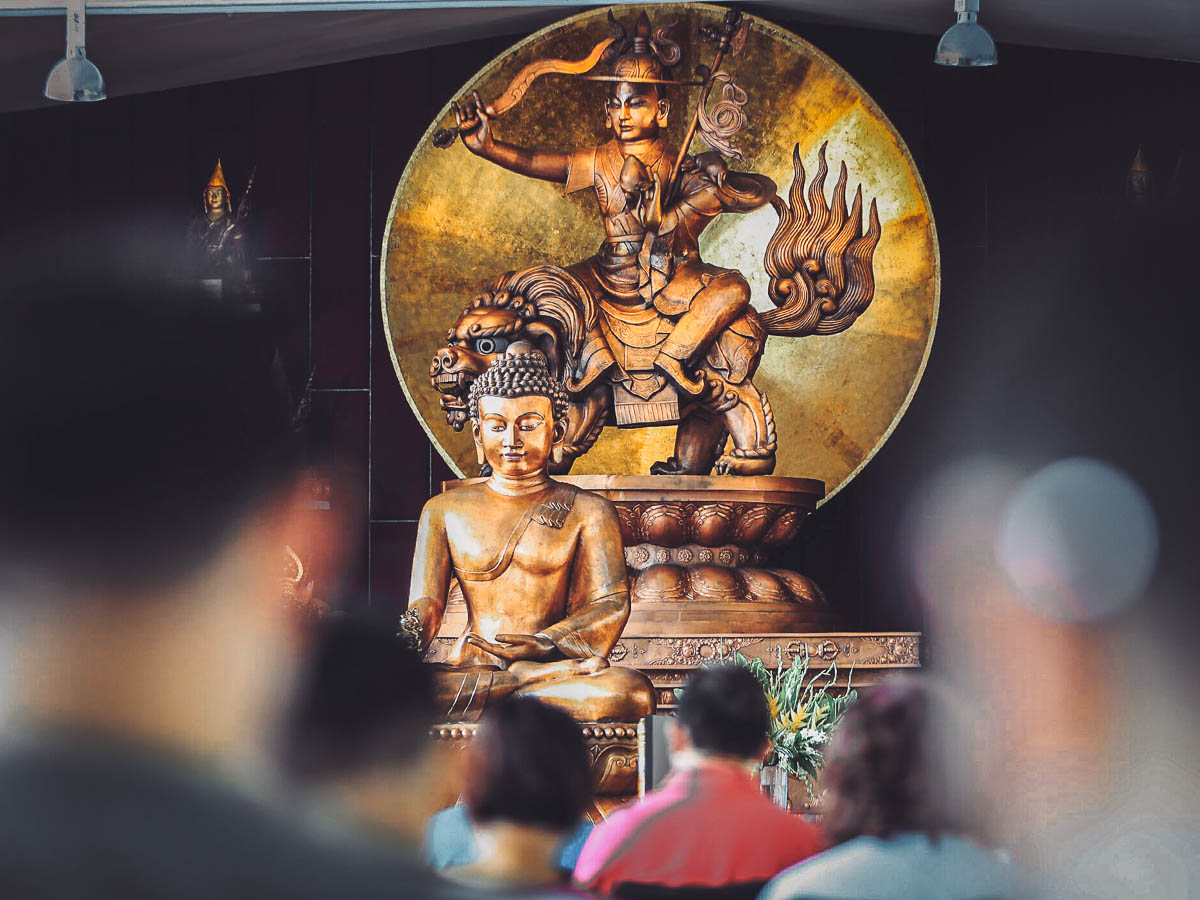
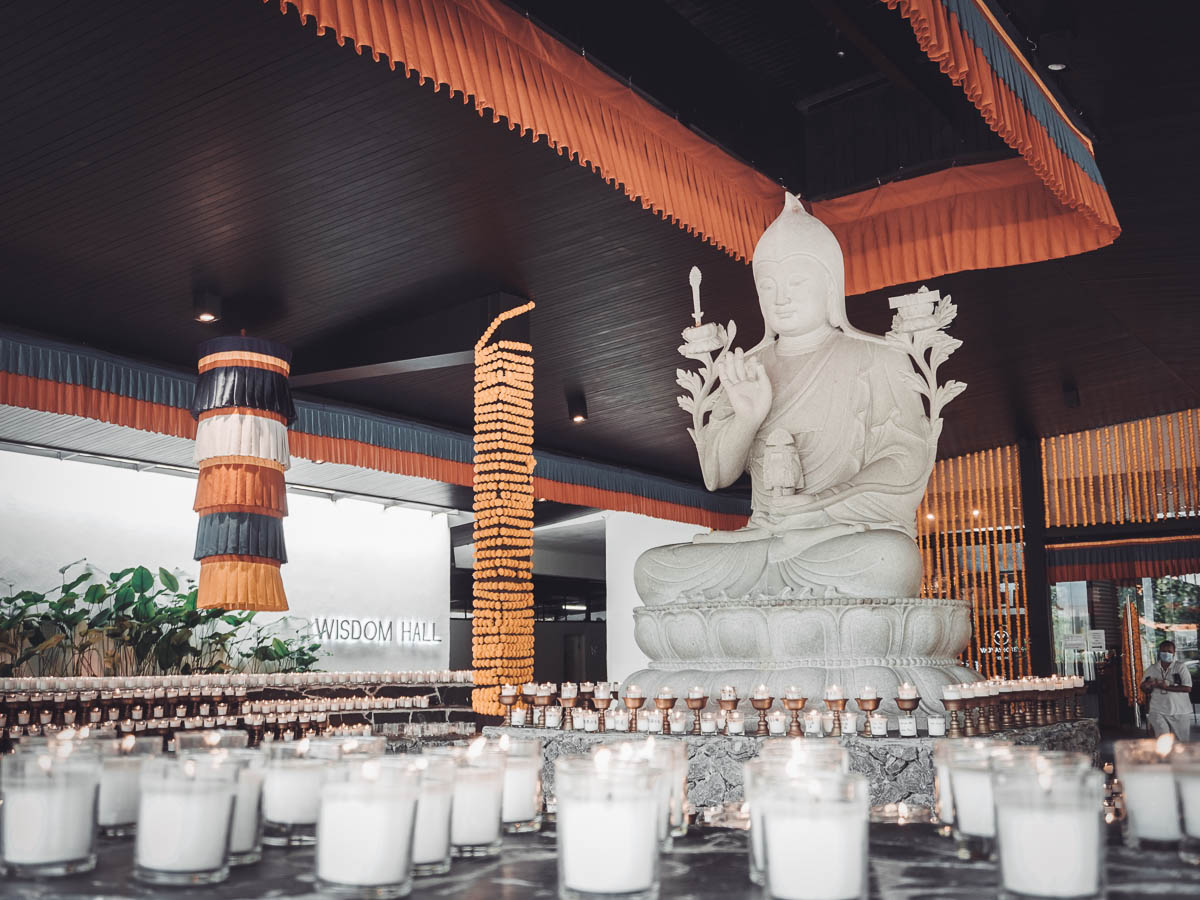
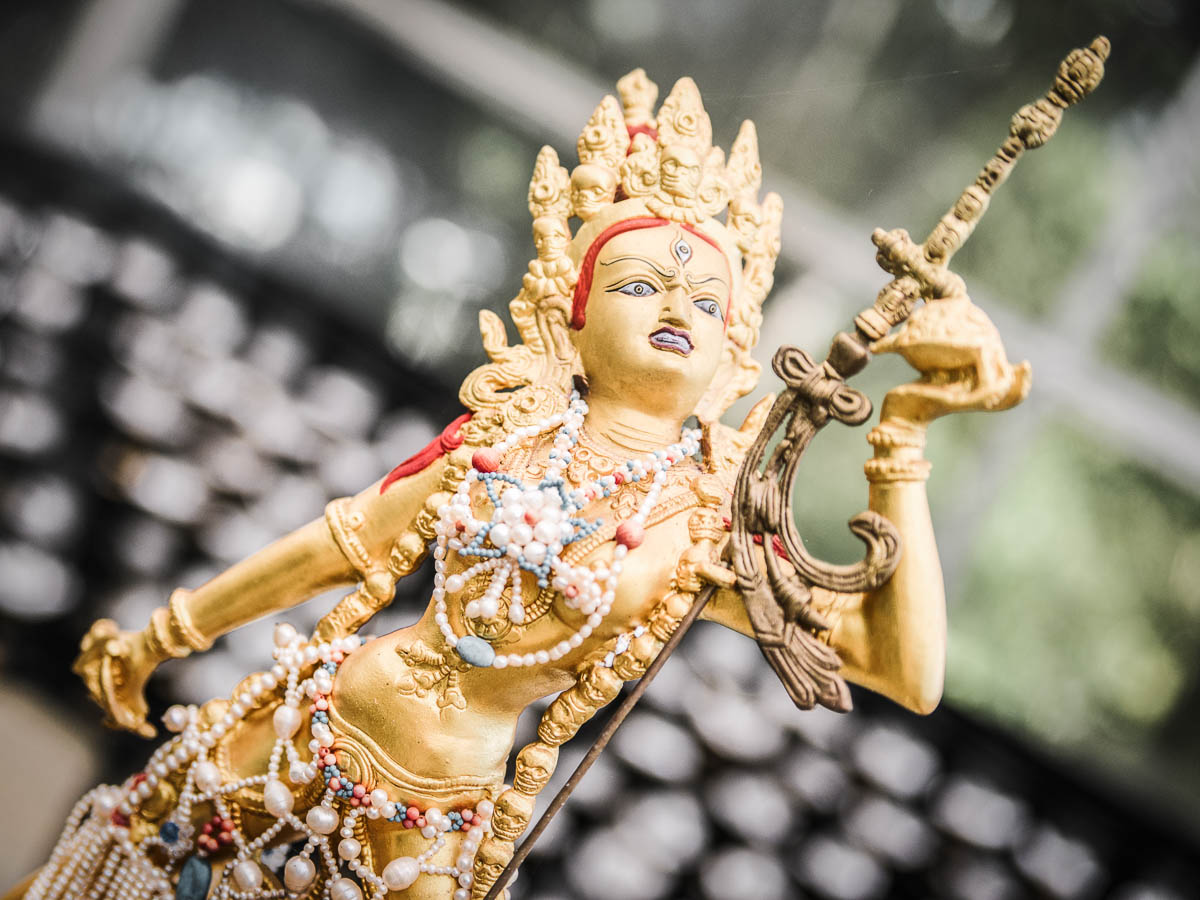
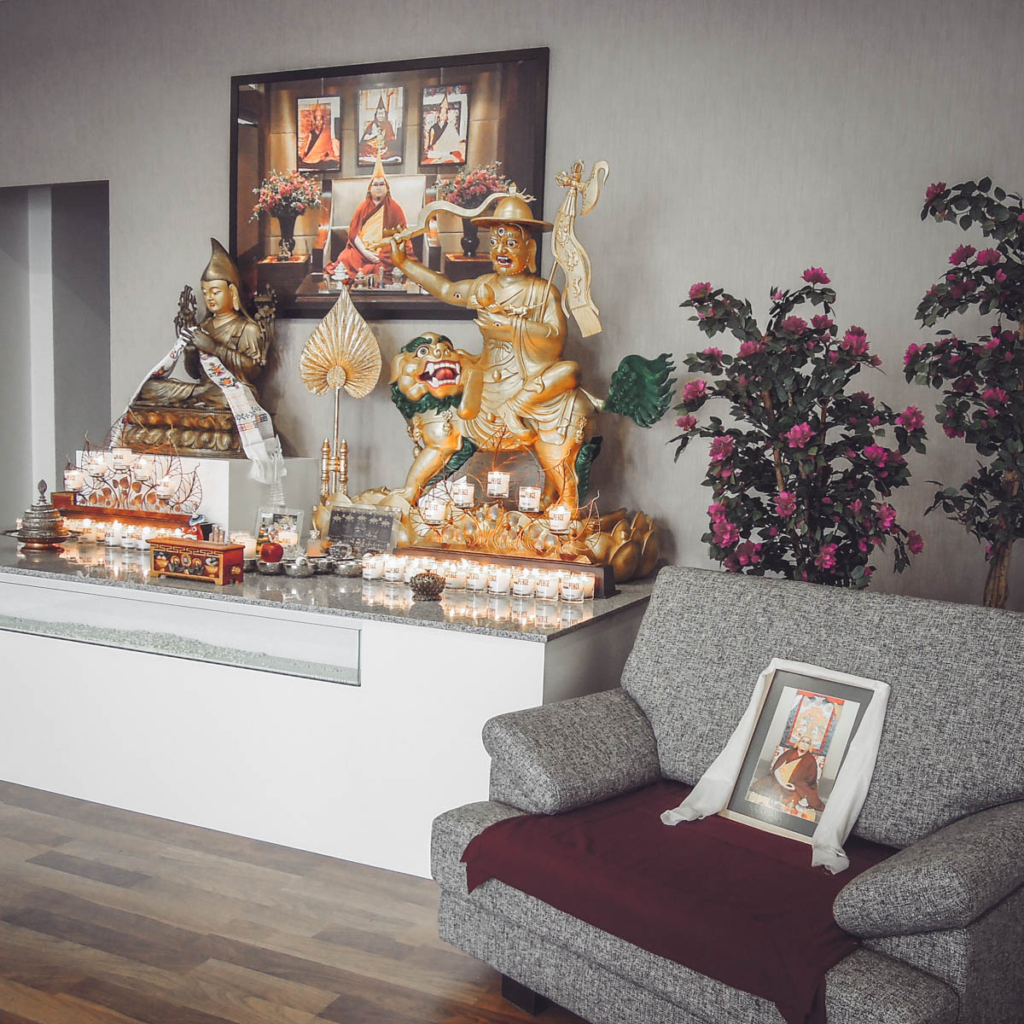
Main prayer hall with shrines to Lama Tsongkhapa, Vajrayogini and Protector Setrap
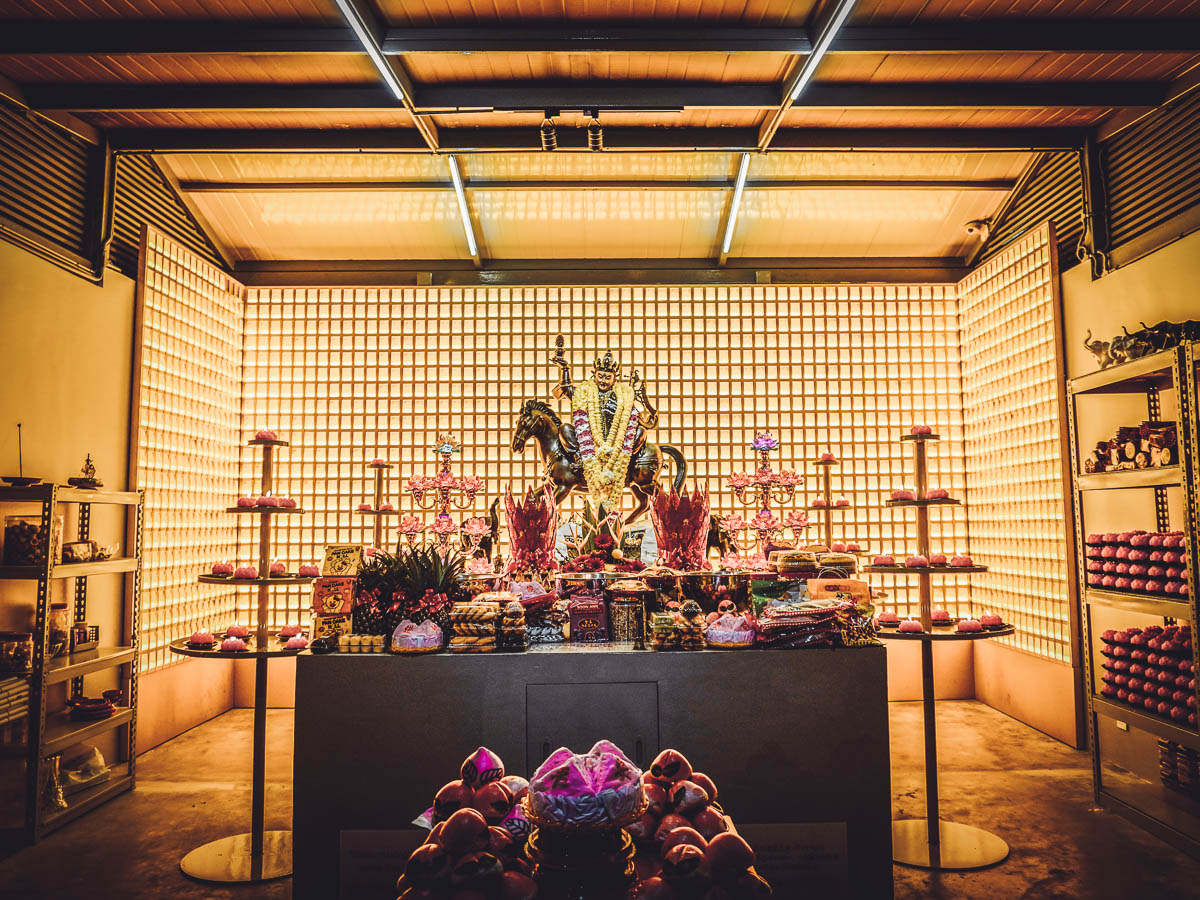
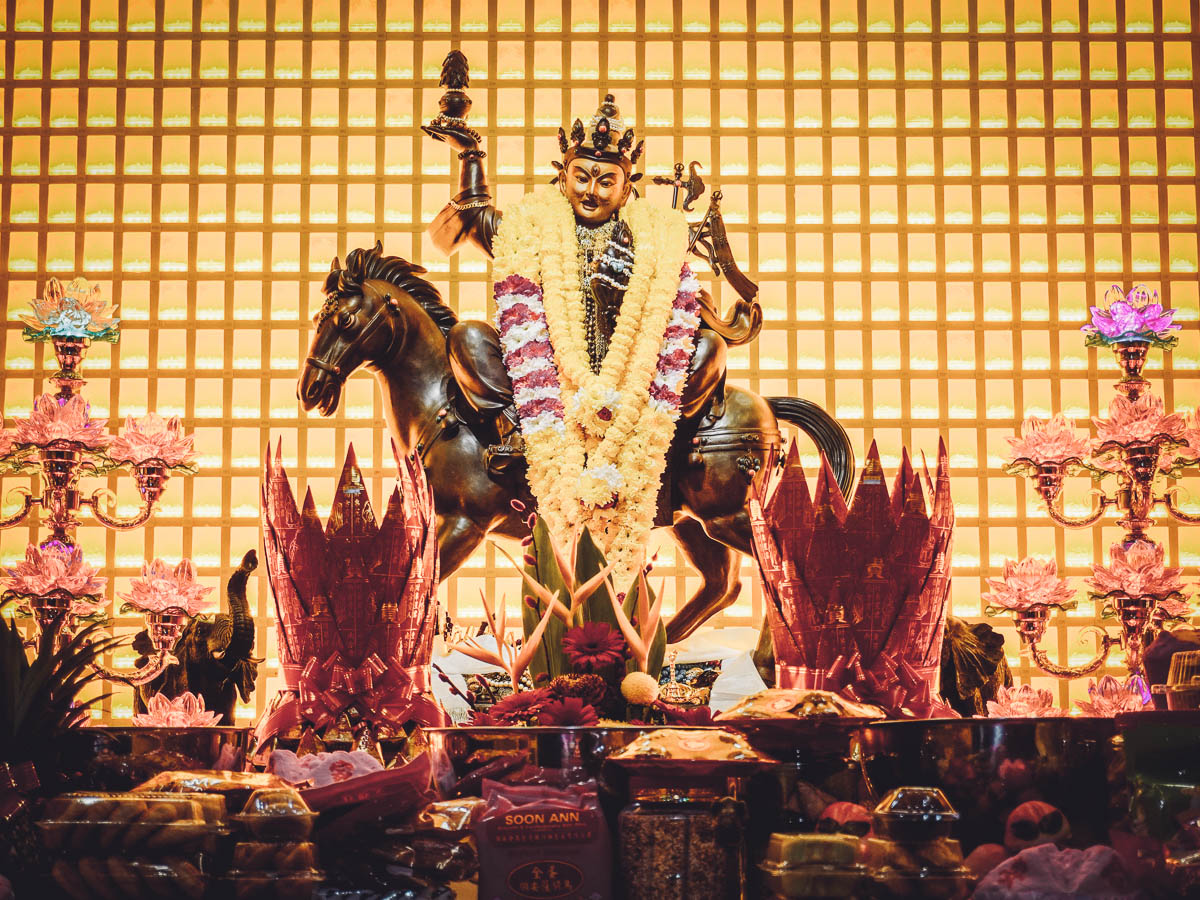
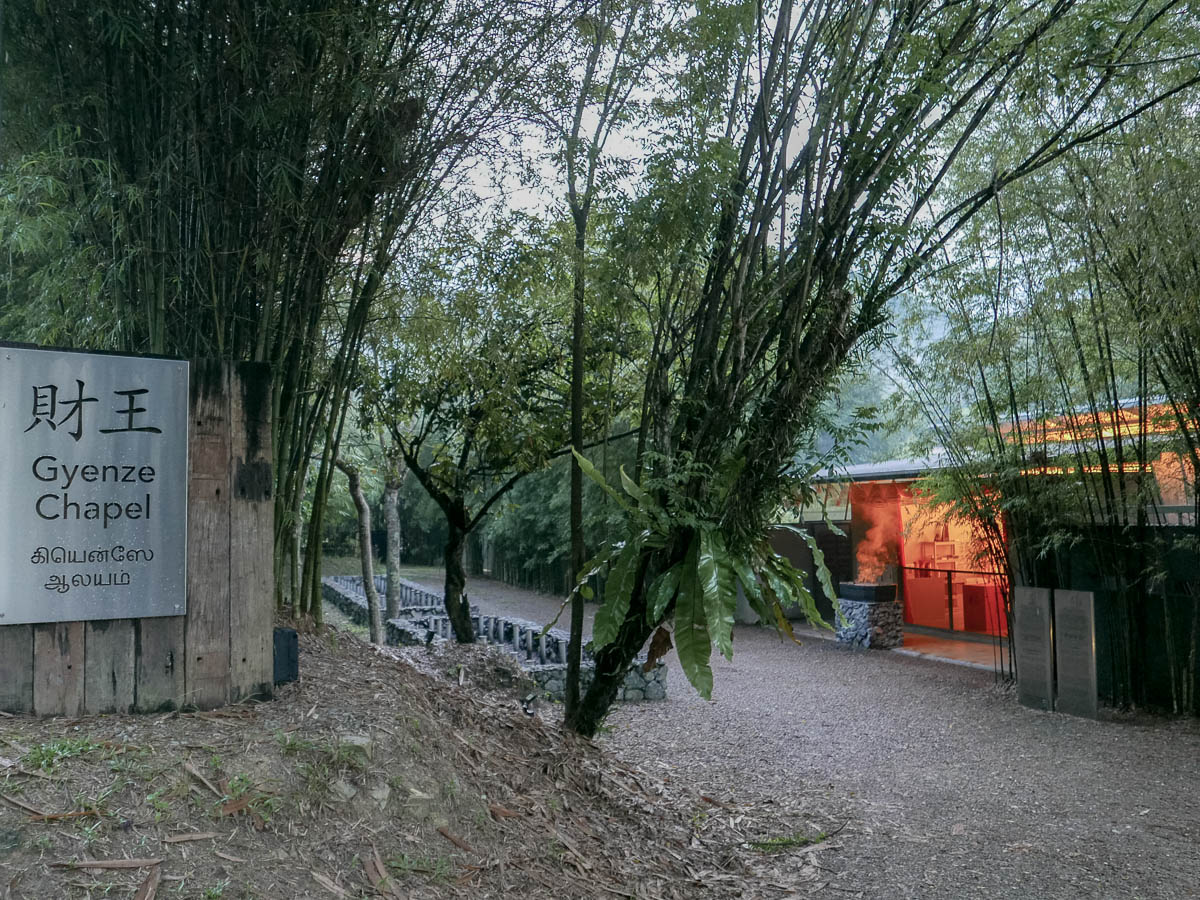
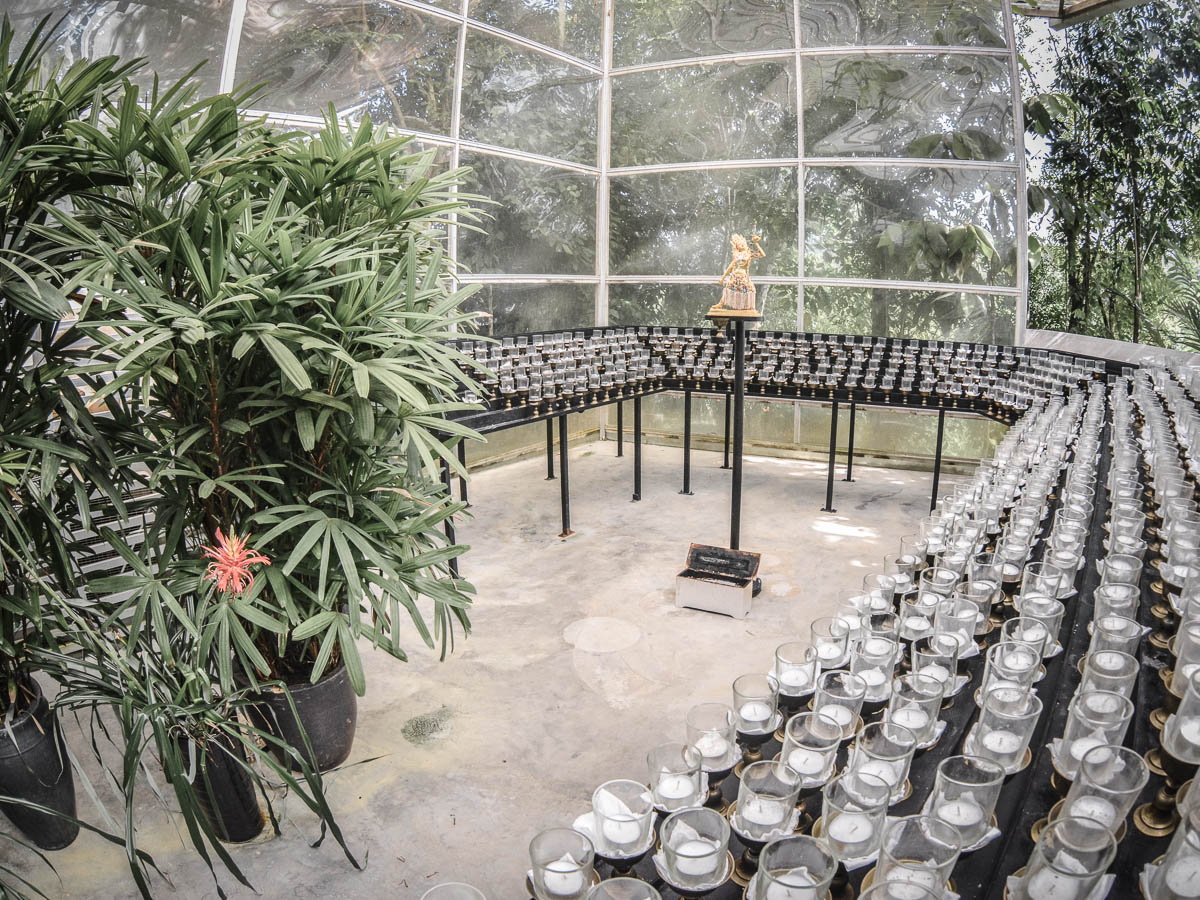
Dzambala chapel for prayers + offerings to the Buddha of Wealth
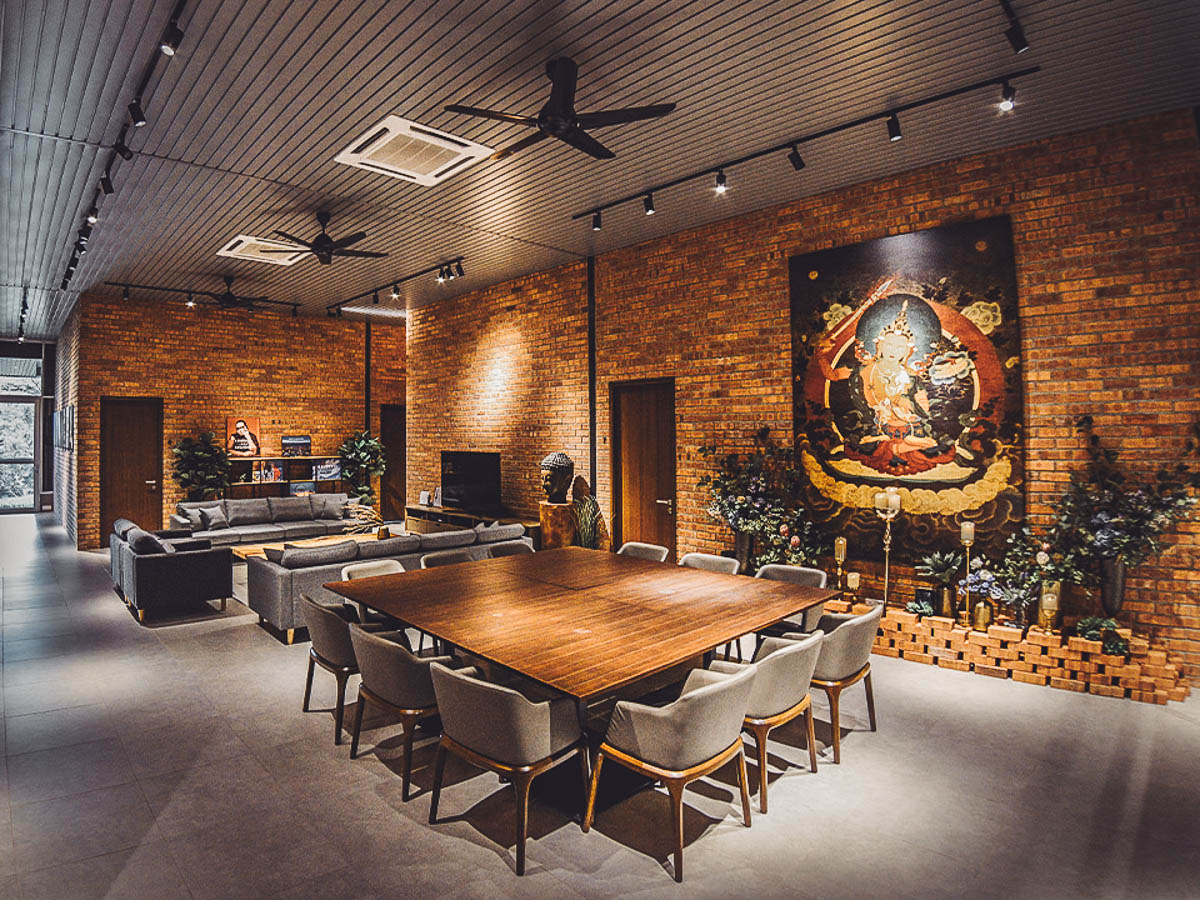
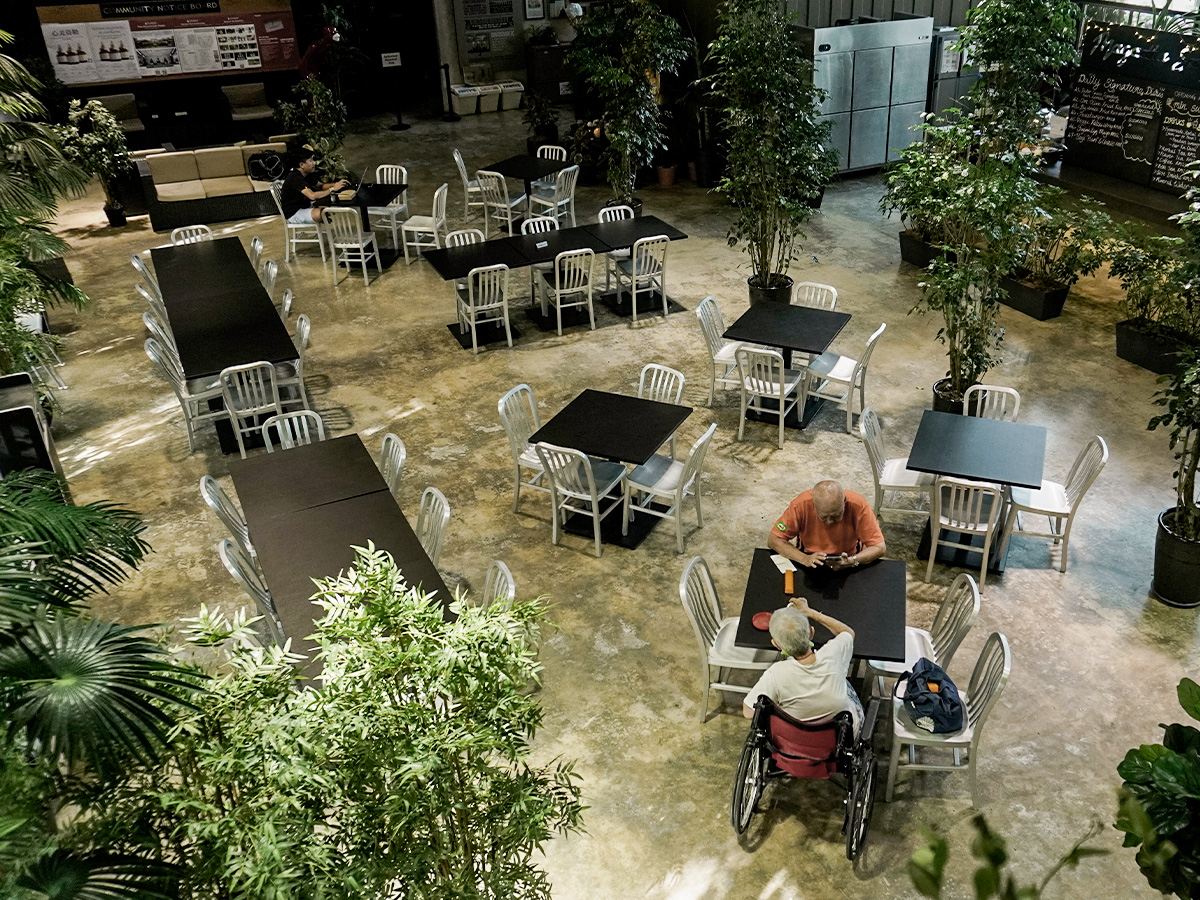
Multi-function hall for Dharma classes, informal get-togethers and social events
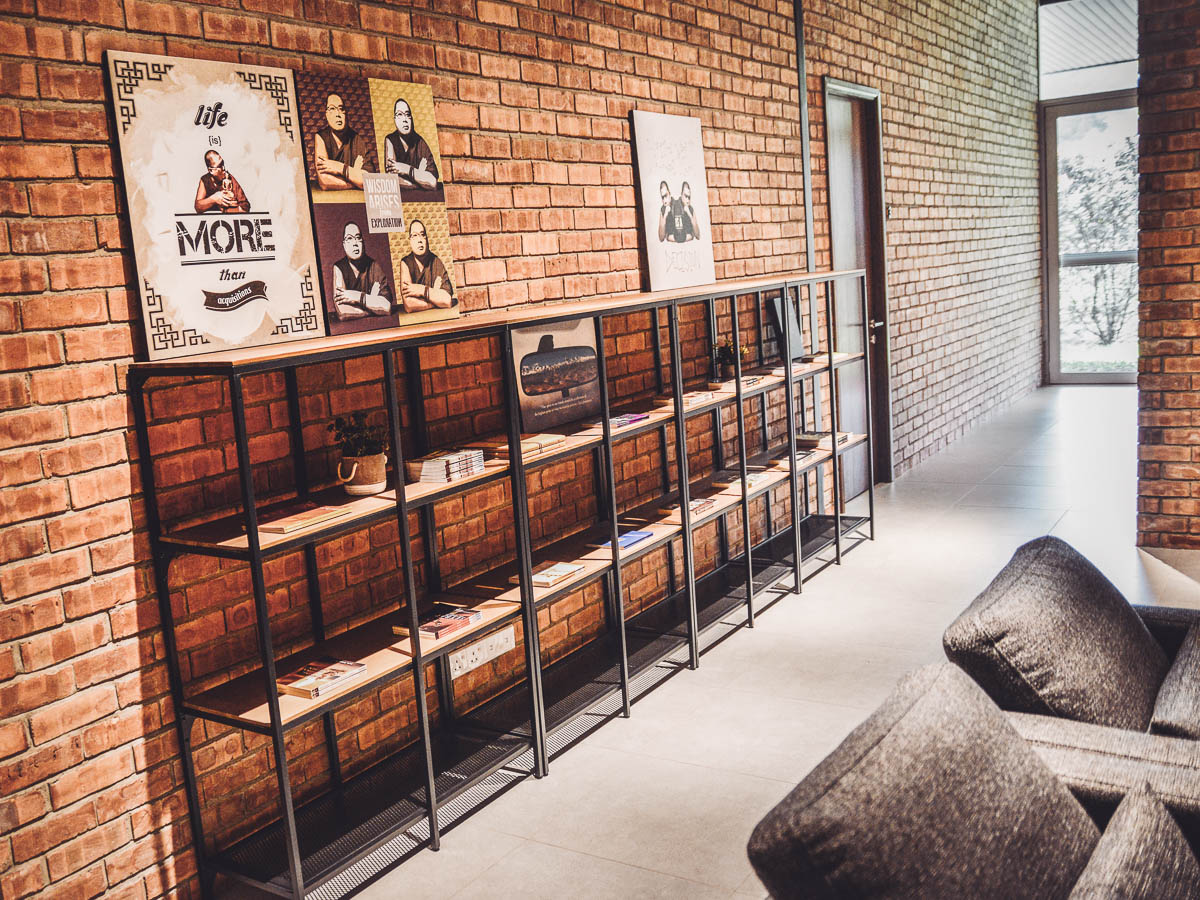
Dharma library for English, Chinese and Tibetan reference materials
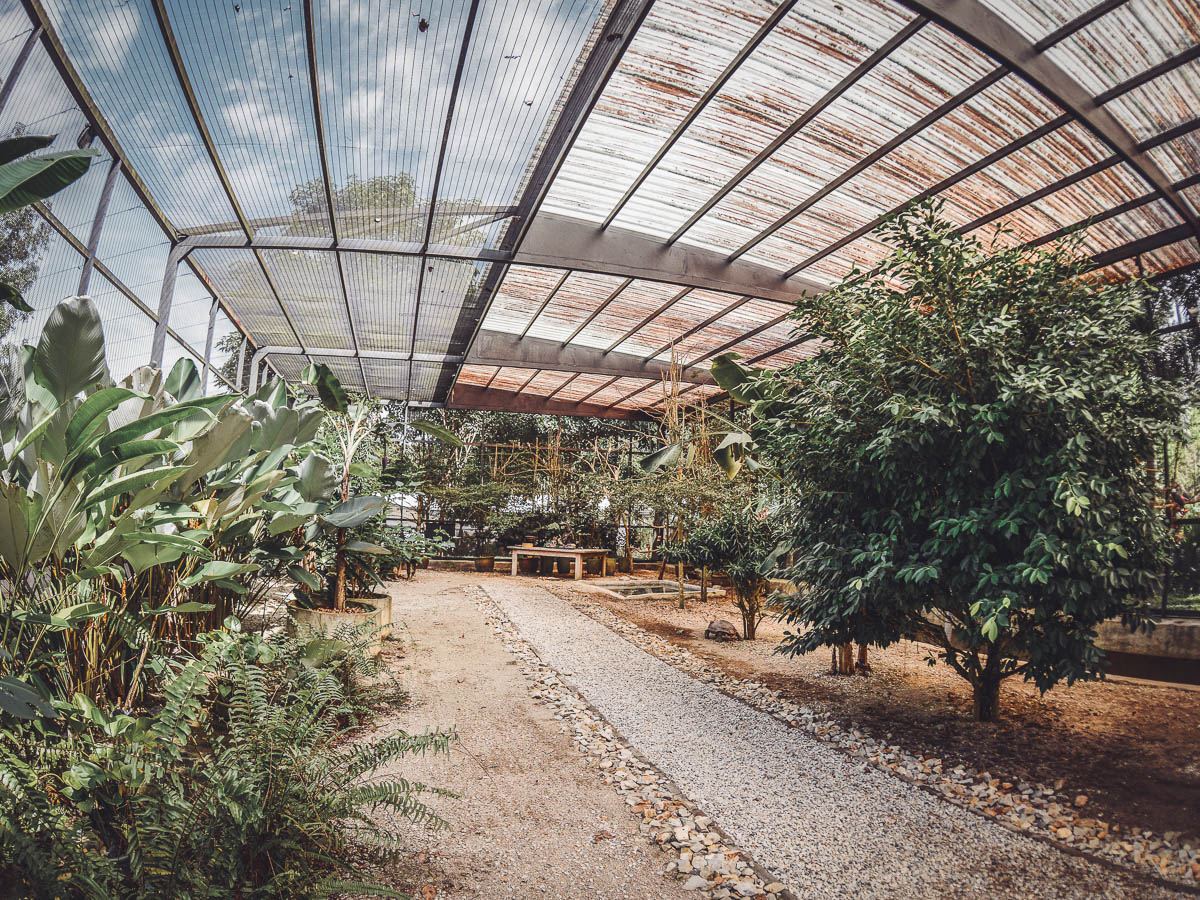
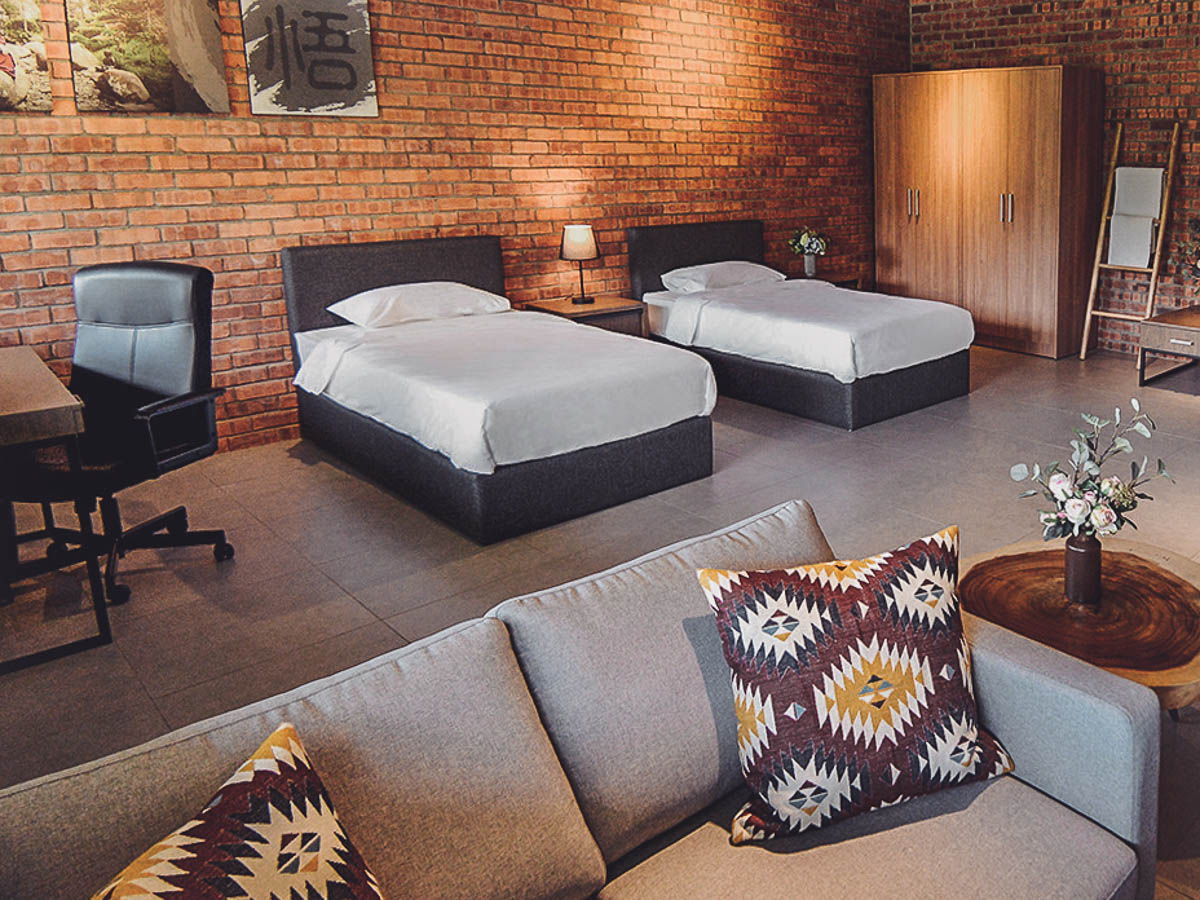
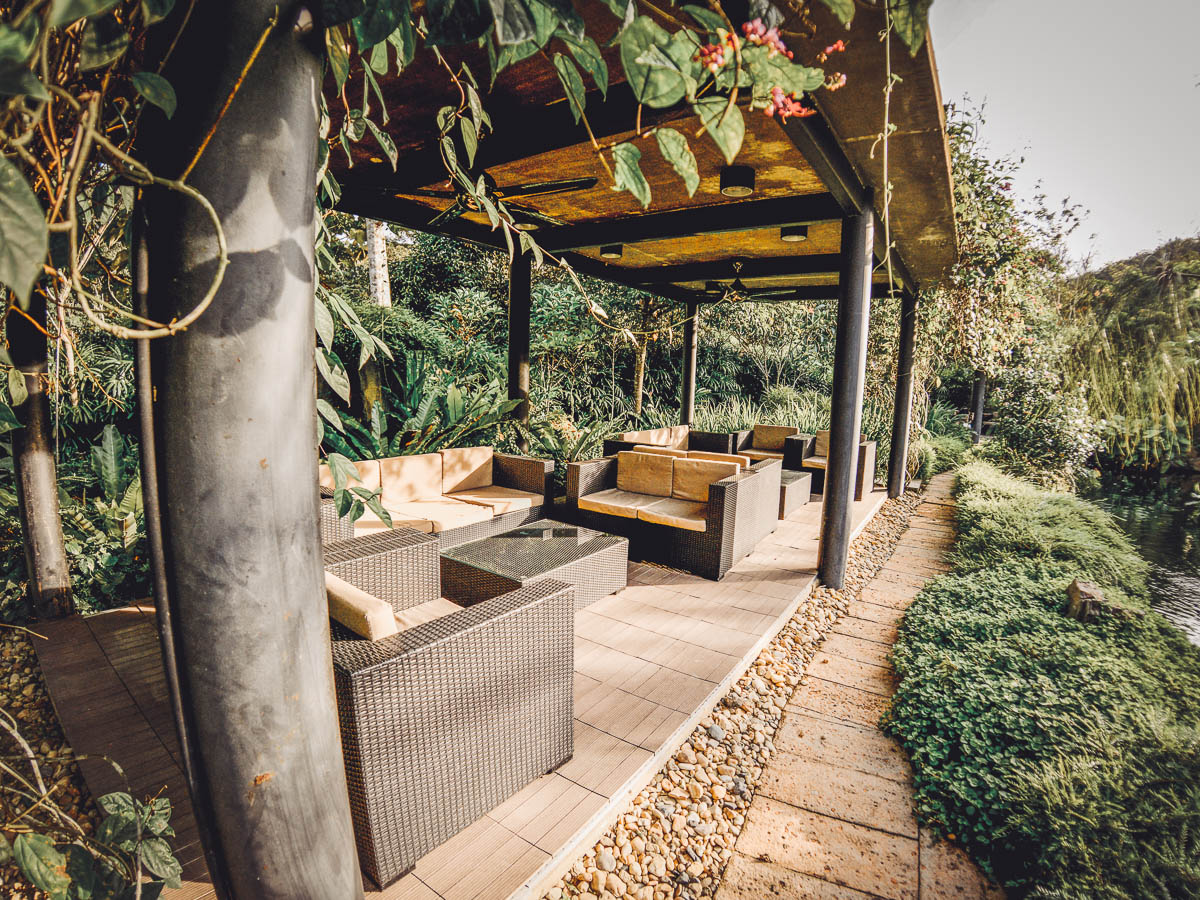
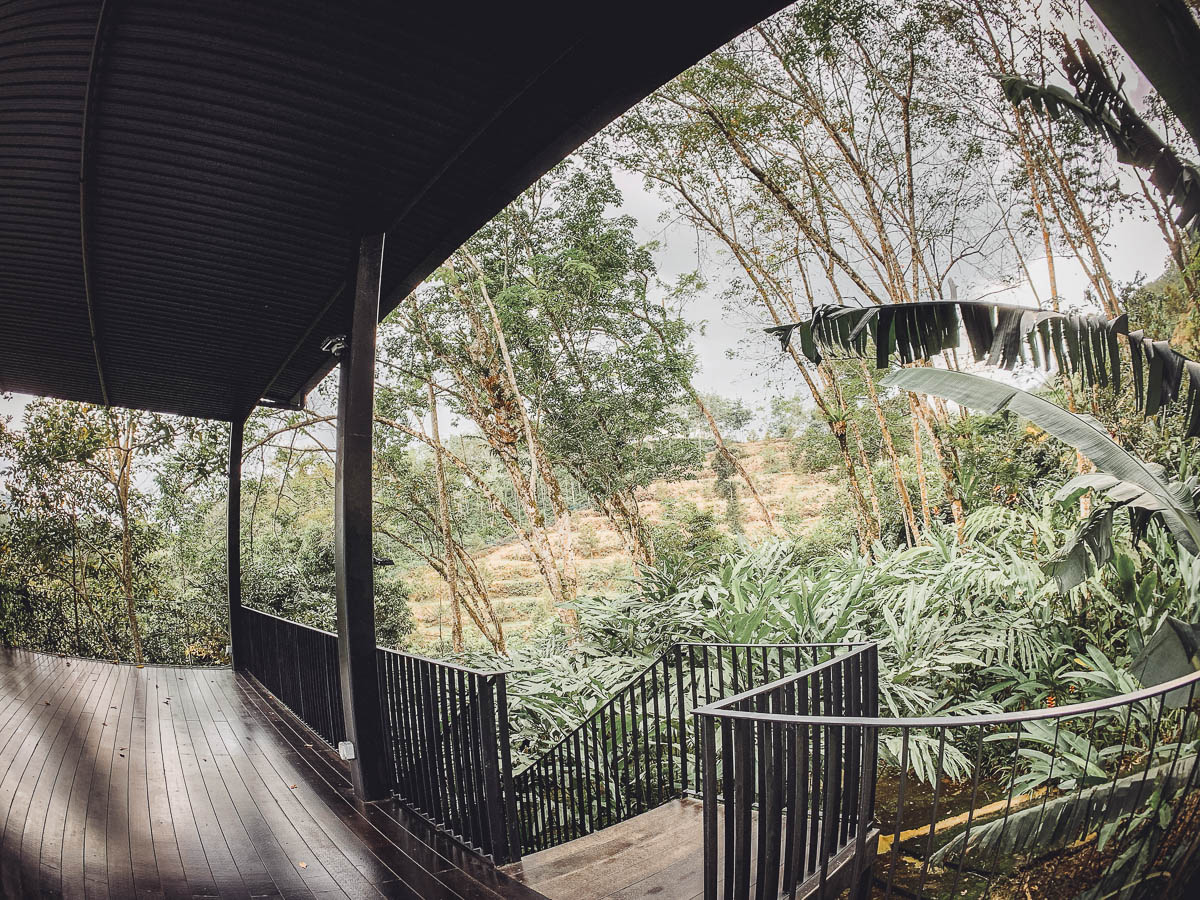
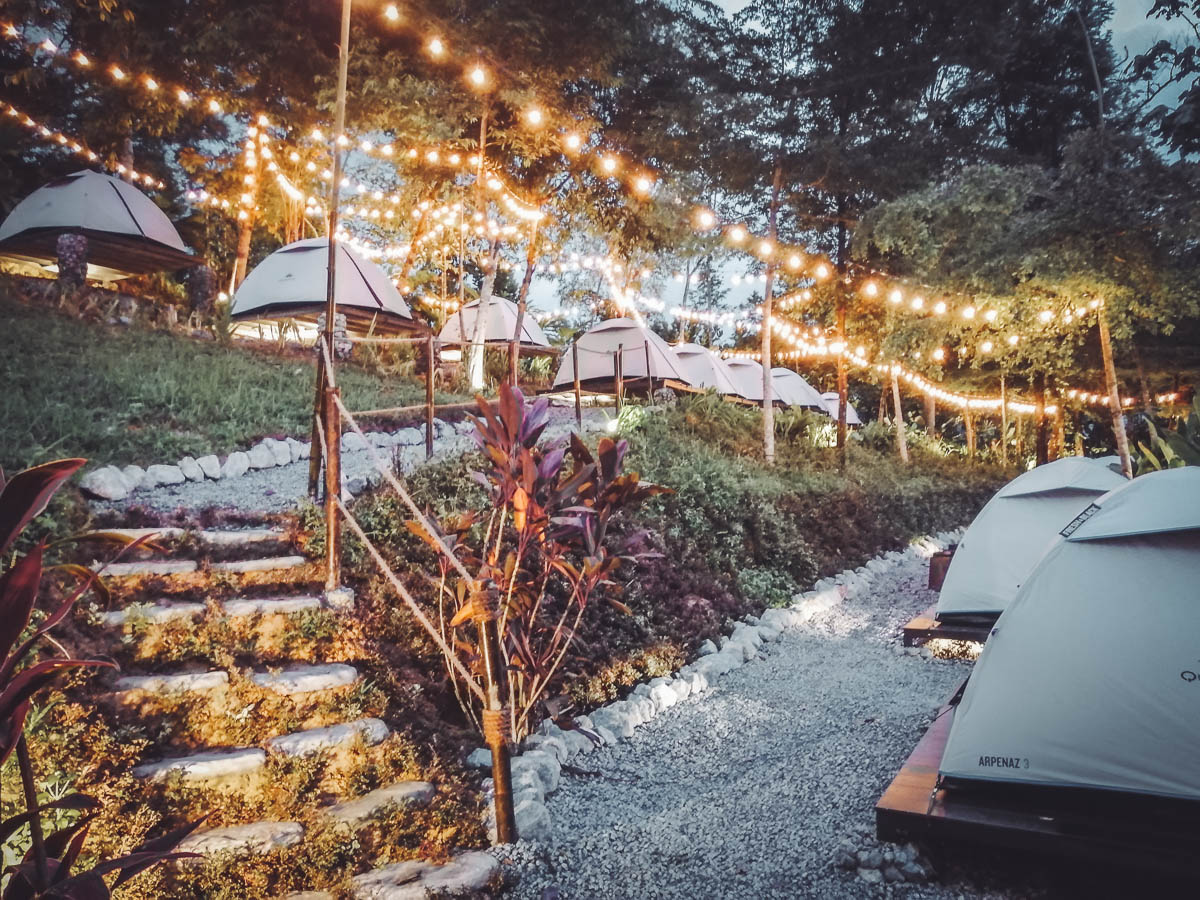
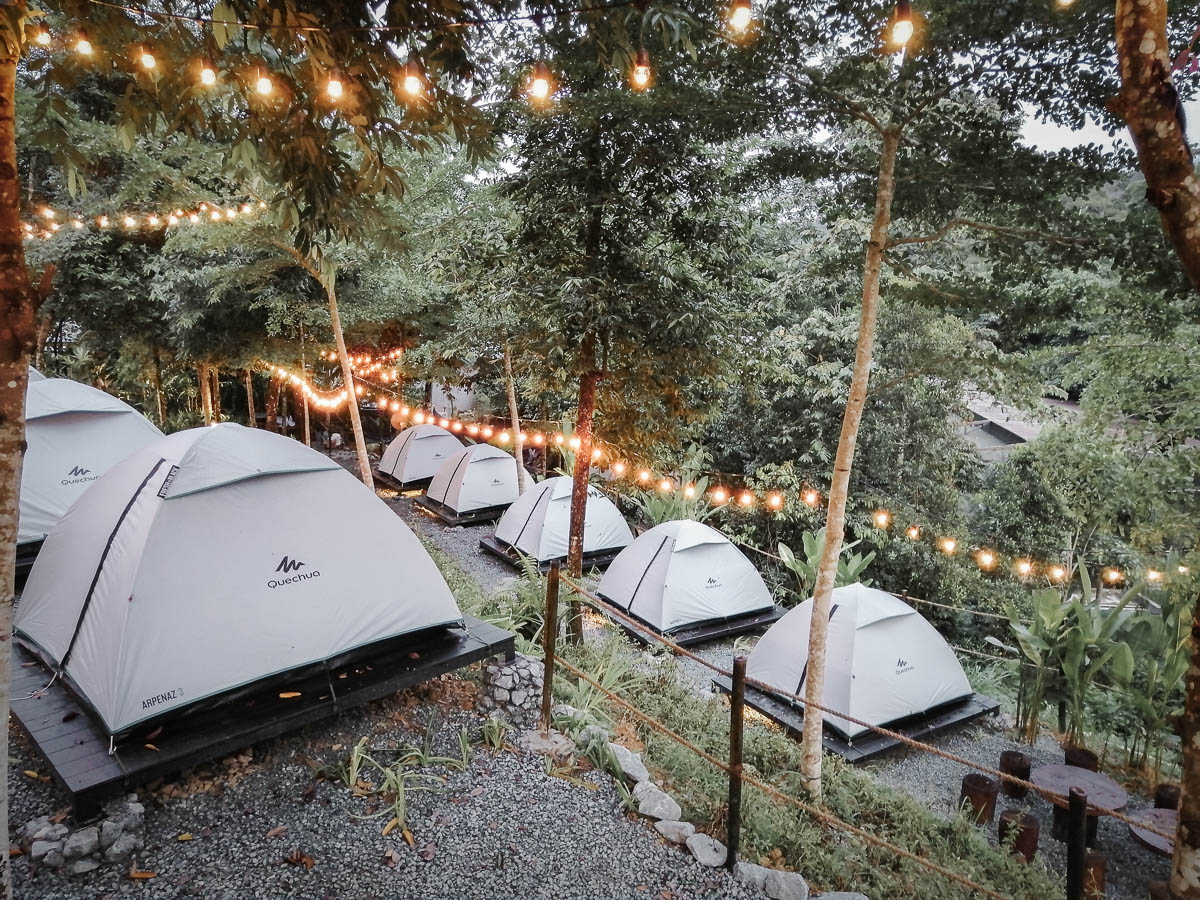
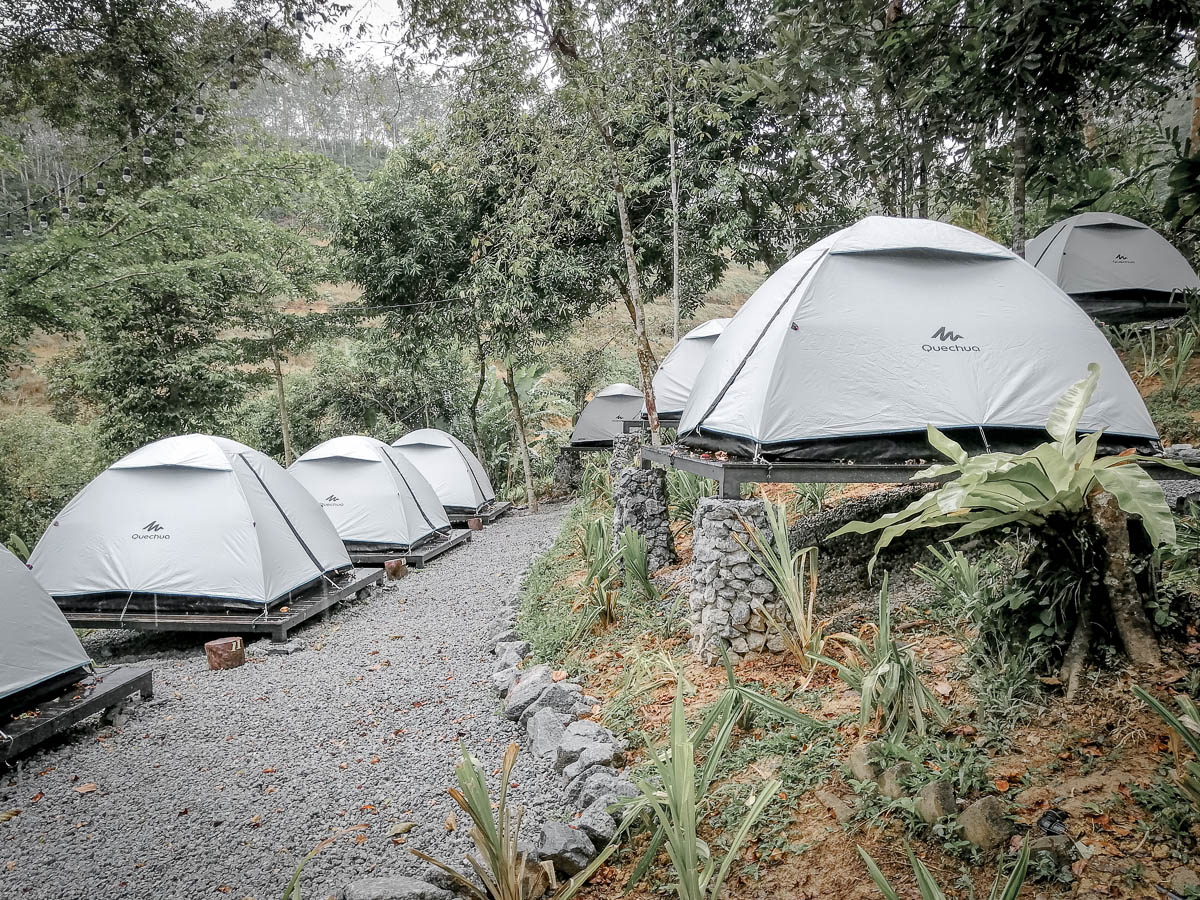
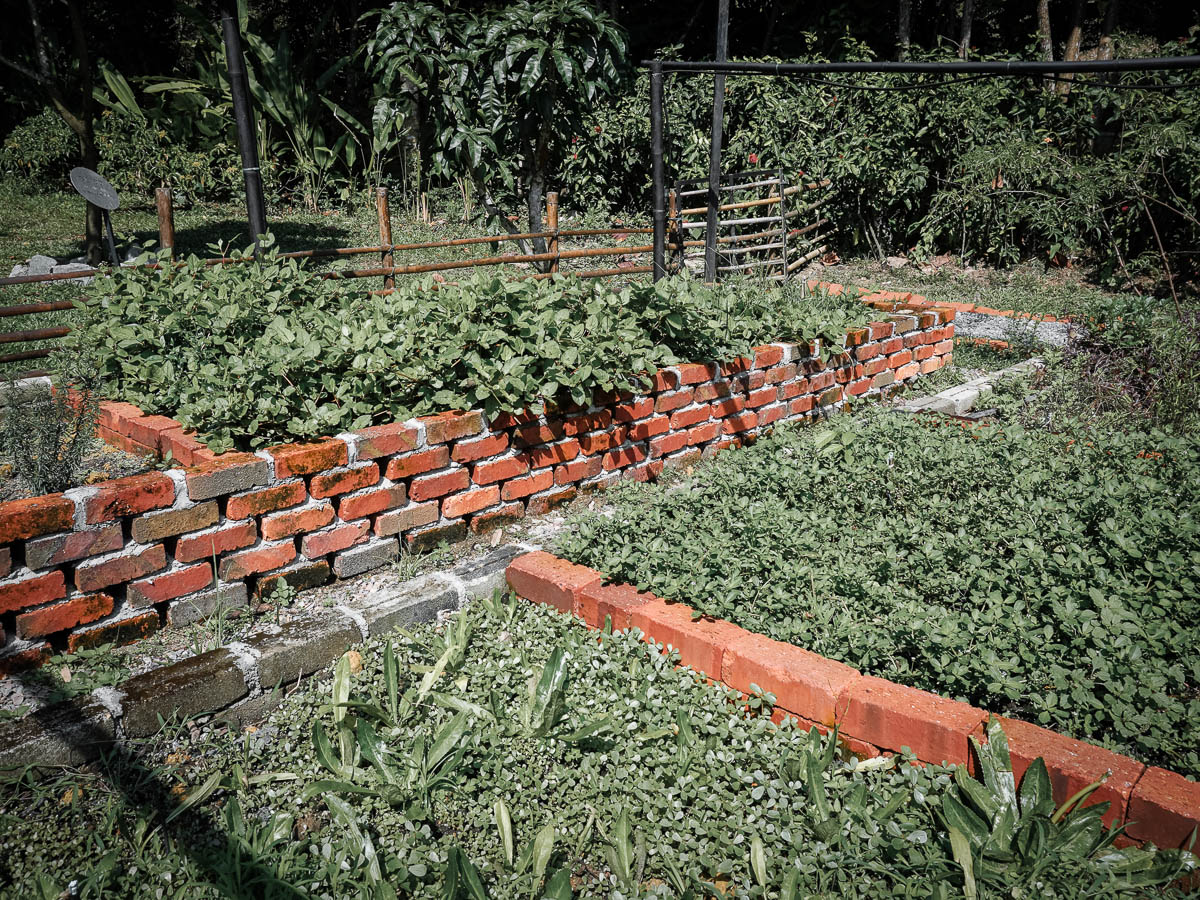
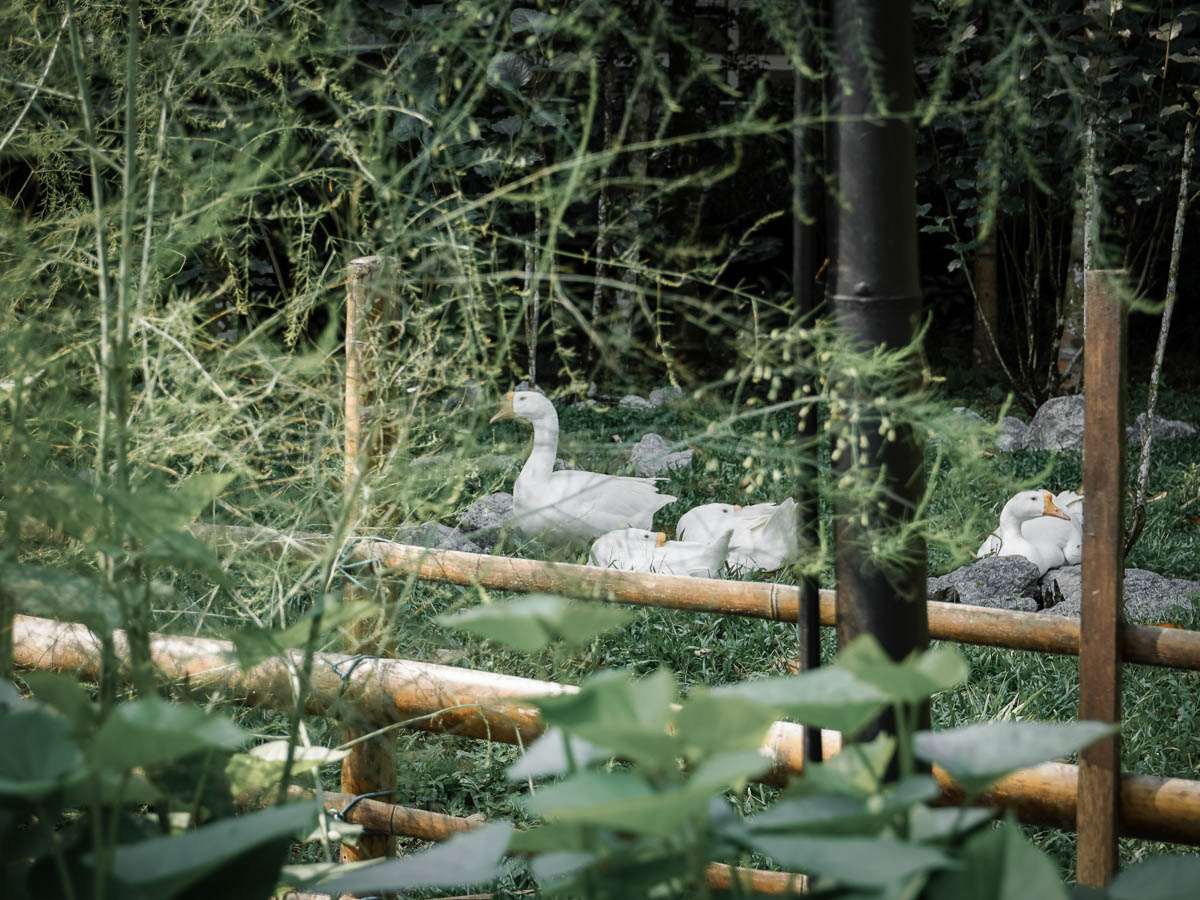
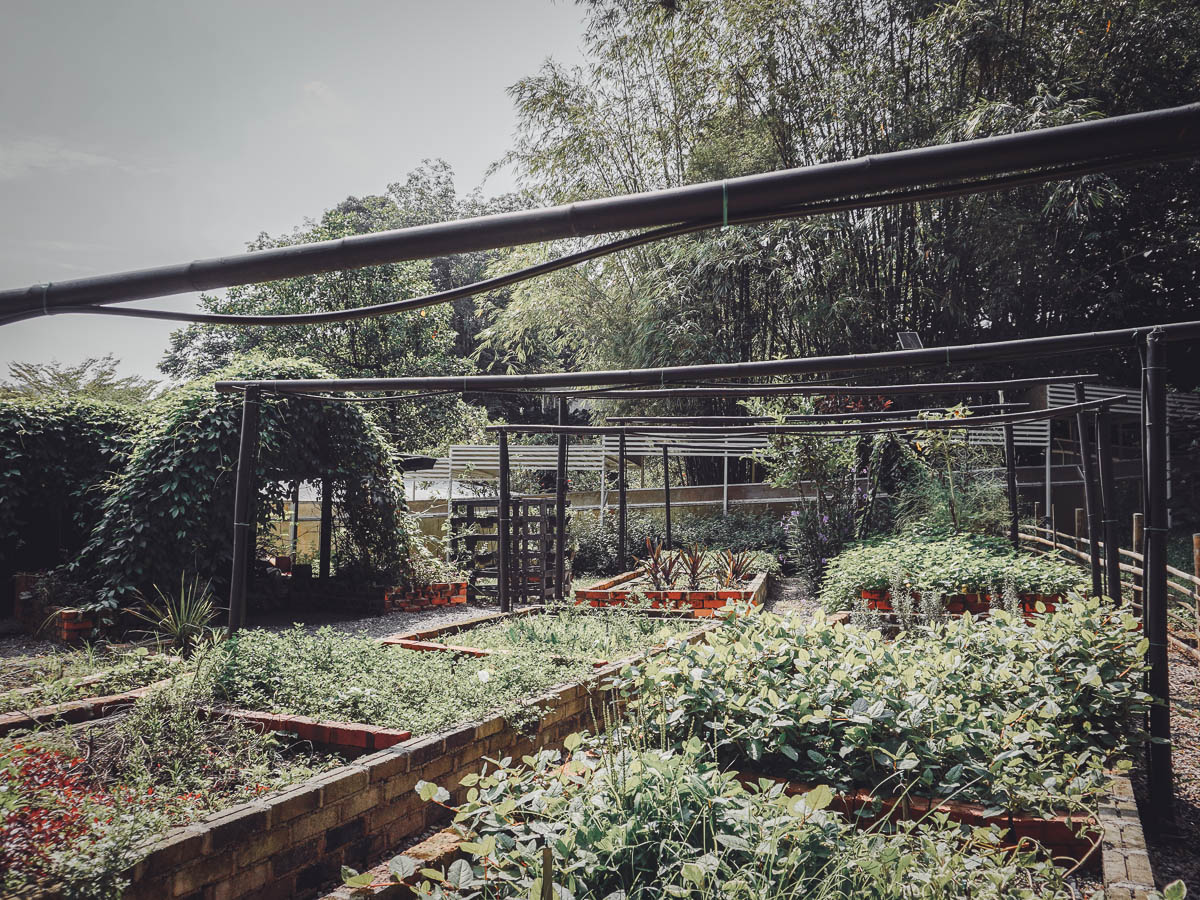
Since I was a young child, I wanted to create a place where people come together to live as one with nature, one with the earth; a place for healing, detoxification, contemplation, relaxation and retreat. An international centre for meditation courses not based on religion but tapping into ourselves and our potential. A place for eco-living modelled on sustainability and growth. This project is Kechara Forest Retreat and it will be a space to inspire the world to do the same in their own communities.
— Tsem Rinpoche —
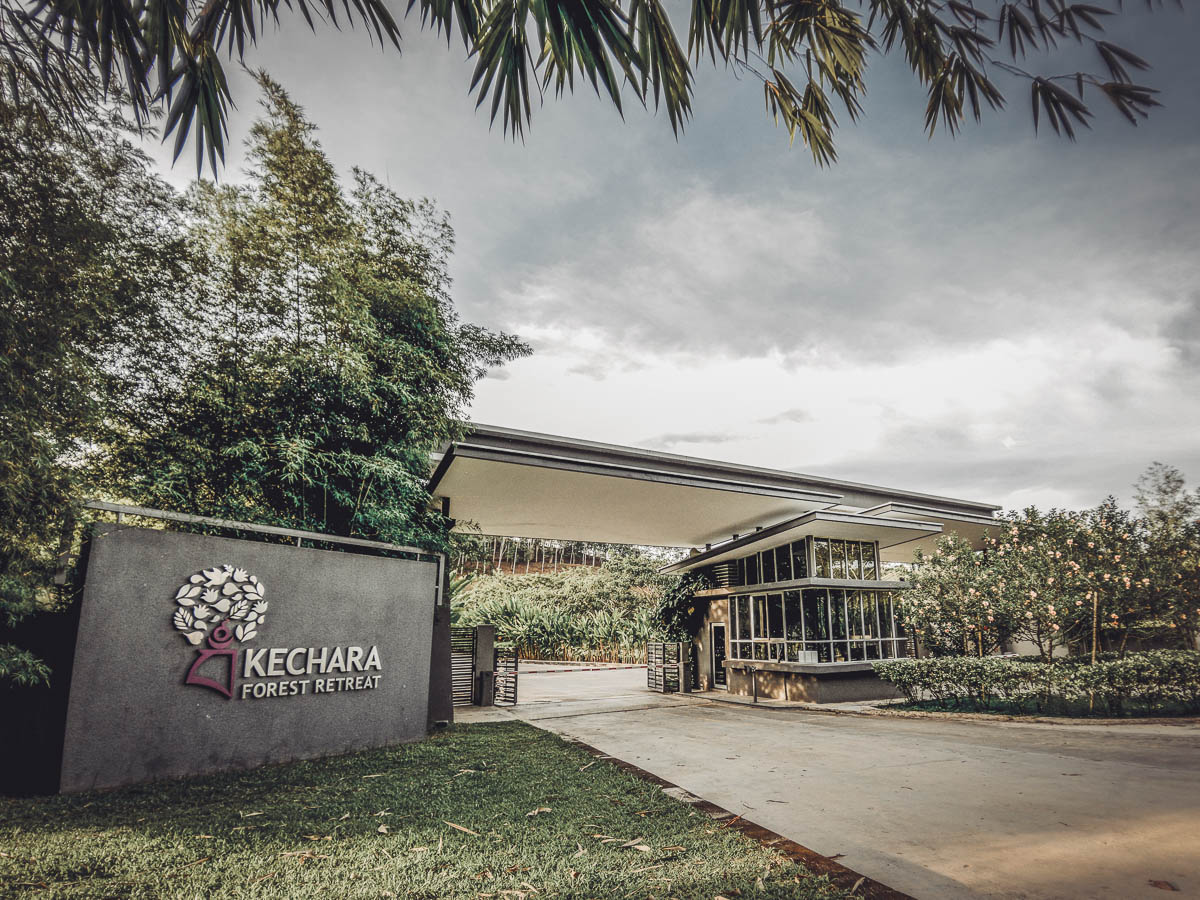
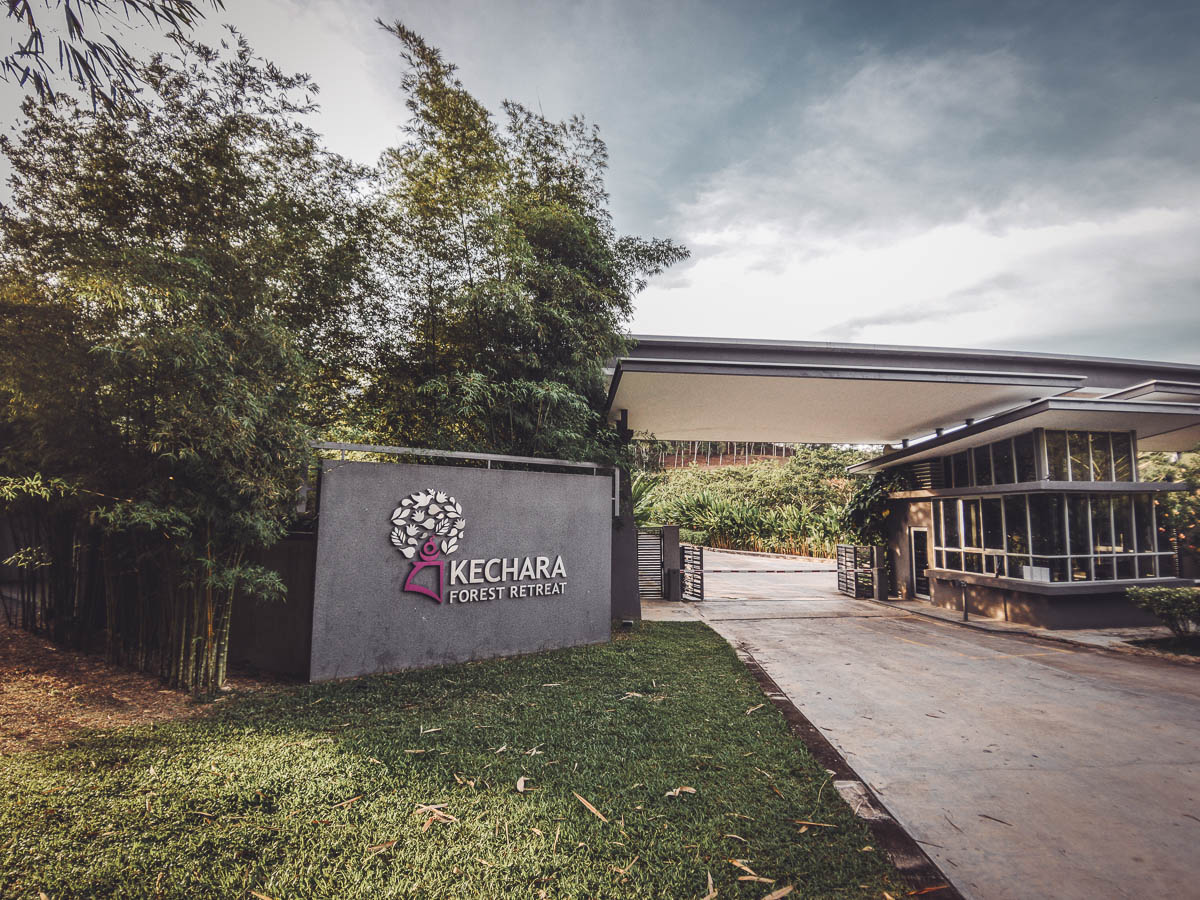
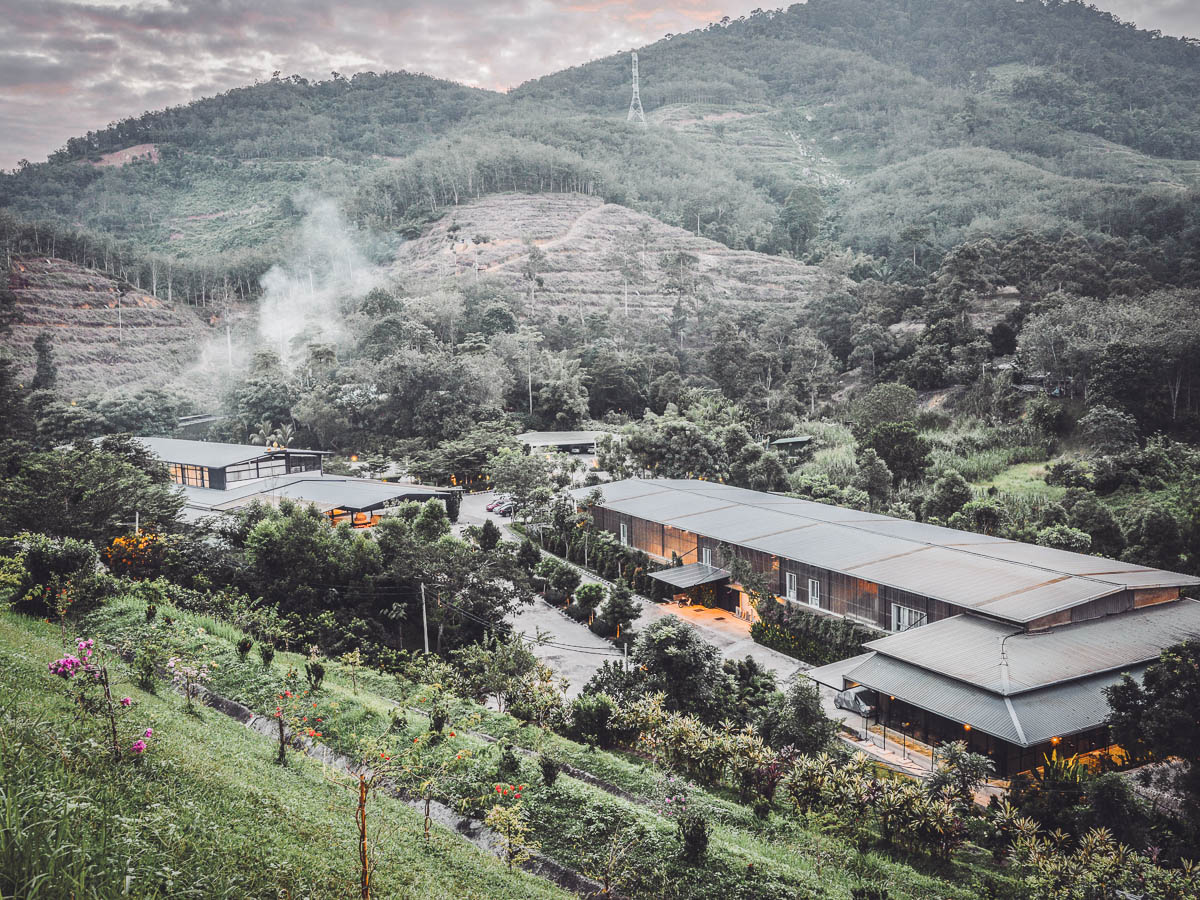
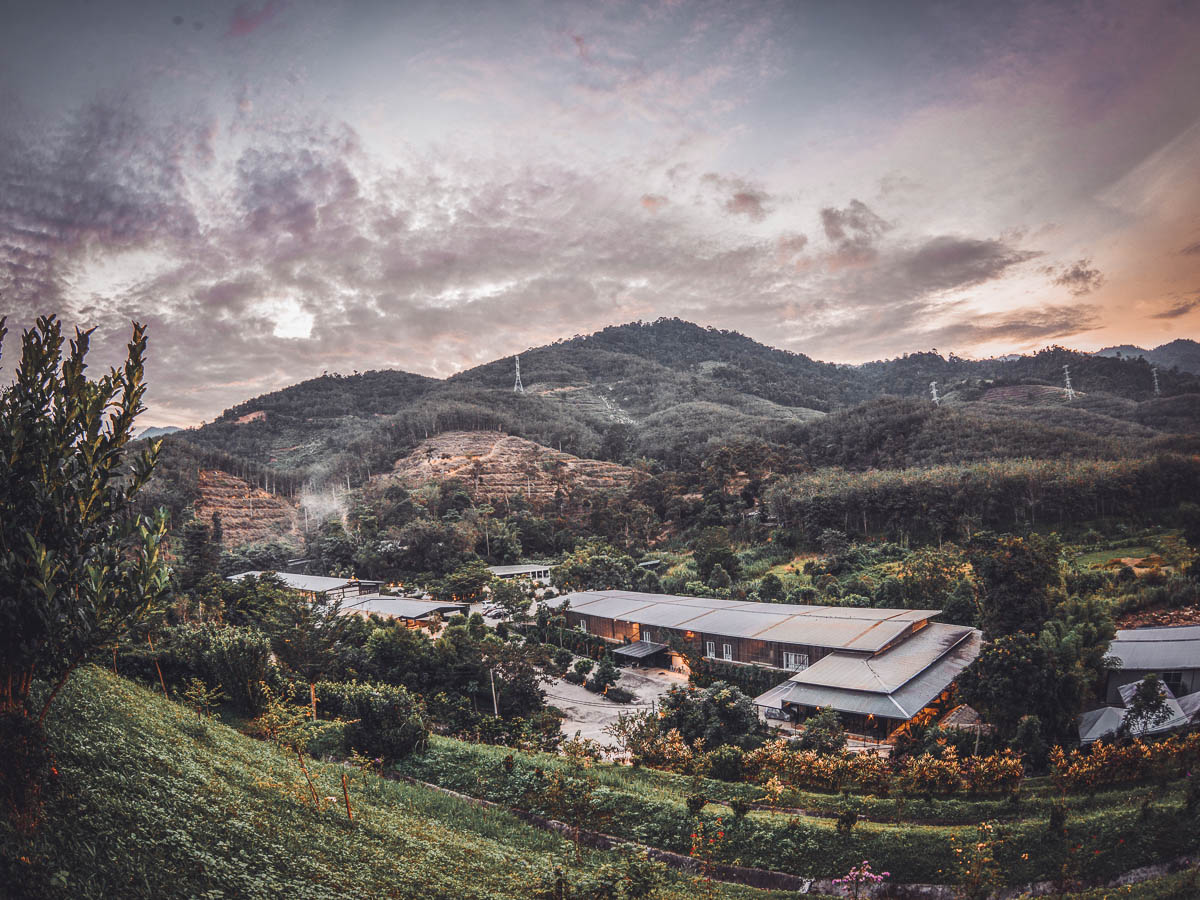
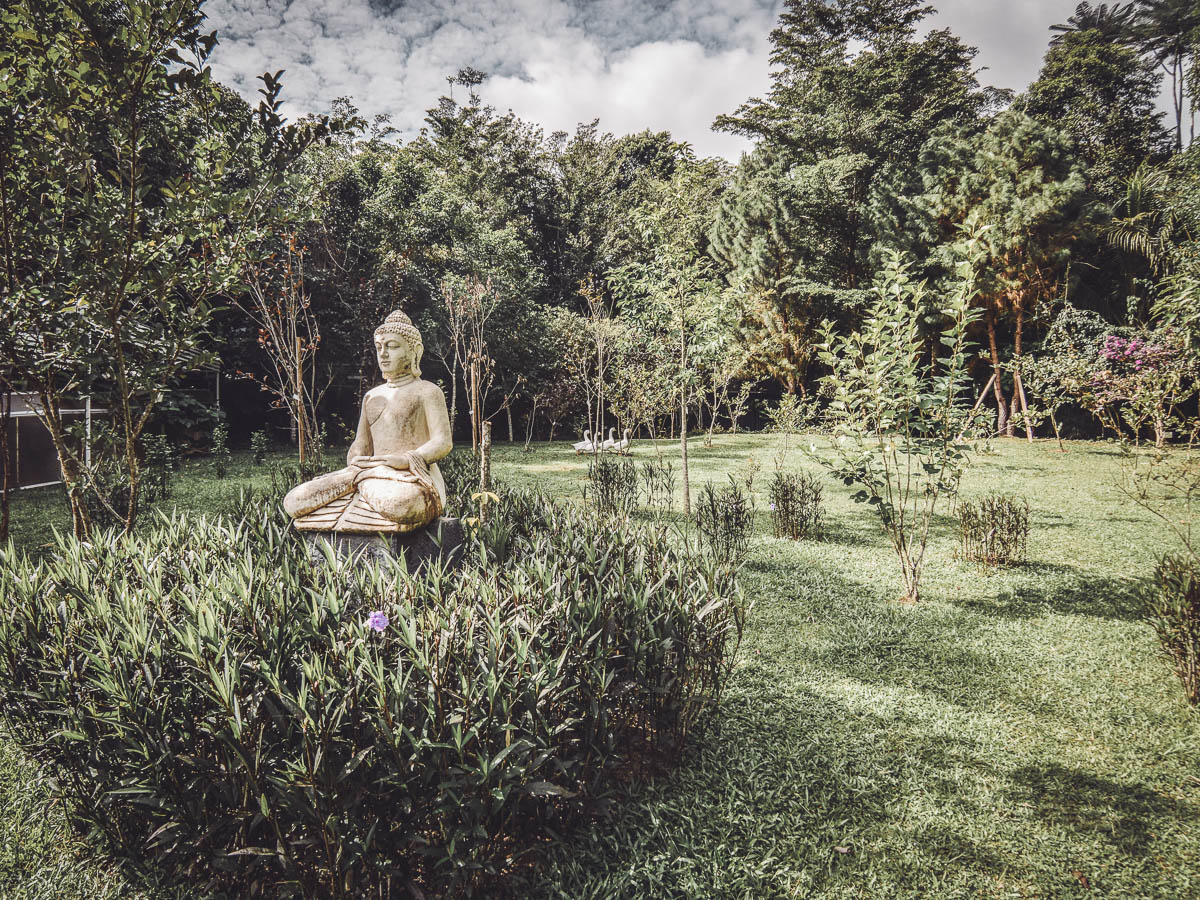
Since our inception in 2012, Kechara Forest Retreat has grown to become a renowned Tibetan Buddhist Retreat and Wellness centre, known for result-focused spiritual and meditational programmes.
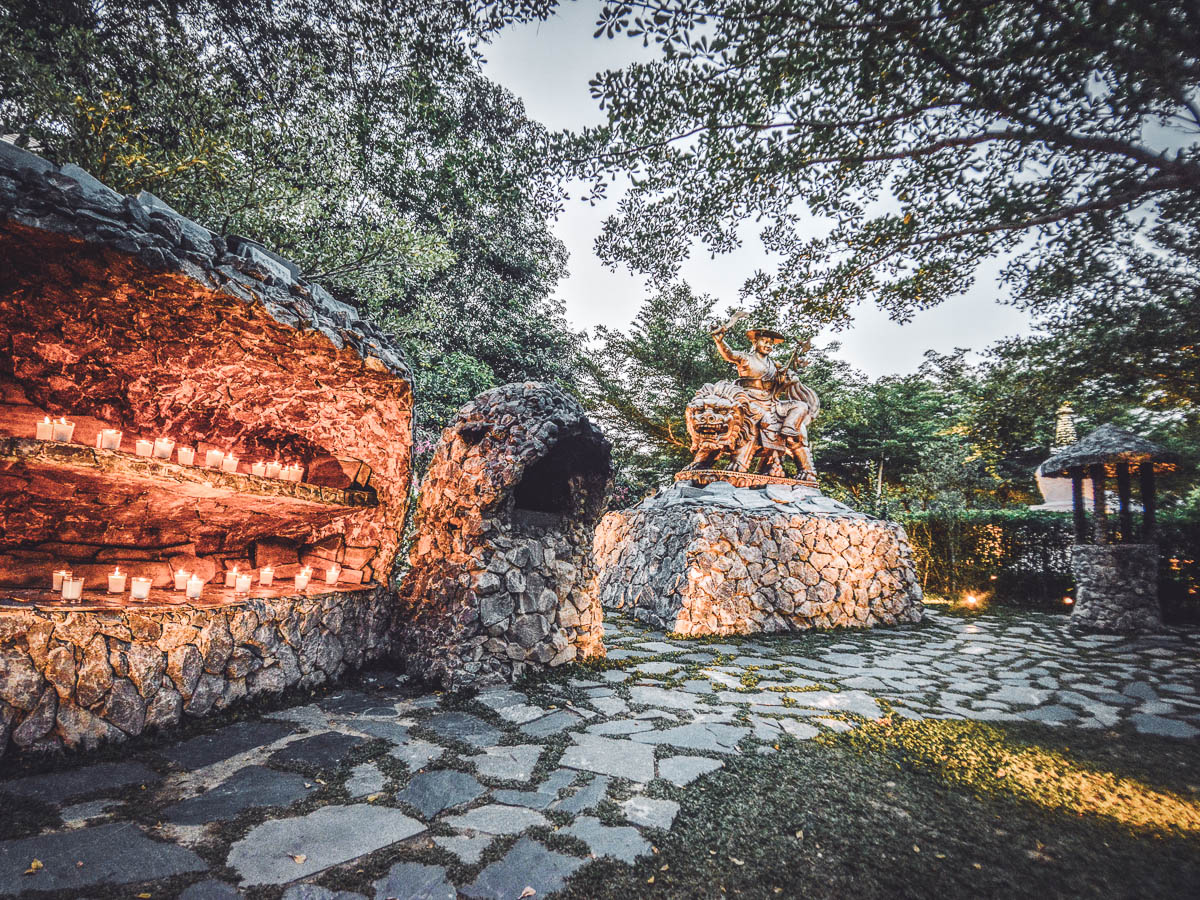
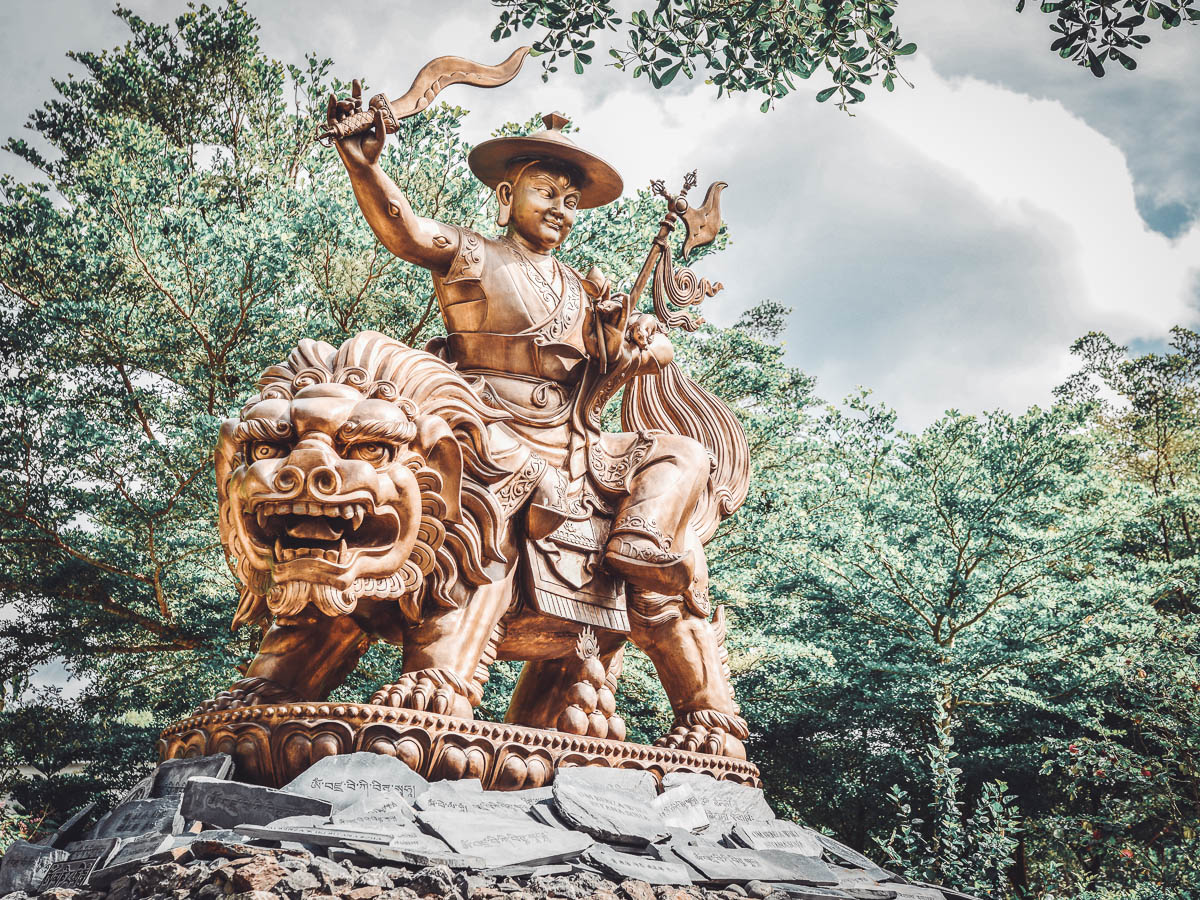
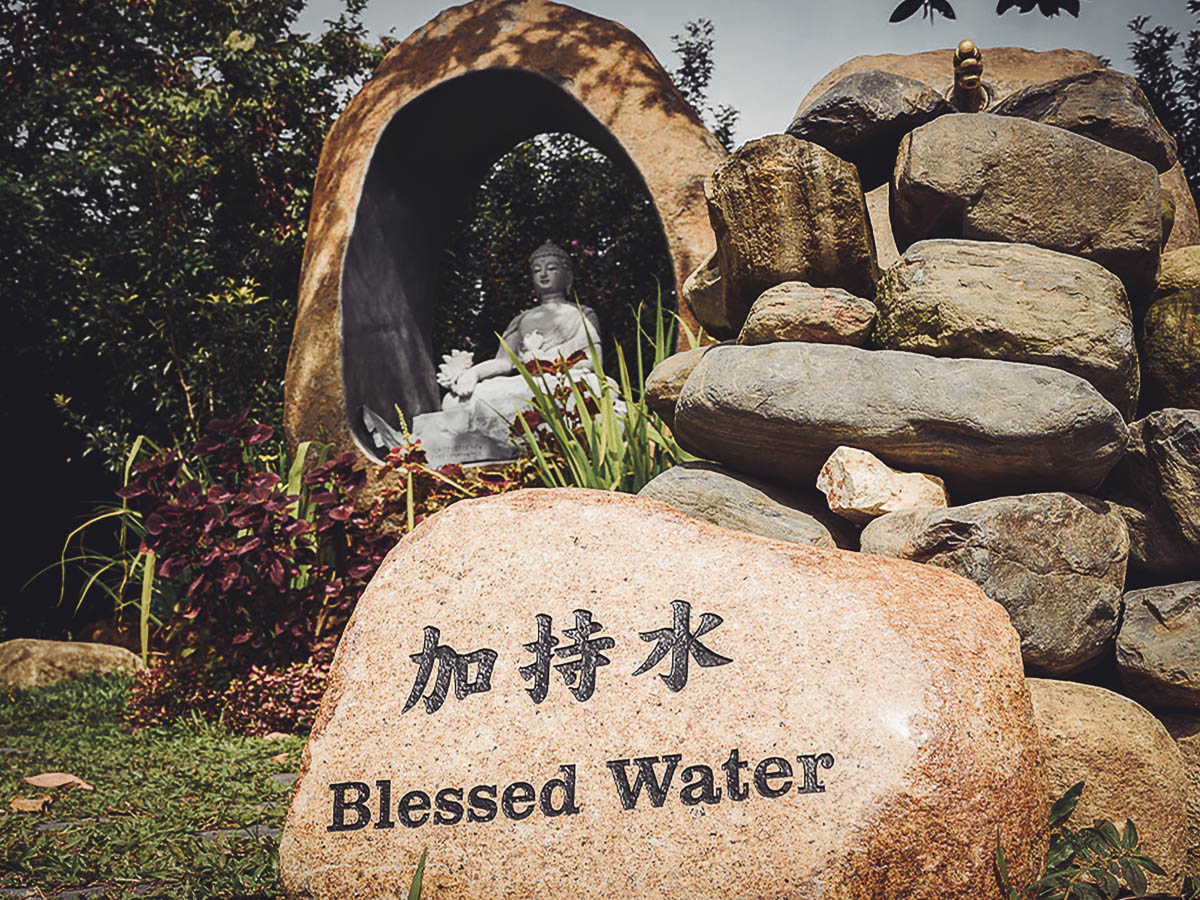
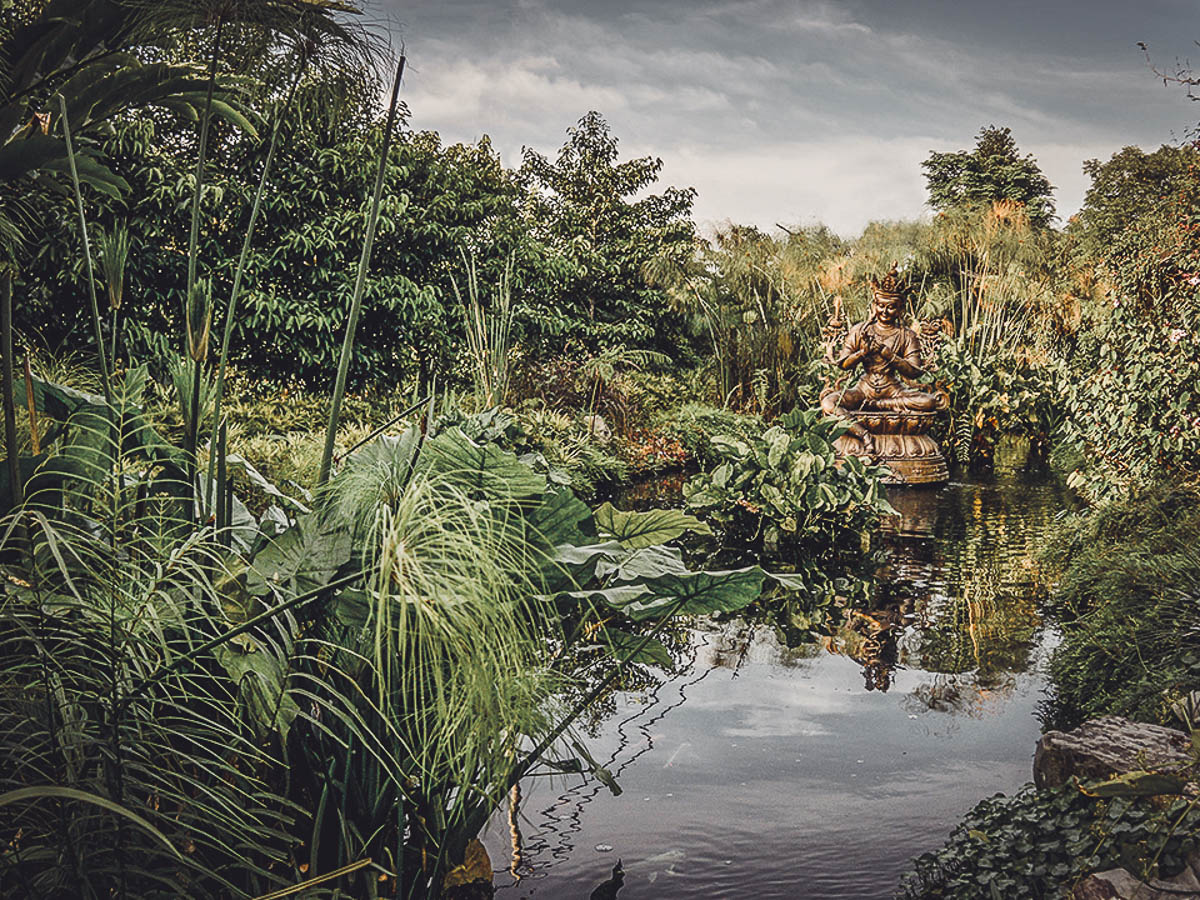
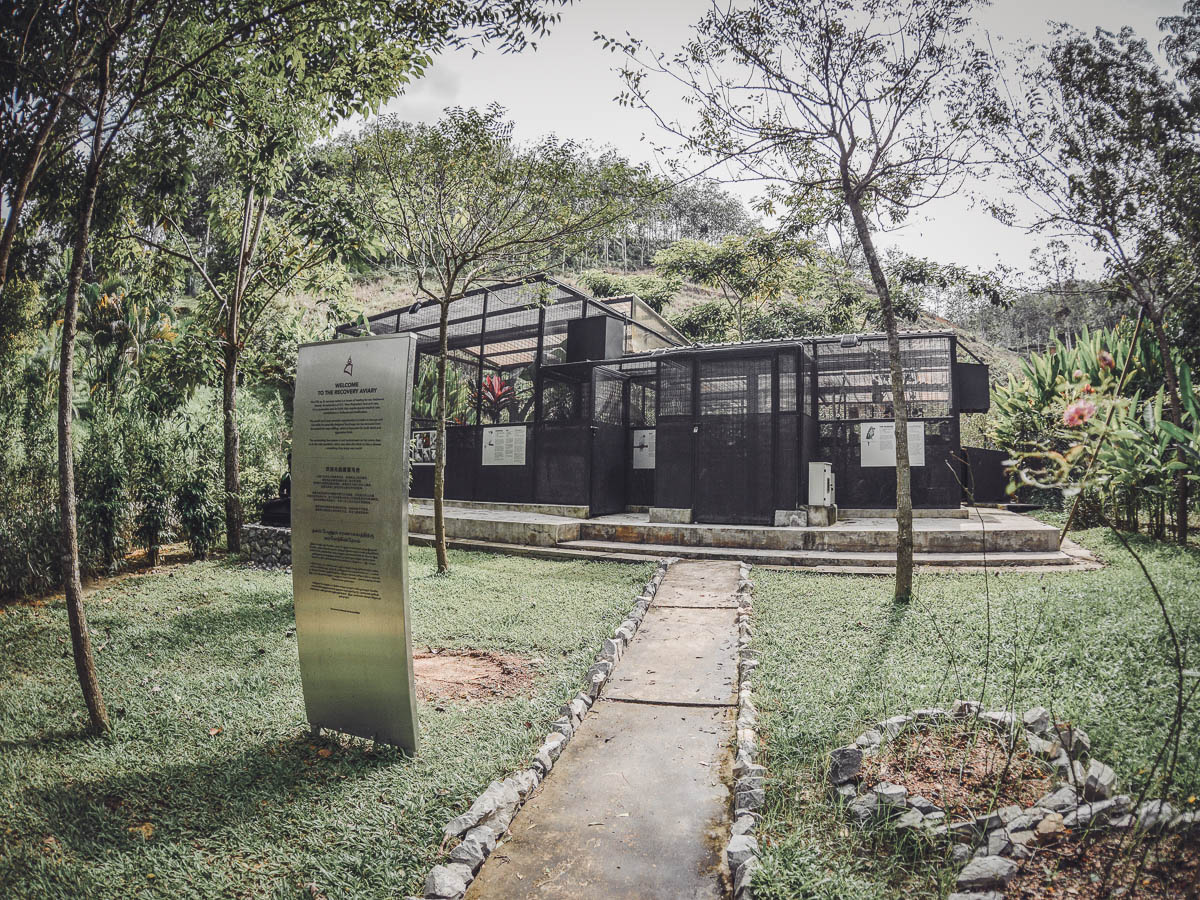
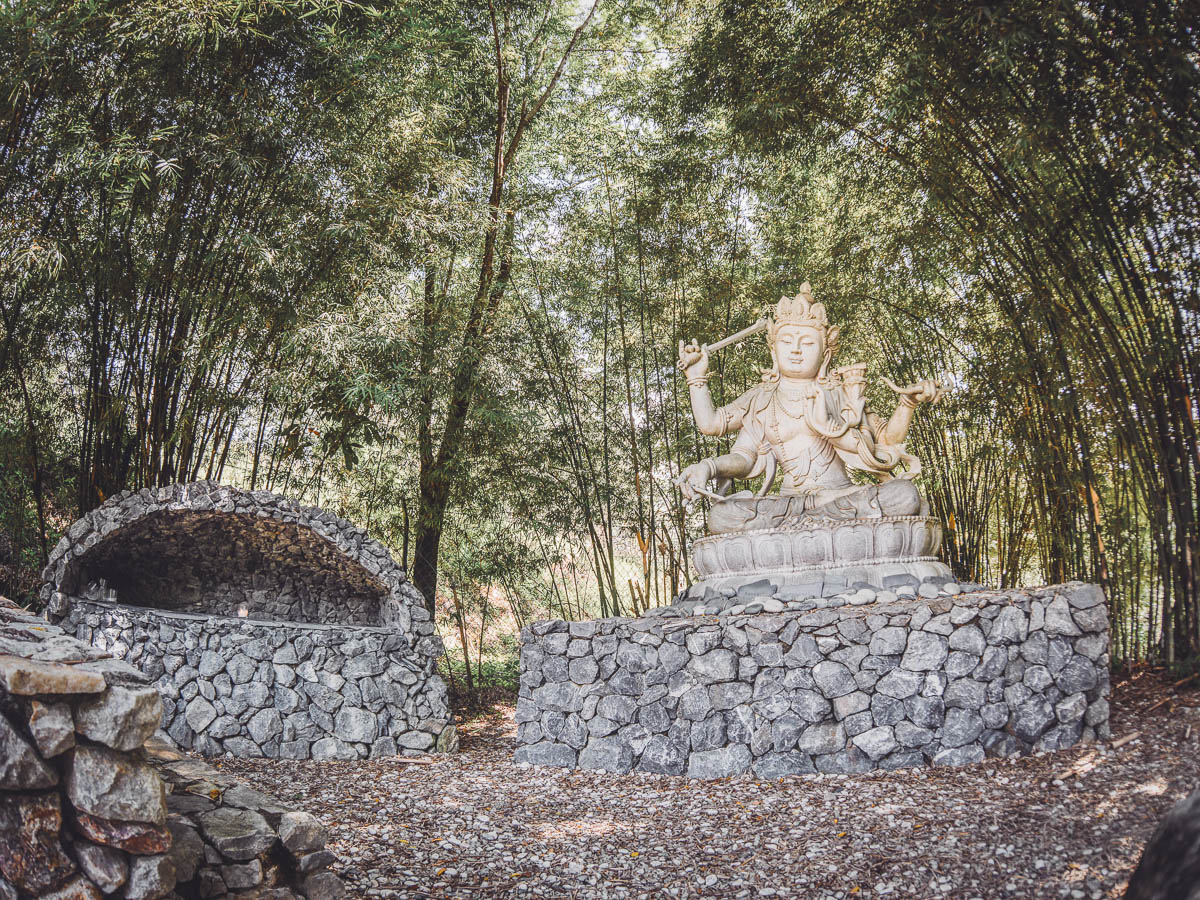
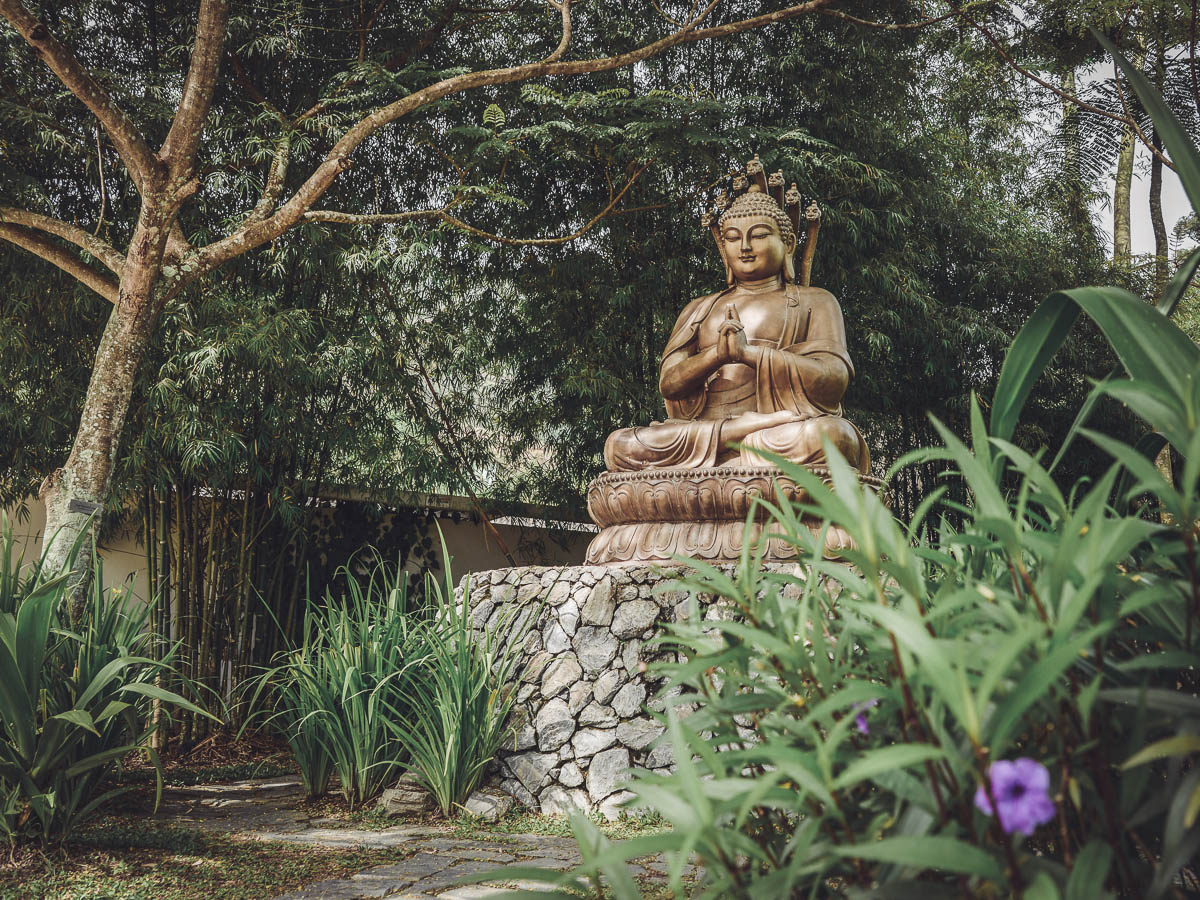
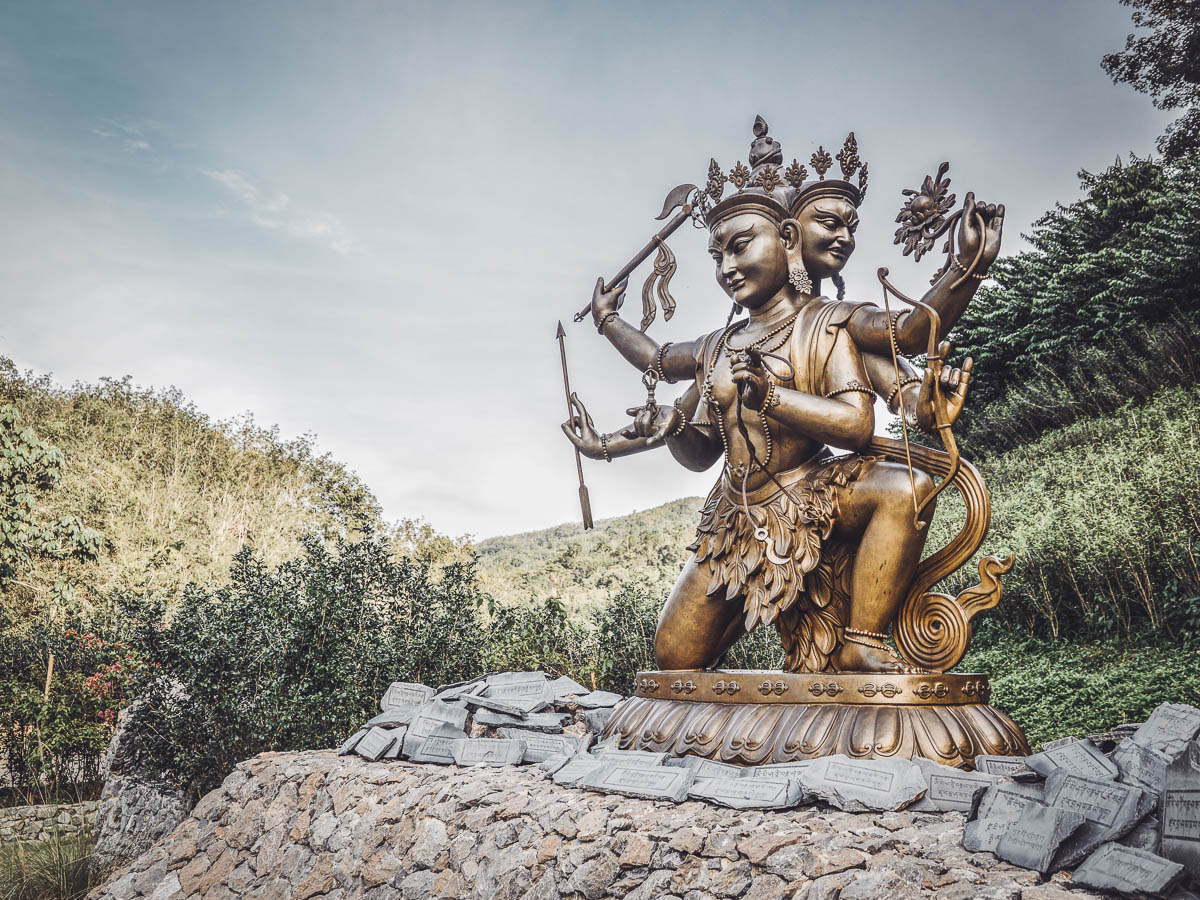
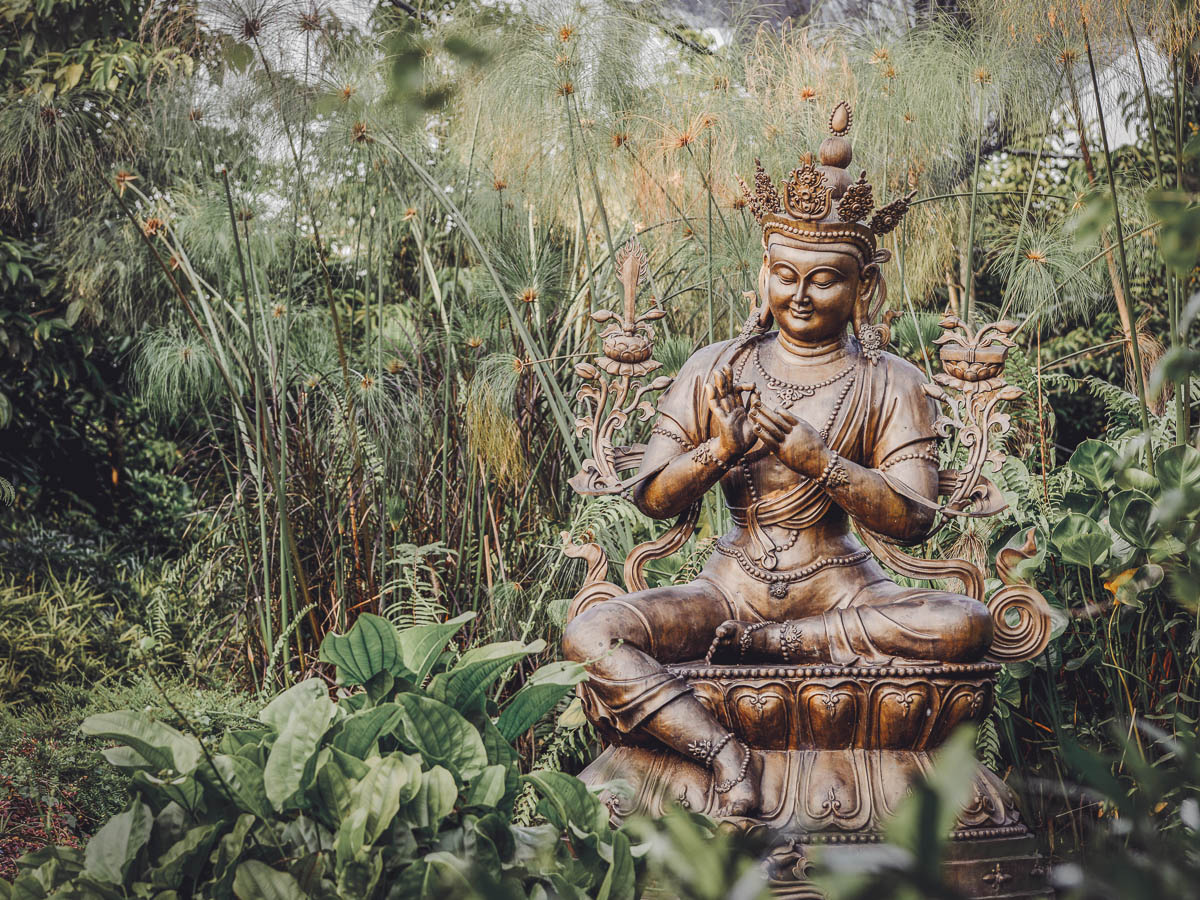
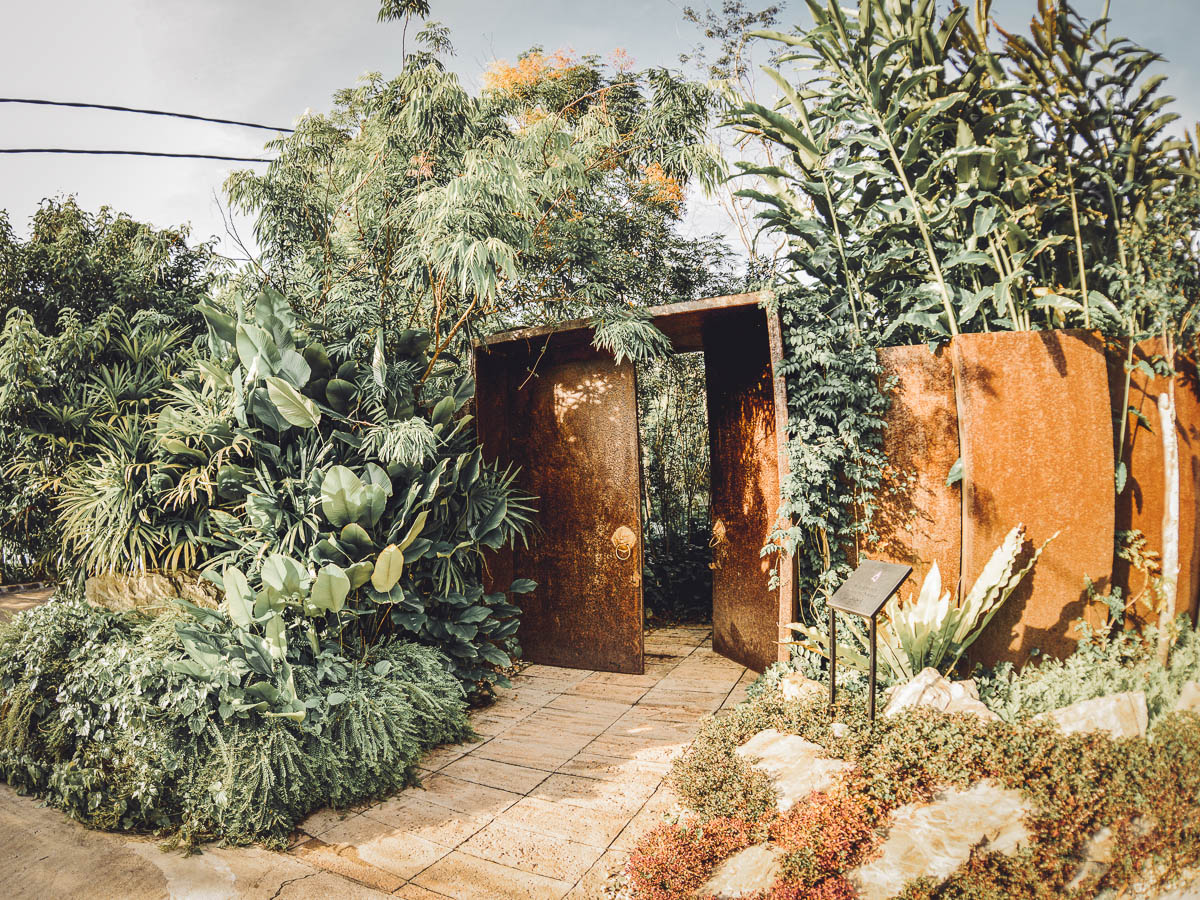
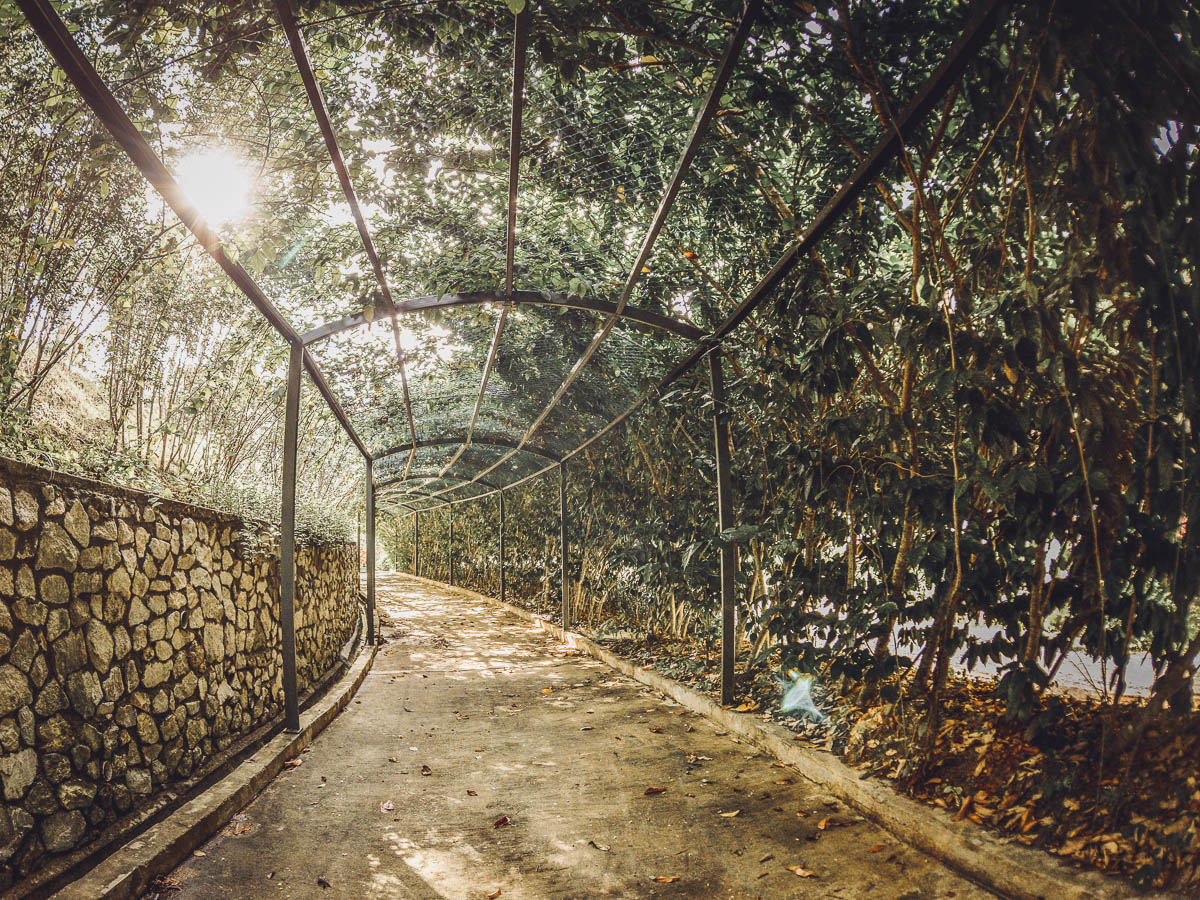
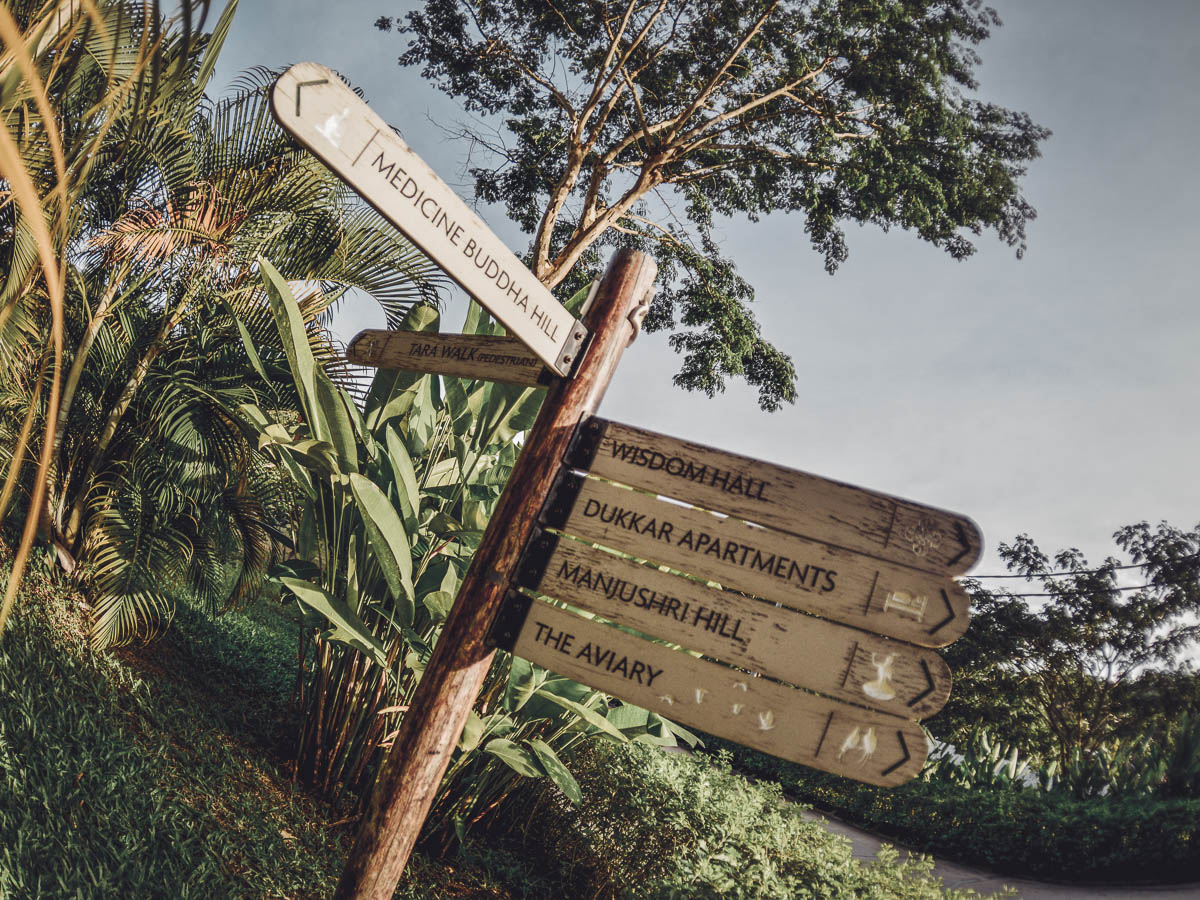
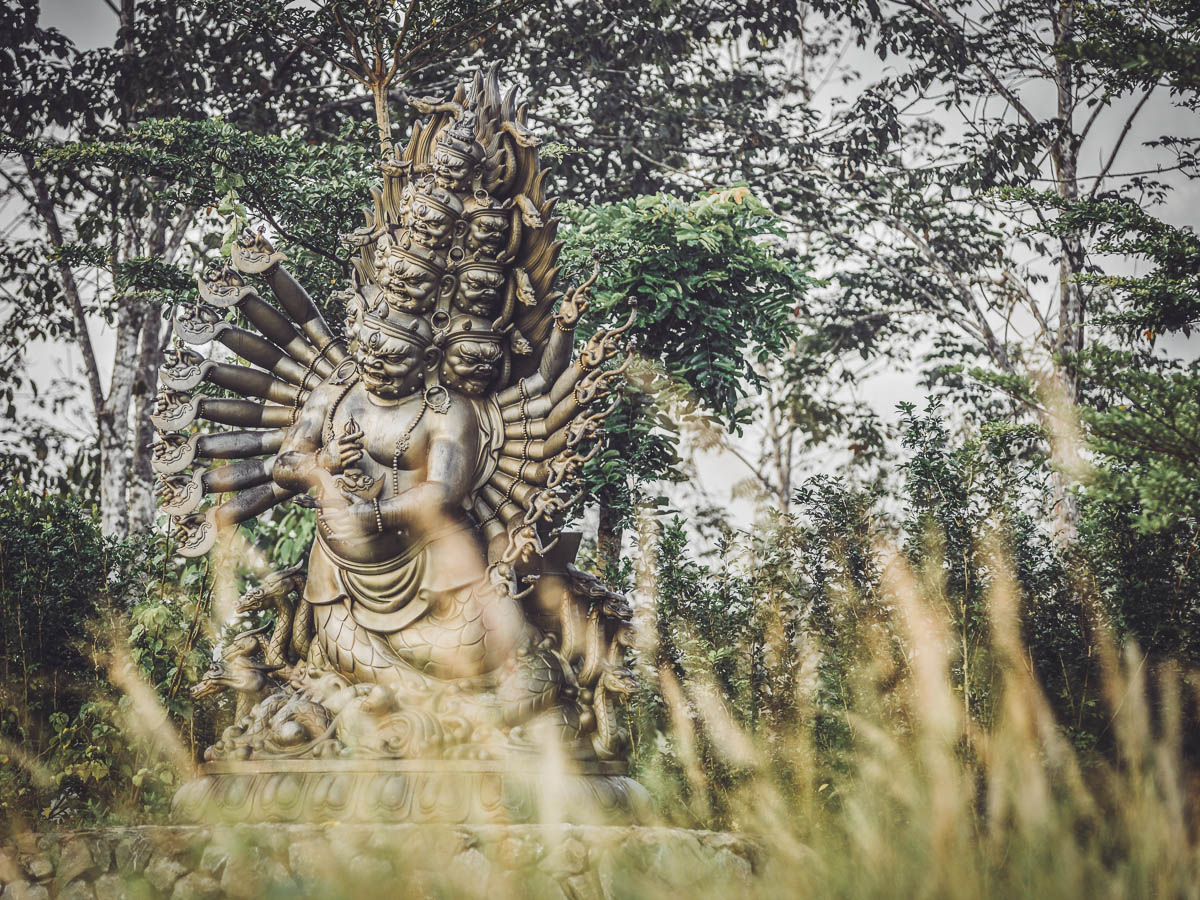
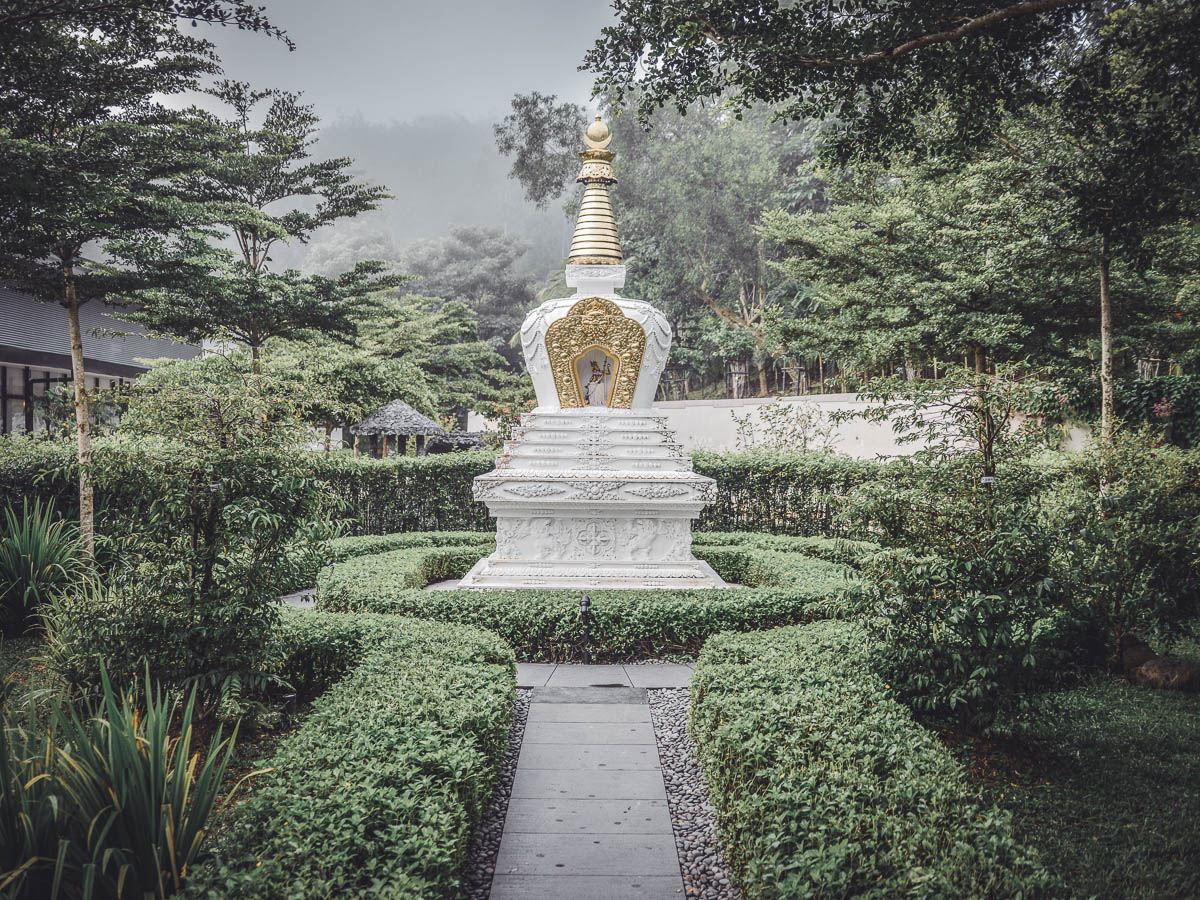
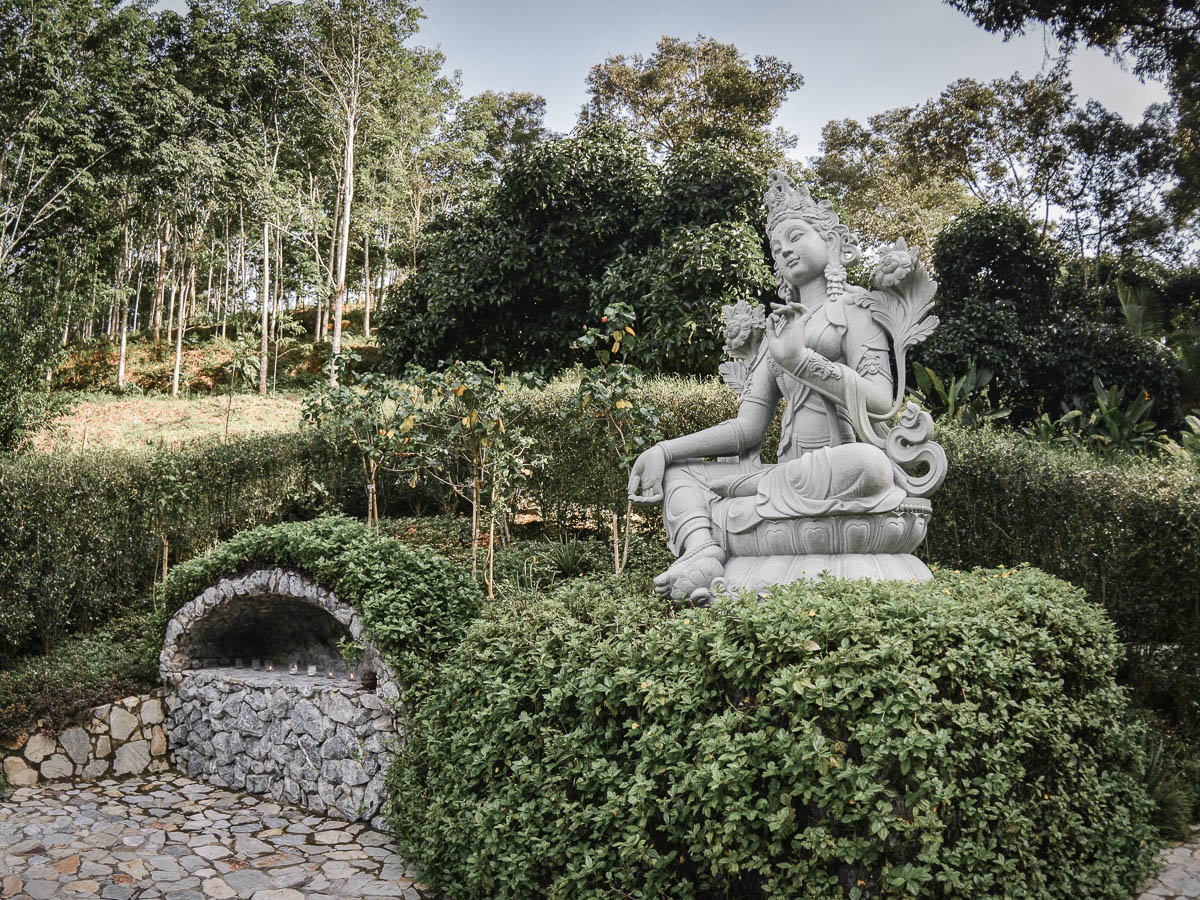
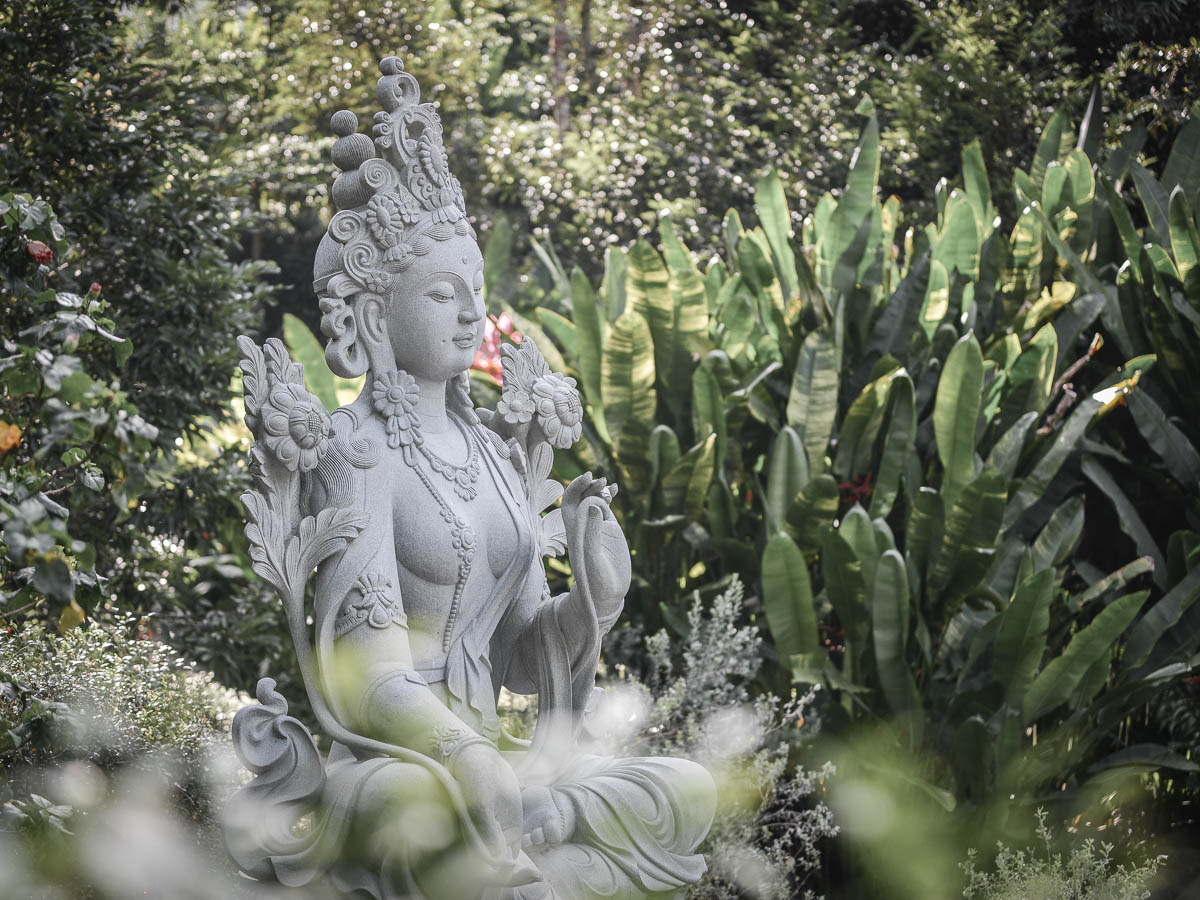
Our 35-acre centre in the exurban forest enclave of Bentong, Pahang is also a sacred ground, home to a pantheon of Tibetan deities and holy sites. It is here, amidst the lush verdant highlands that we impart a contemporary presentation of Buddhist teachings and practices, to bring you closer to Buddha’s wisdom in the Tibetan spiritual tradition.
Formally established in 2015 by Pastor Patsy Gooi, the Penang Study Group was officially opened by YB Senator Datin Paduka Chew Mei Fun, the then Deputy Minister of Women, Family and Community Development. Our current premises in the heart of Georgetown was established in early 2021, with a Dorje Shugden chapel on the ground floor and a prayer hall upstairs. Visitors are welcome by prior appointment.
JOIN US FOR
Swift Return Puja (Tibetan): Saturday, 3.00pm – 4.15pm
Located in Malaysia’s former tin-mining centre, the Ipoh Study Group opened our doors in the heart of the city in 2009, with ample space for prayers, Dharma talks and group activities. Visitors are welcome by prior appointment.
Starting out in 2010 as a small chapel in an office building, the Kuantan Study Group moved to a larger premises in 2020. Our adjoining chapel dedicated to Gyenze the Wish-Fulfiller is popular with the Buddhist community in the east coast of Malaysia. Visitors are welcome by prior appointment.
Established in 2007 to serve the Buddhist community of southern Malaysia, the Johor Study Group moved from Batu Pahat to the current premises in Skudai in 2009. Visitors are welcome by prior appointment.









 中文
中文