 中文
中文

Spiritual remedies for every life situation
-
Home / What We Do / Buddhist Services
Puja Services
Spiritual remedies for
every life situation
Offering Services
Traditional offerings
done for you
Pastor Services
Blessings, vows and
spiritual support
REQUEST A PRAYER
Puja Services
In the Tibetan Buddhist spiritual tradition, pujas are a proven remedy for most of life’s troubles. They can provide many benefits including healing, long life, protection, wealth, wisdom, peace, spiritual growth and the quick fulfilment of wishes.
Healing

Long Life

Protection

Wealth

Peace
Spiritual Growth

Wisdom

Fulfilled Wishes
Our puja house (shabtenkhang) offers a wide range of authentic pujas for every life situation. Our experienced team has been trained by the ritual masters of the illustrious Gaden Monastery to perform pujas in the same way that they have been done for hundreds of years.
For Health + Wellbeing
Feel Well, Stay Well
Feel Well, Stay Well
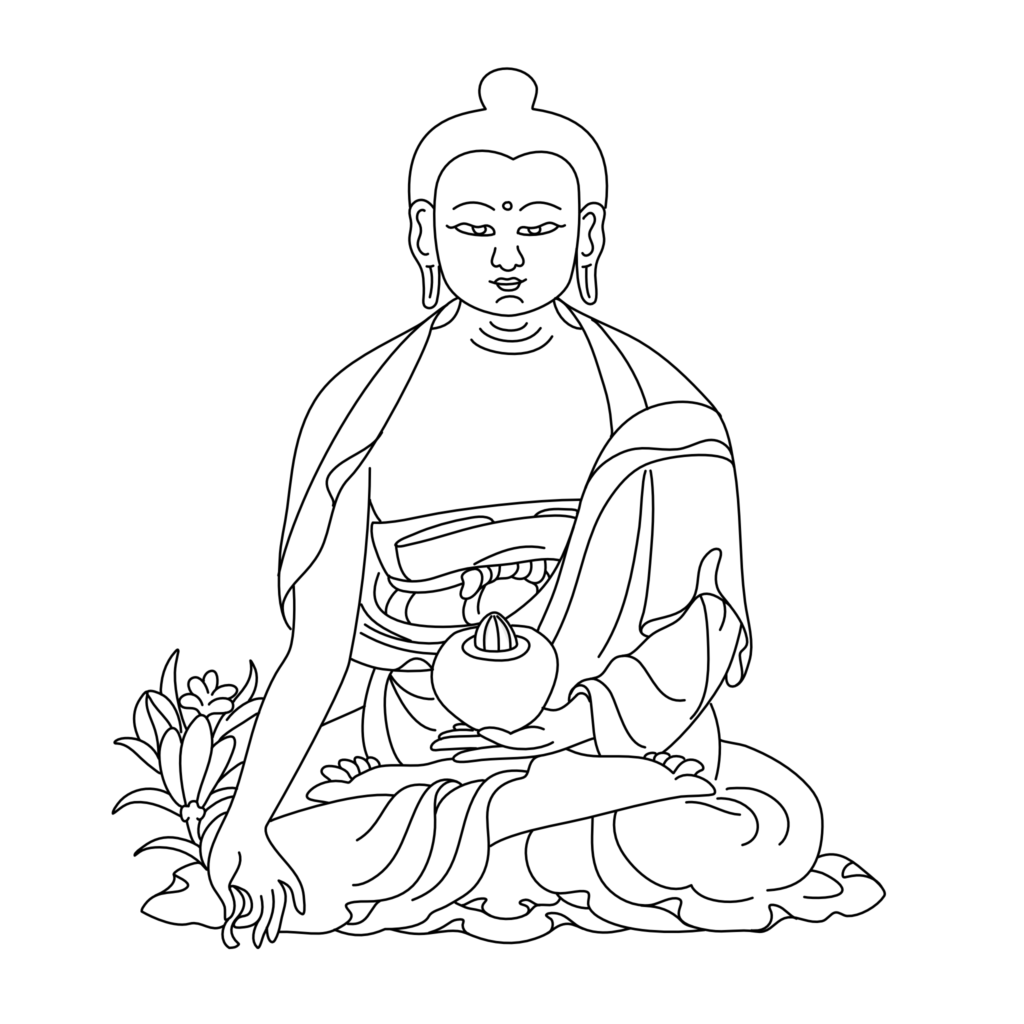
Purify dormant negative karma to keep your body at optimal health, and nourish your mind, body and spirit to enjoy the good life.
Live Longer, Feel Better
Live Longer, Feel Better
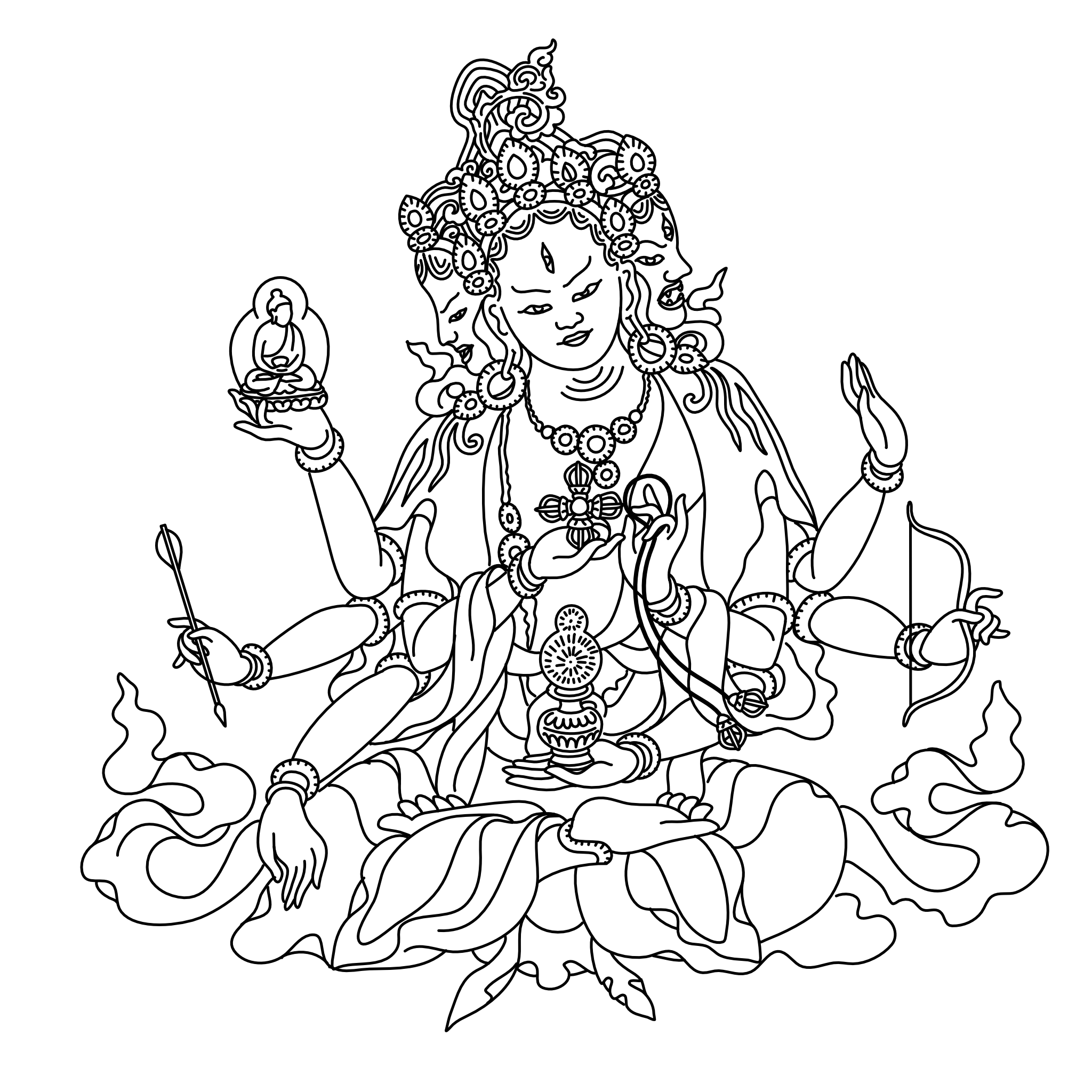
Tap into celestial blessings to extend life karma and prevent untimely death. The “nectar of immortality” and “healing pills” distributed during this puja contain great healing power. We recommend that you’re present to receive them.
Minor Health Hurdles:
Common Surgeries & Illnesses
Minor Health Hurdles:
Common Surgeries + Illnesses
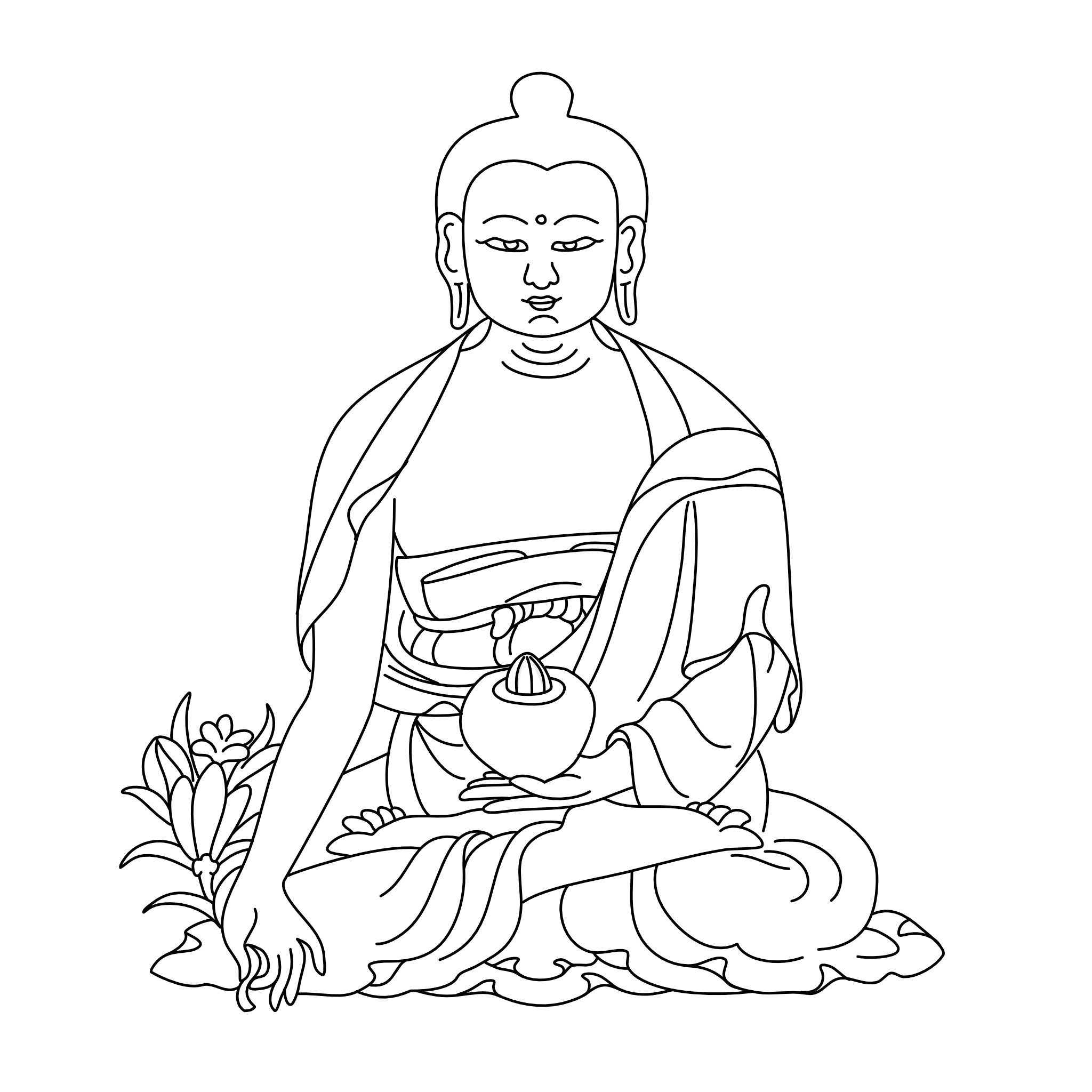
To always be in the pink of health is impossible. Minor illnesses will arise, and sometimes a mini surgery is inevitable. Embrace the medicinal energies of this puja to heal well and recover quickly.
Major Health Hurdles:
Critical Surgeries & Diseases
Major Health Hurdles:
Critical Surgeries + Diseases
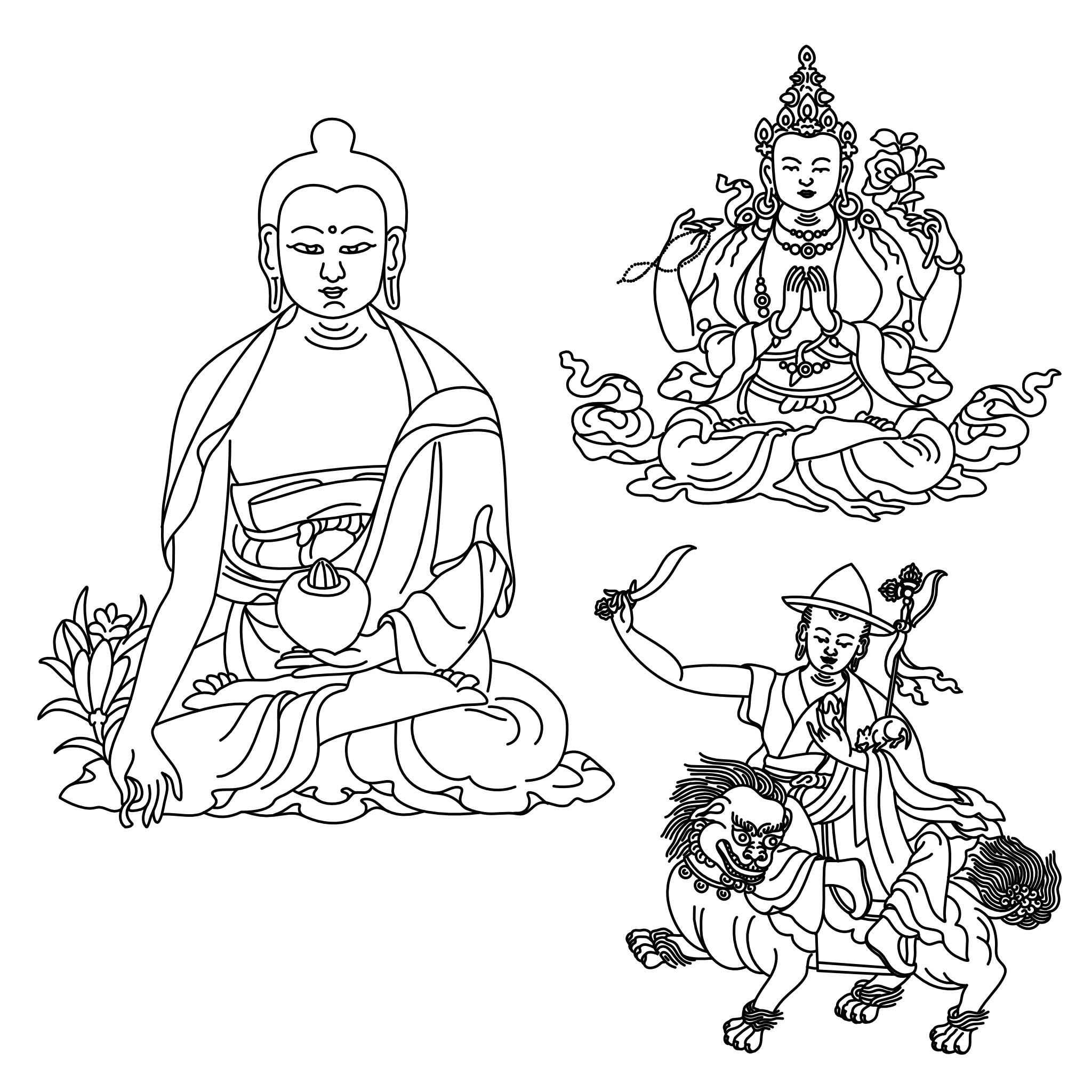
A powerfully charged remedy for serious ailments and critical illnesses that require powerful healing blessings. Invoke the curative powers of Medicine Buddha, Chenrezig’s calming energies and make requests to Dorje Shugden to remove obstacles to healing and long life.
For Problems + Obstacles
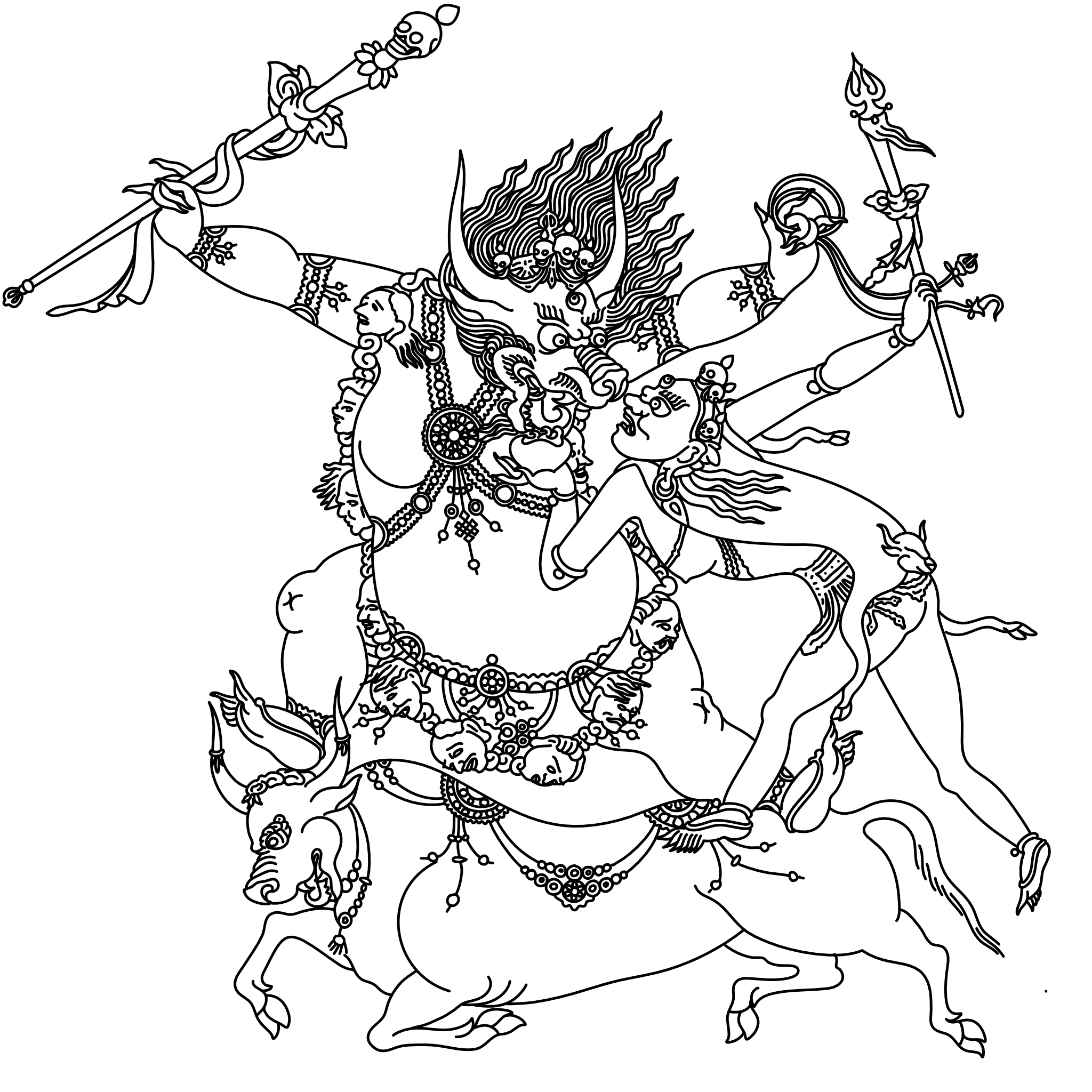
Minor Obstacles: Common
Problems & Troubles
Minor Obstacles:
Common Problems + Troubles
Life isn’t always smooth sailing. From time to time, you’ll find yourself struggling with problems including financial loss, marital disputes, lost opportunities, feelings of discontent or just general bad luck. These pujas swiftly nip regular issues in the bud, establish a positive outcome for personal and business troubles, and help pave your path with the best of luck.
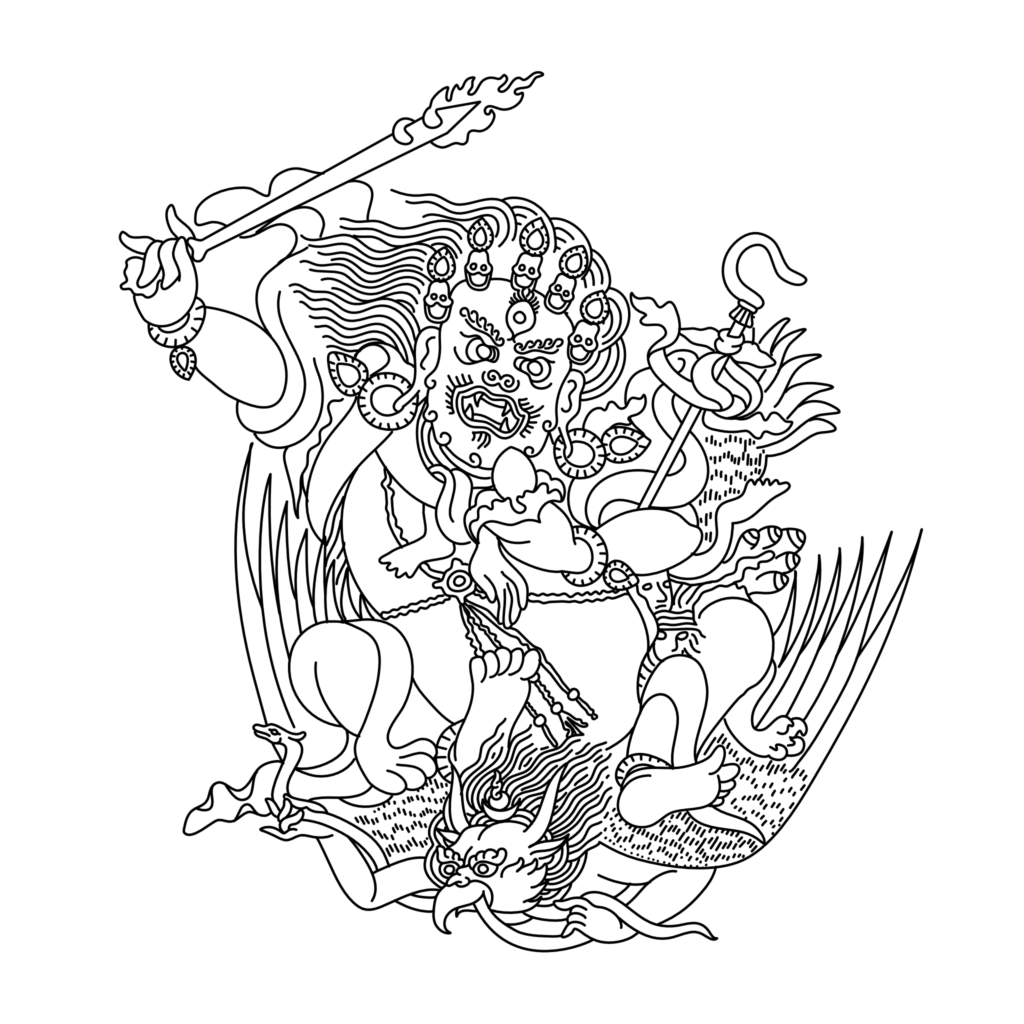
Major Obstacles: Severe
Problems & Troubles
Major Obstacles:
Severe Problems + Troubles
When life throws a major curveball your way and everything seems to be going wrong, these potent pujas will help you find solutions to overcome major problems affecting your personal or business life, and purify negative karma to avert future adversities.
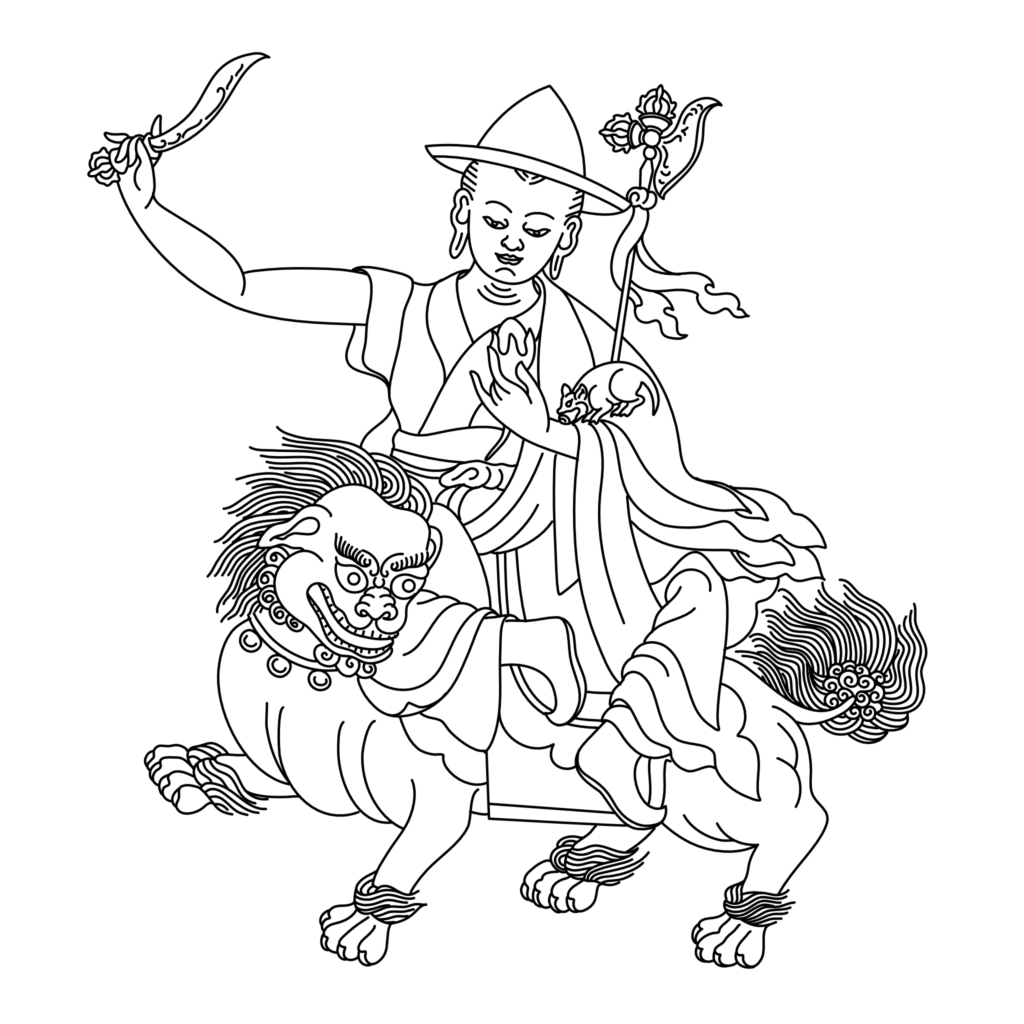
Supernatural Cleansing & Protection
Supernatural Cleansing + Protection
Dark energy can be manipulated to wreck your home, family, business and life. These powerful pujas swiftly reverse misfortune and give protection from harmful curses, black magic and malevolent entities.
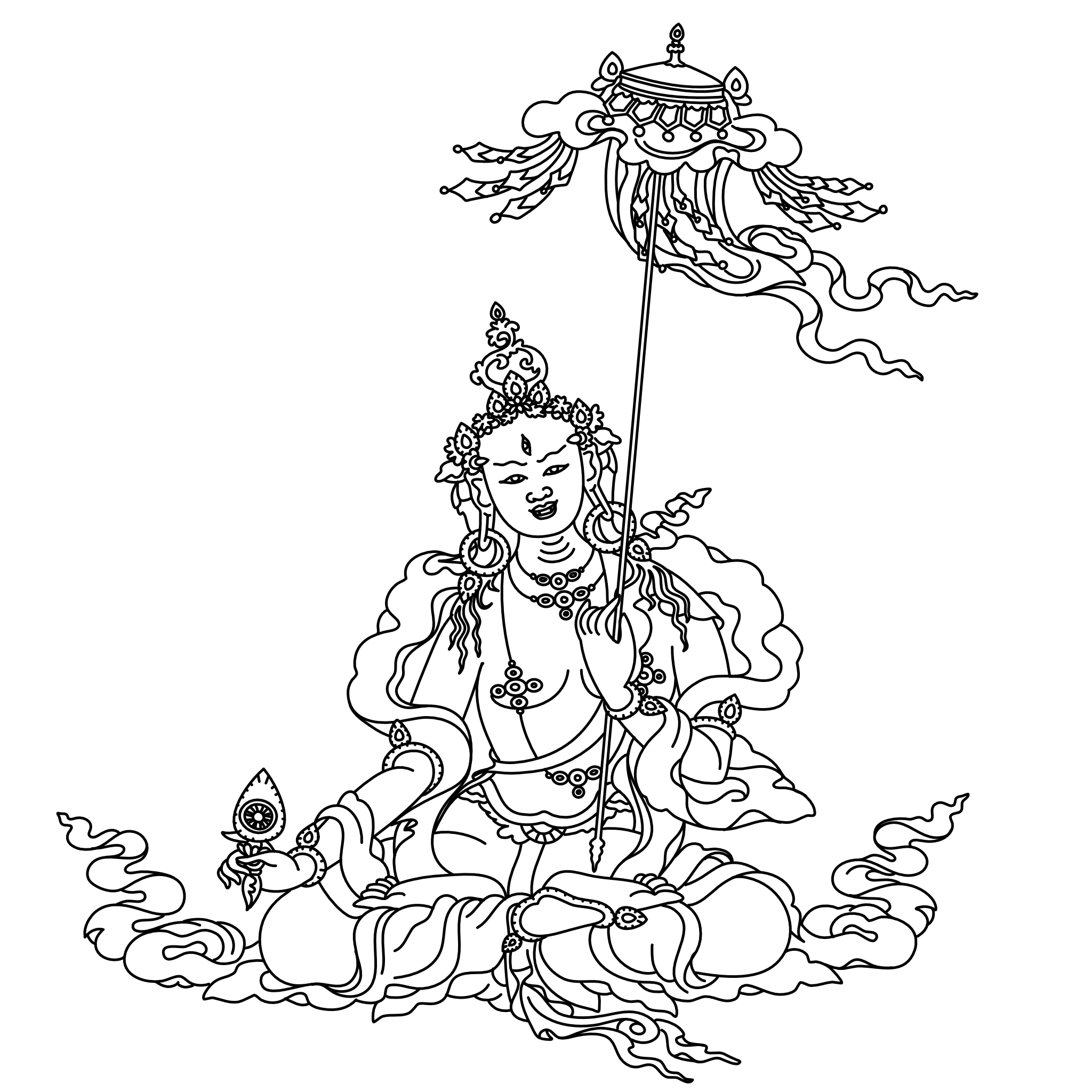
Legal Remedies
Legal Remedies
Achieve victory in legal disputes, lawsuits, court cases and custody battles. Dukkar is known to rescue the wrongfully accused, help clear their names and win messy legal battles so that life can return to normal.
Reputation Repairs
Reputation Repairs
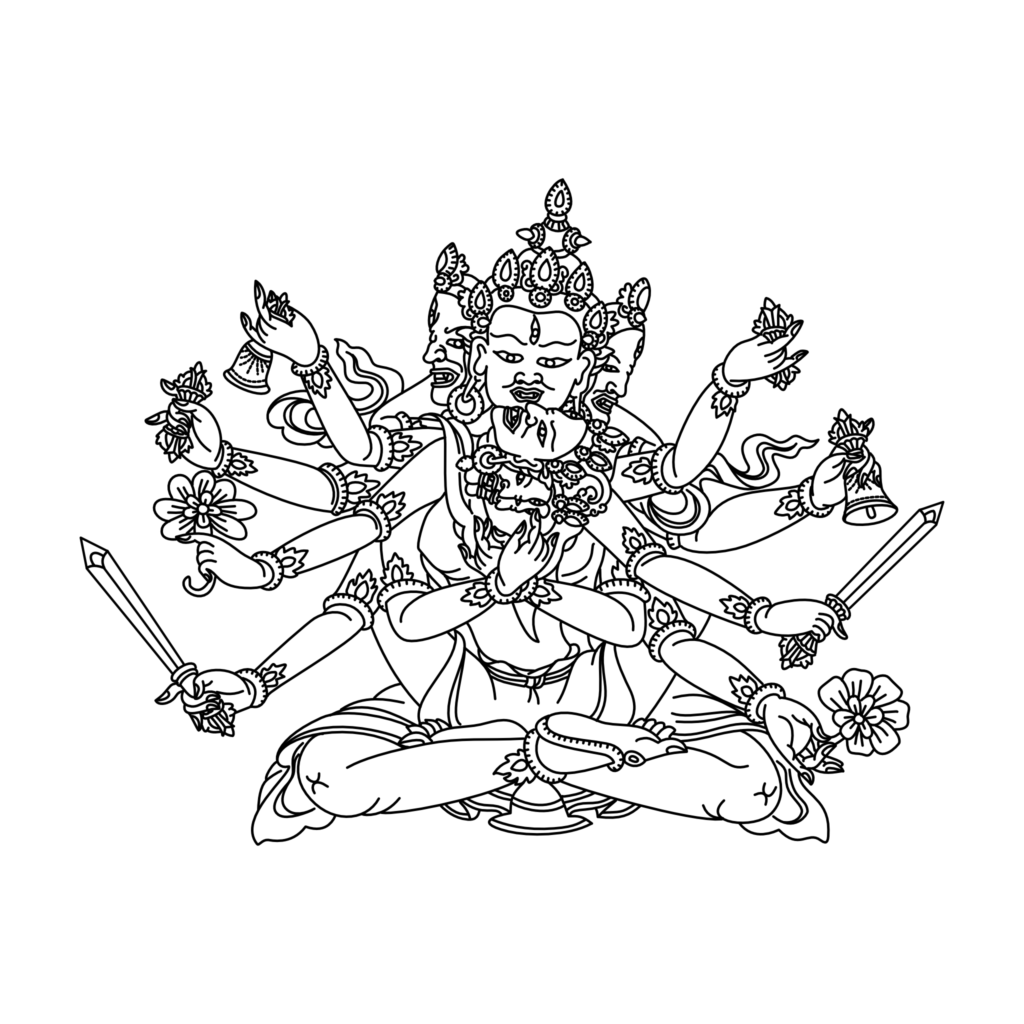
Gossip, rumours and lies can tarnish your image, destroy your family and create bad publicity for your business. Rectify the situation with a special puja designed to cut the negative effects of destructive speech, restore your damaged reputation and rebuild trust.
Reputation Repairs
Mend Vows, Purify Karma
For Accomplishment + Success
Wishes Fulfilled
Wishes Fulfilled
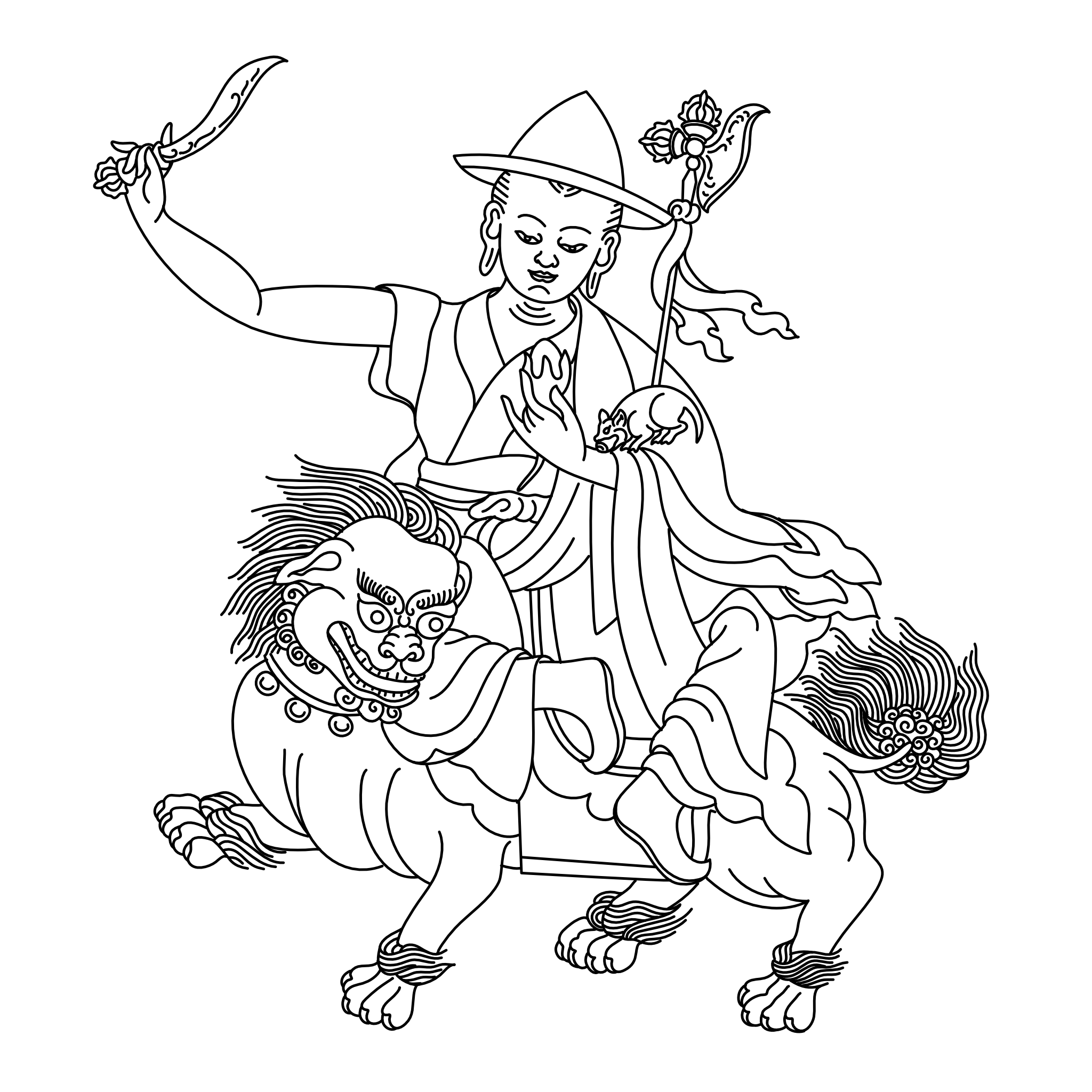
Invoke the Wishfulfilling Protectors and Buddhas to make your wishes come true. From career progression to financial success, health, relationships and everything in between, these pujas can work miracles in your favour and accelerate your goals into fruition.
Wealth + Success
Wealth + Success
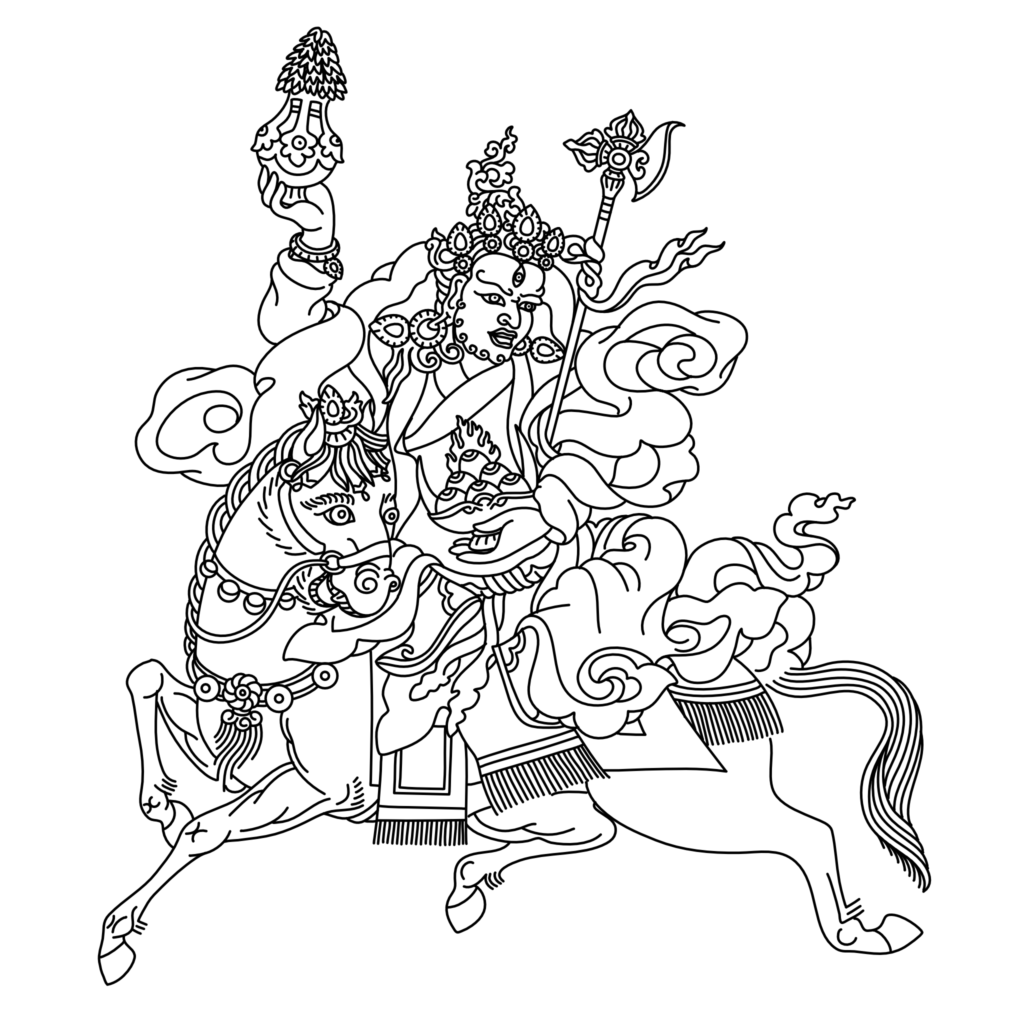
Plenty of opportunities will come your way with these pujas calling upon the Wealth Buddhas. Achieve business goals, close new deals, and make the right connections for successful partnerships. On a personal level, you’ll have abundant inner wealth and enjoy stable finances and success.
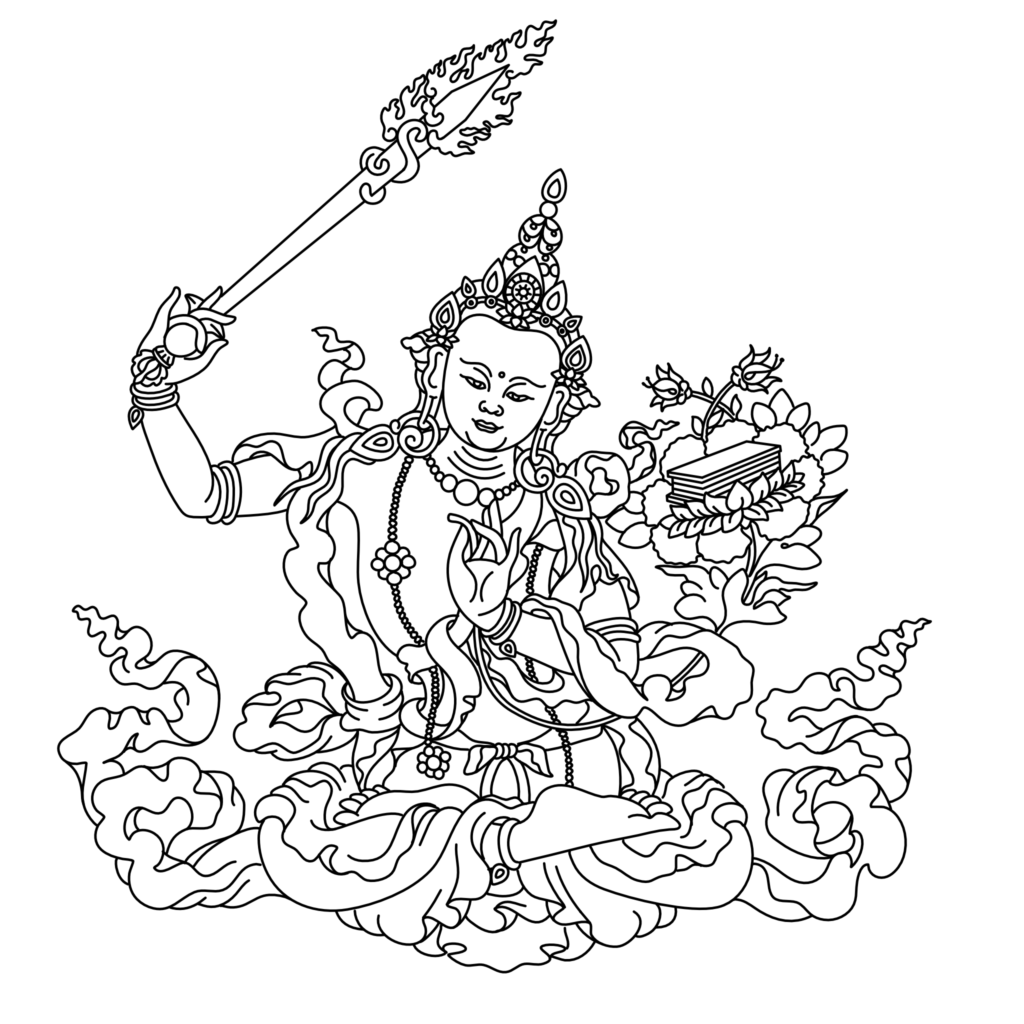
Successful Studies
Successful Studies
Enhance your intellectual potential with the help of Wisdom Buddha Manjushri. Pass tough exams, spark new ideas, develop skilful communication, improve your memory, and ignite your creativity. Great for both adults and children.
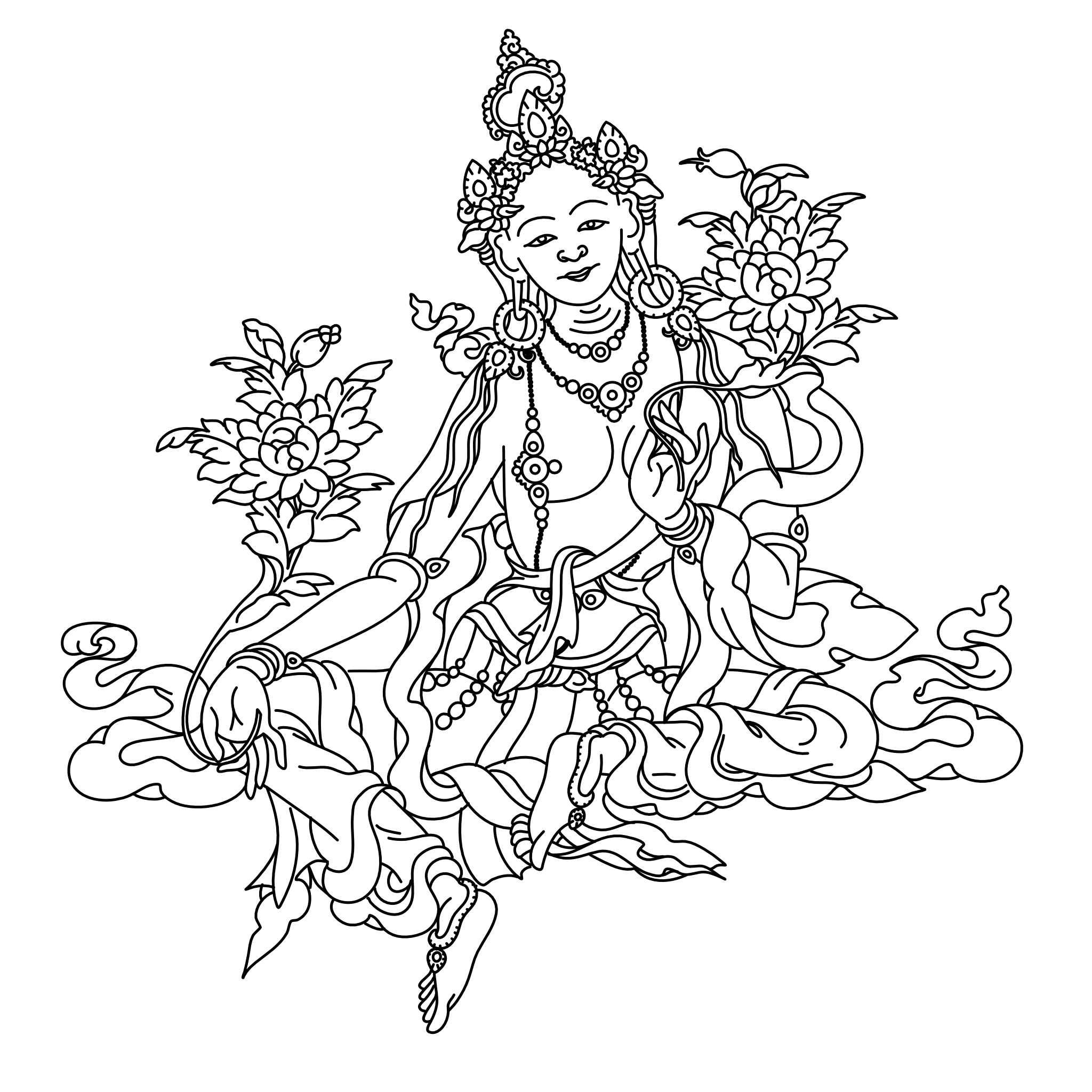
Smooth Pregnancies
Smooth Pregnancies
Whether you’re trying to conceive or already pregnant, the blessings of Tara — the Mother of All Buddhas — will help you avoid miscarriage, have a smooth pregnancy and welcome the new member of your family with an easy delivery.
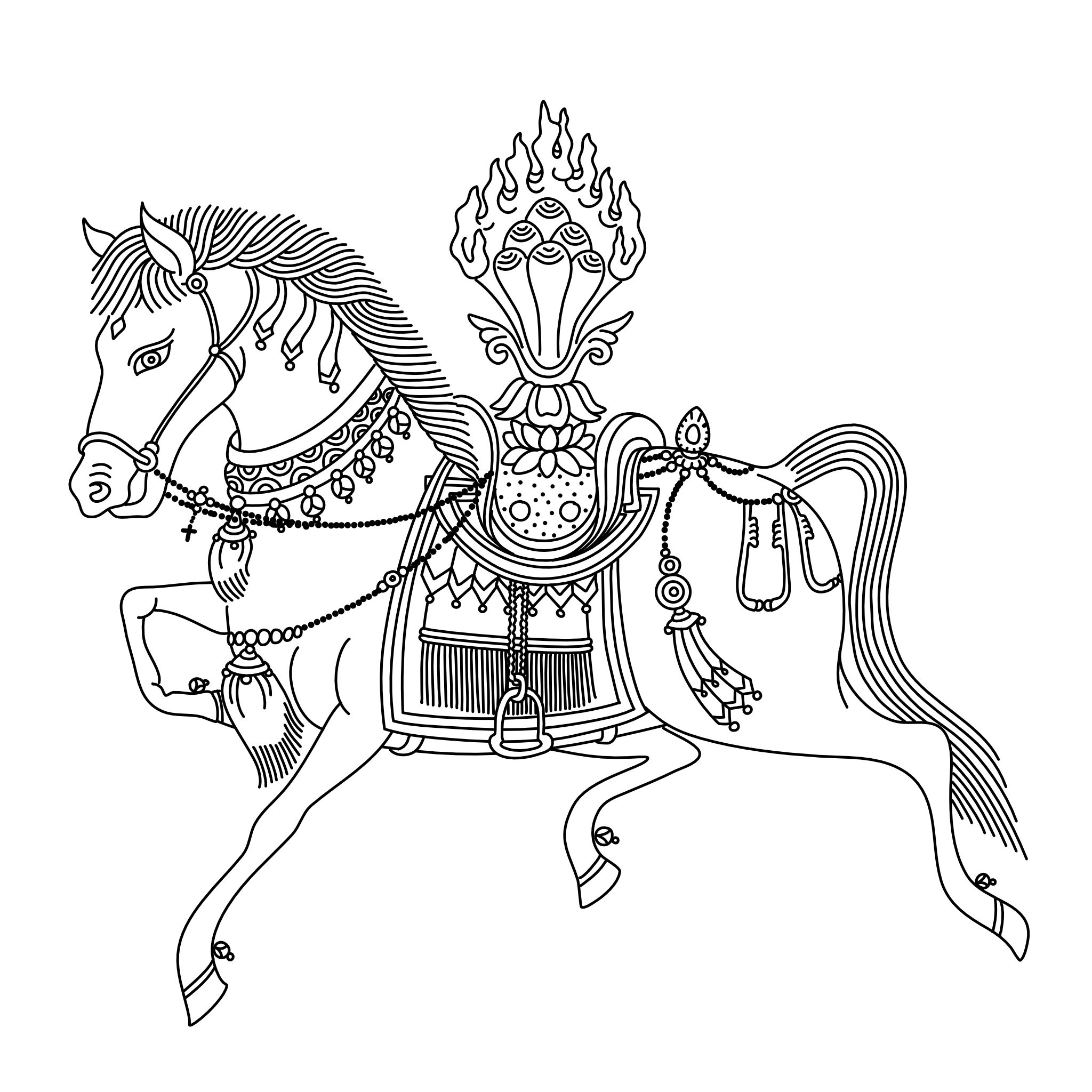
Total Travel Protection
Total Travel Protection
Travelling is a vital aspect of life, whether it’s for work, studies, business or pleasure. The travel puja averts dangers, protects from obstacles, relieves anxiety and gives peace of mind for your next major trip.
For General Blessings
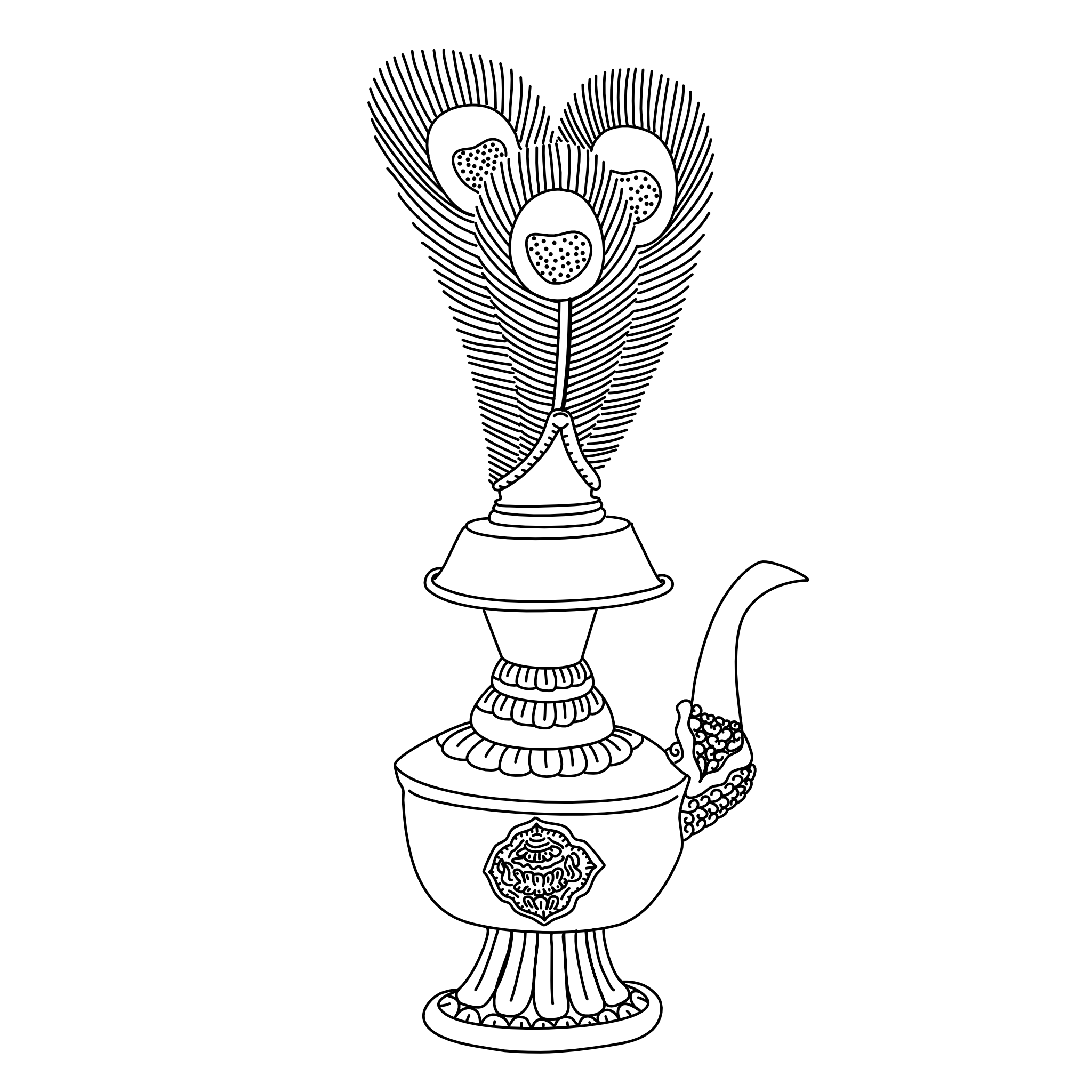
Space Clearing: Premises Blessing
Space Clearing: Premises Blessing
Safeguard your home and place of business from bad vibrations, negative energy and paranormal activity. This puja invokes the blessings of all Buddhas to keep your family and co-workers safe, happy and protected —improving relationships and increasing productivity. Highly recommended when moving into a new home or office, or starting a new construction project.
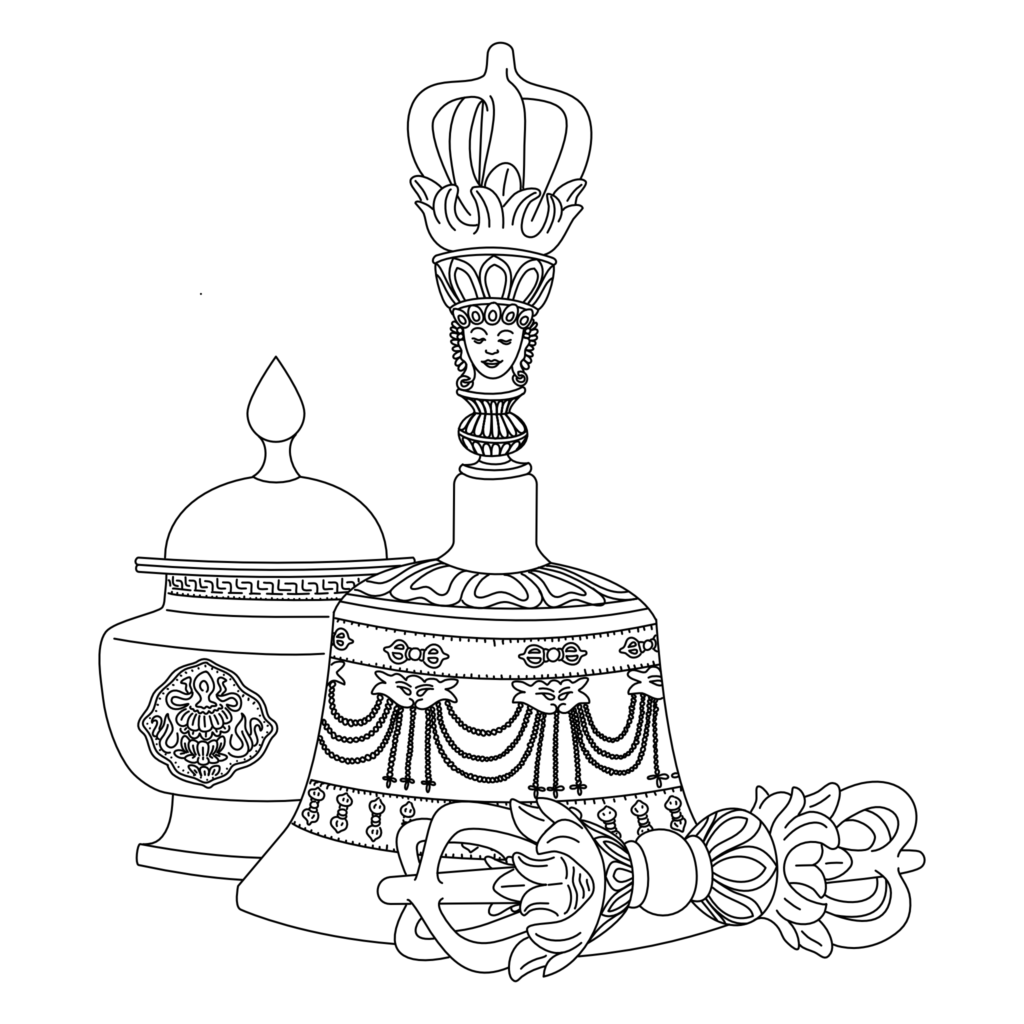
Drive Safe: Vehicle Blessing
Drive Safe: Vehicle Blessing

Holy Space: Altar Blessing
Holy Space: Altar Blessing
Special Days: Auspicious Blessing
Special Days: Auspicious Blessing
Gain great merits on auspicious days and special celebrations such as birthdays, anniversaries and holy days. The celestial tunes sung during the puja invite the Buddhas and dakinis to bless you with success, abundance, positive energy and a beautiful life.
For Pets
Pet Puja for Healing
Pet Puja for Healing
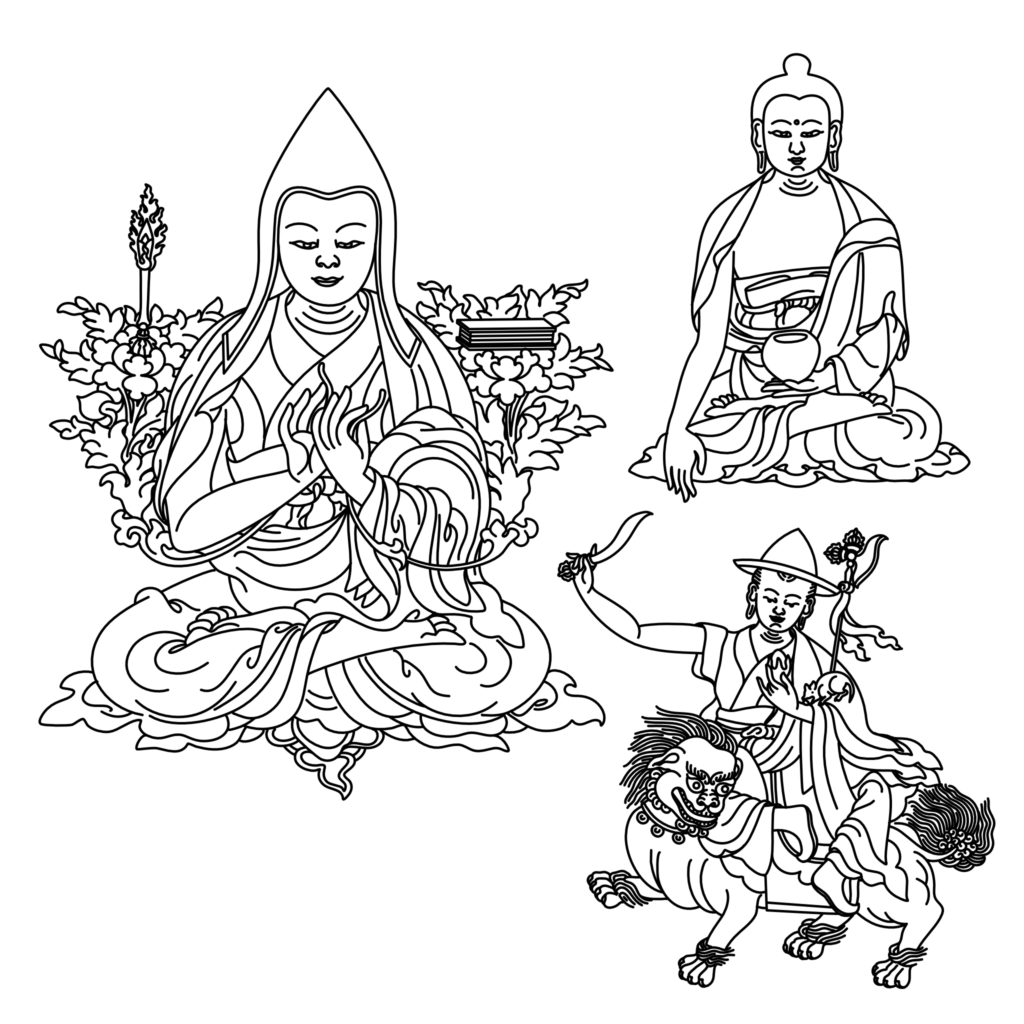
Pet Bereavement Puja
Pet Bereavement Puja
HOW IT WORKS
What happens after I request a puja?
After we receive your request, we’ll schedule your puja on a specific date, time and venue.
Any special requests will be taken into account during the scheduling, including arrangements for the puja to be done at your preferred location.
A day before your puja, our team prepares the necessary offerings. This includes the traditional tormas (ritual cakes) which are expertly made and decorated by hand.
Each torma has its own significance and different pujas require different tormas.
On the day of your puja, we’ll setup the altar with an image of the corresponding Buddha and the requisite offerings.
If you’ve provided a photo of the person/
You are welcome to attend the puja. To reap the full benefits and positive energies generated, it is recommended that you arrive on time.
SPECIAL REQUESTS
Other Pujas
TESTIMONIALS
Our pujas helped make a difference
Many petitioners have reported good results after a puja was performed for them, crossing the borders of race, geography, class, faith and creed. Read real-life testimonies on how our clients have overcome their problems and improved their lives.
GOOD TO KNOW
Puja FAQs
Pujas are an alternative solution to rectify and improve every life situation. When other remedies have failed, our pujas call upon the assistance of the awakened Buddhas to swiftly purify your obstacles, change the outcome of your karma and fulfil your wishes.
Pujas can avert and overcome three main types of obstacles.
- Worldly obstacles which affect daily life, relationships, financial stability, and success in career and business
- Inner obstacles which affect physical health and mental state
- Secret obstacles which obstruct spiritual attainments of wisdom and everlasting happiness
Pujas at our puja house are performed by a minimum of four practitioners and a maximum of ten. Pujas at the monastery can be performed on a more elaborate scale with up to 600 monks. The scale of the puja depends on the purpose of the puja, the gravity of the obstacle, and your needs and wishes.
No, you don’t have to be a Buddhist to have pujas done for you or others. Buddhas are awakened beings who will help anyone regardless of faith, culture, social class or origin.
Rest assured that our pujas are safe. Buddhas are fully enlightened and will never cause harm to you or any other being. Buddhas do not require anything from you in return for their assistance.
On your part, you should request your puja with good motivation for positive aspirations and without harmful intentions. On our part, we conduct the puja rituals properly according to an authentic tradition and lineage, with all the requisite offerings and substances.
You can choose from our list of pujas based on your wishes and problems. If you’re uncertain which puja is best for you, we’re happy to aid you with the selection process.
Visit our online platform VajraSecrets.com or WhatsApp us to order the puja that is best suited to your needs.
If you require a specific puja that’s not part of our repertoire, we can make special arrangements for your puja to be performed at our affiliated monasteries. Please contact us if you have a special request.
As soon as we receive your request and other necessary information, we’ll begin the preparations to perform your puja within two weeks. For critical situations, emergency pujas are available upon request.
We’re happy to accommodate special requests subject to the availability of our puja team.
Your puja will be performed by a team of Buddhist practitioners who are qualified and trained by ritual masters from Gaden Monastery.
In general, your puja will be done at Kechara Forest Retreat in Bentong or Kechara House in Petaling Jaya. Certain types of pujas such as house blessings, altar consecrations and bereavement services will be done on-site.
You may request for your puja to be done at the place of your choice, subject to the availability of our puja team. Additional fees may apply and vary according to location.
Absolutely! We welcome your presence and you will physically feel the positive energies from the puja. Please contact us in advance to make the necessary arrangements.
You don’t need to make special arrangements on the day of the puja. If you wish, you may choose to be vegetarian for the day, or recite short prayers or mantras associated with your puja. We would be glad to provide additional guidance, please get in touch with us.
Although many have found immediate relief and success, severe cases may require time to overcome the problem. Regular pujas are suggested for complex cases that persist for a prolonged period.
Yes, please send us a message or call us to speak to our consultants. Alternatively, you can visit our Facebook page to chat with us.
MAKE MERIT
Offering Services
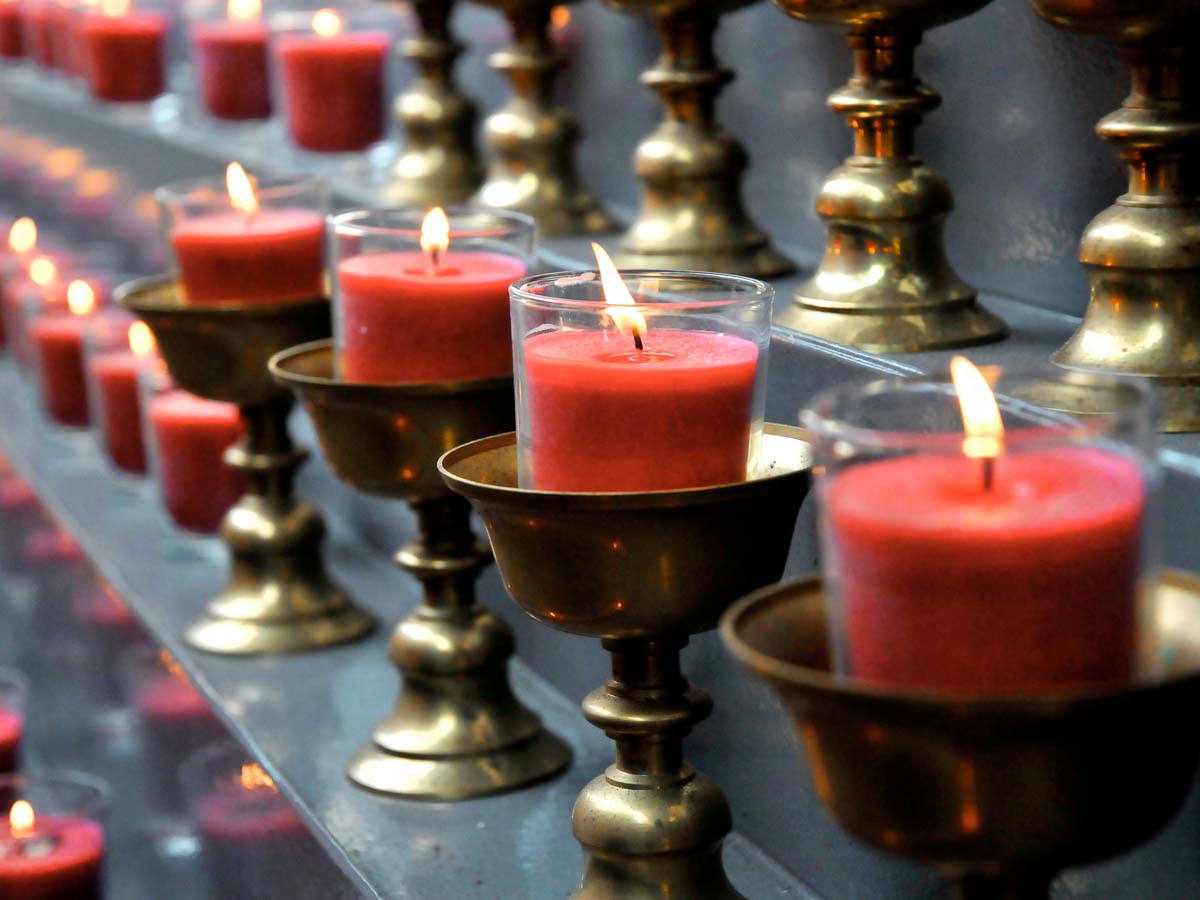
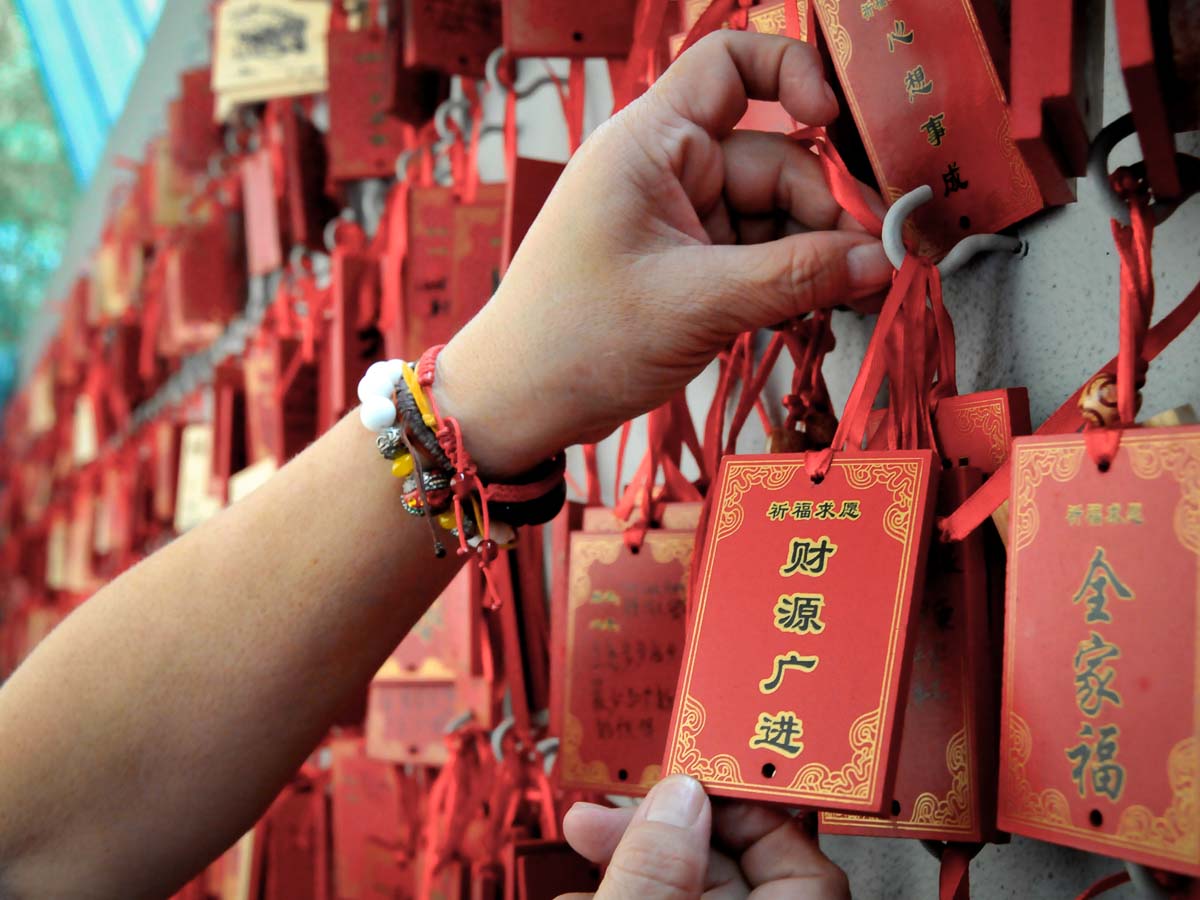
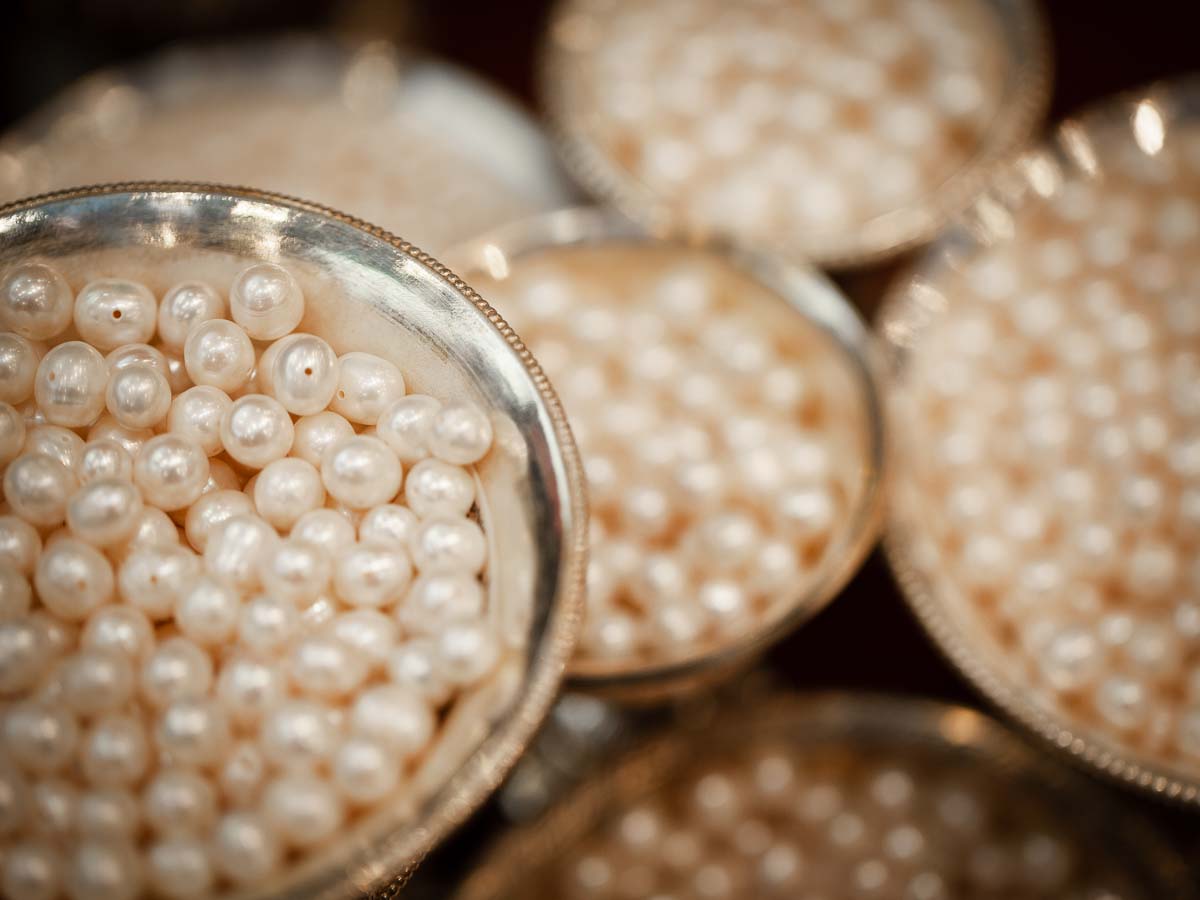
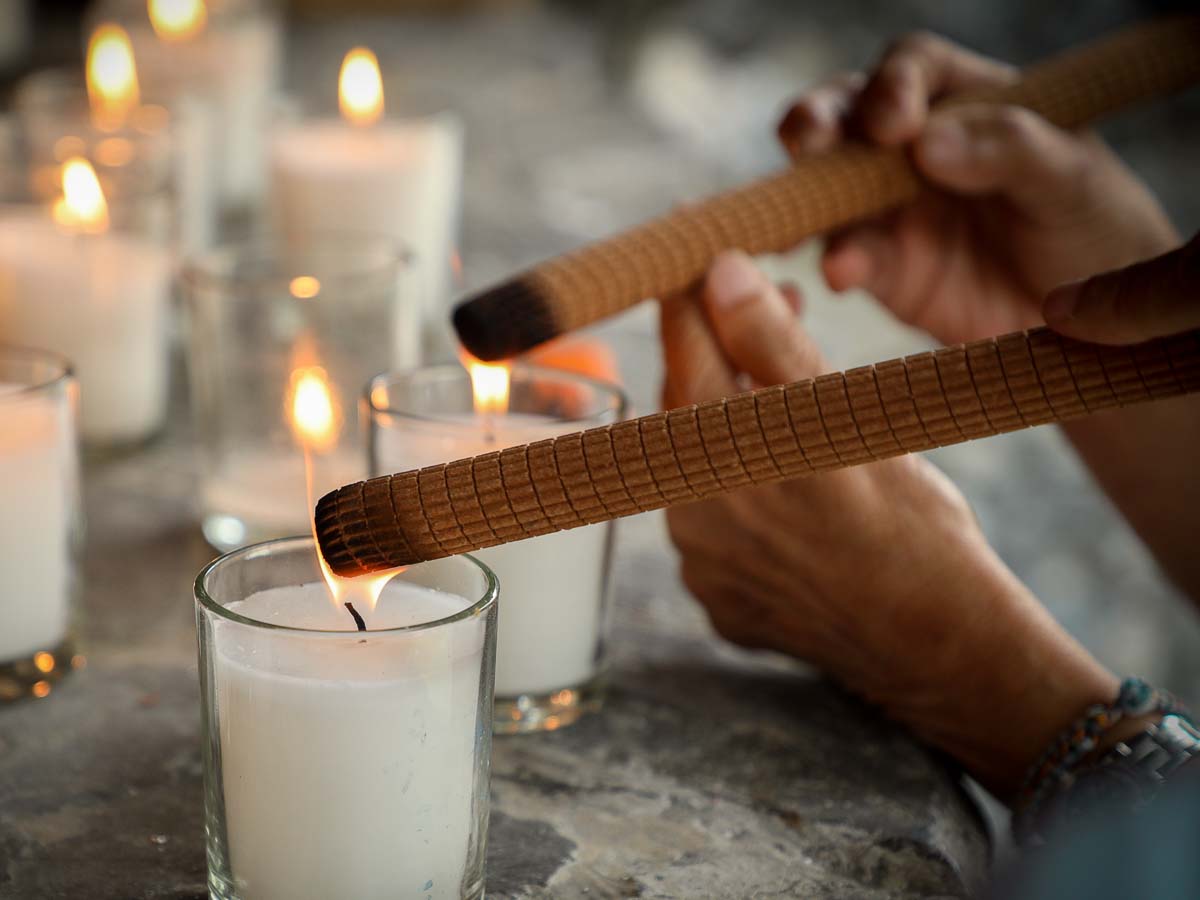
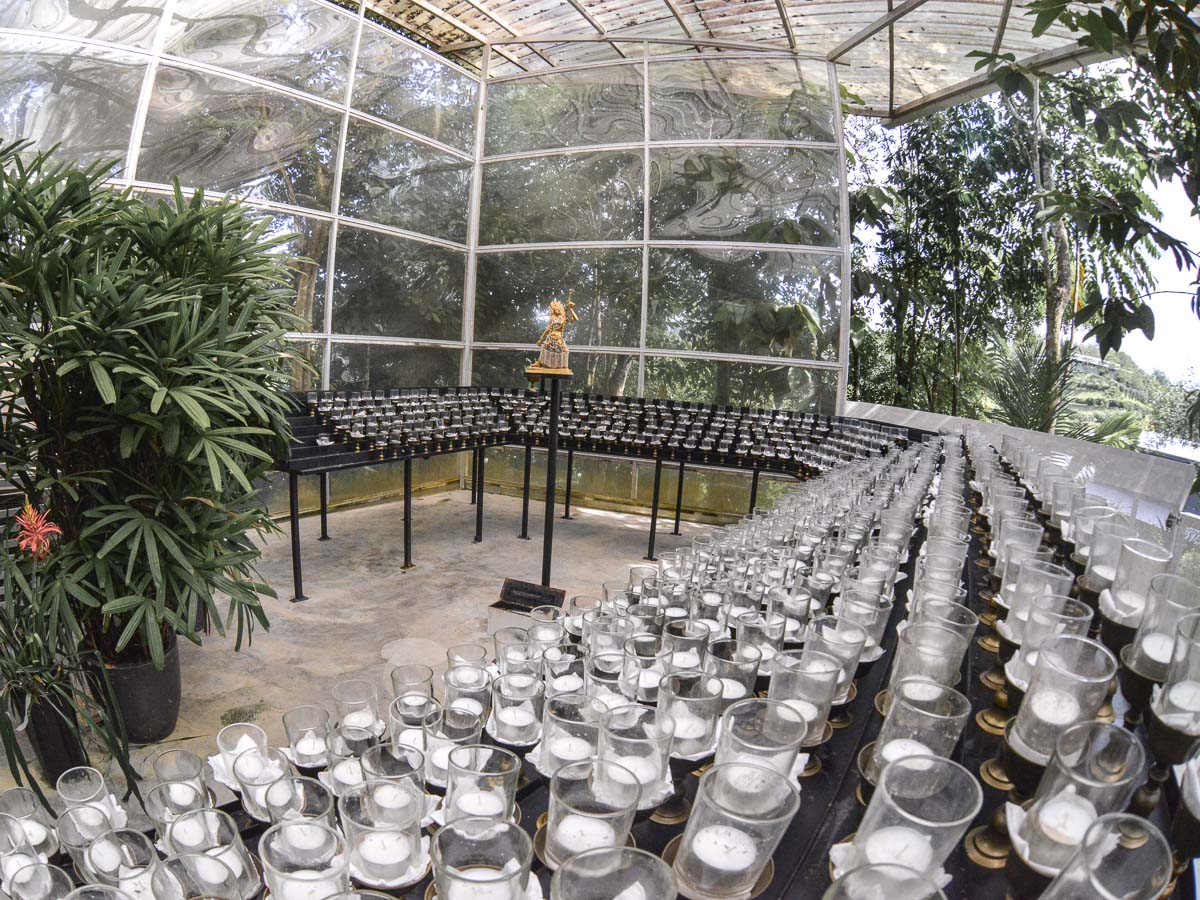
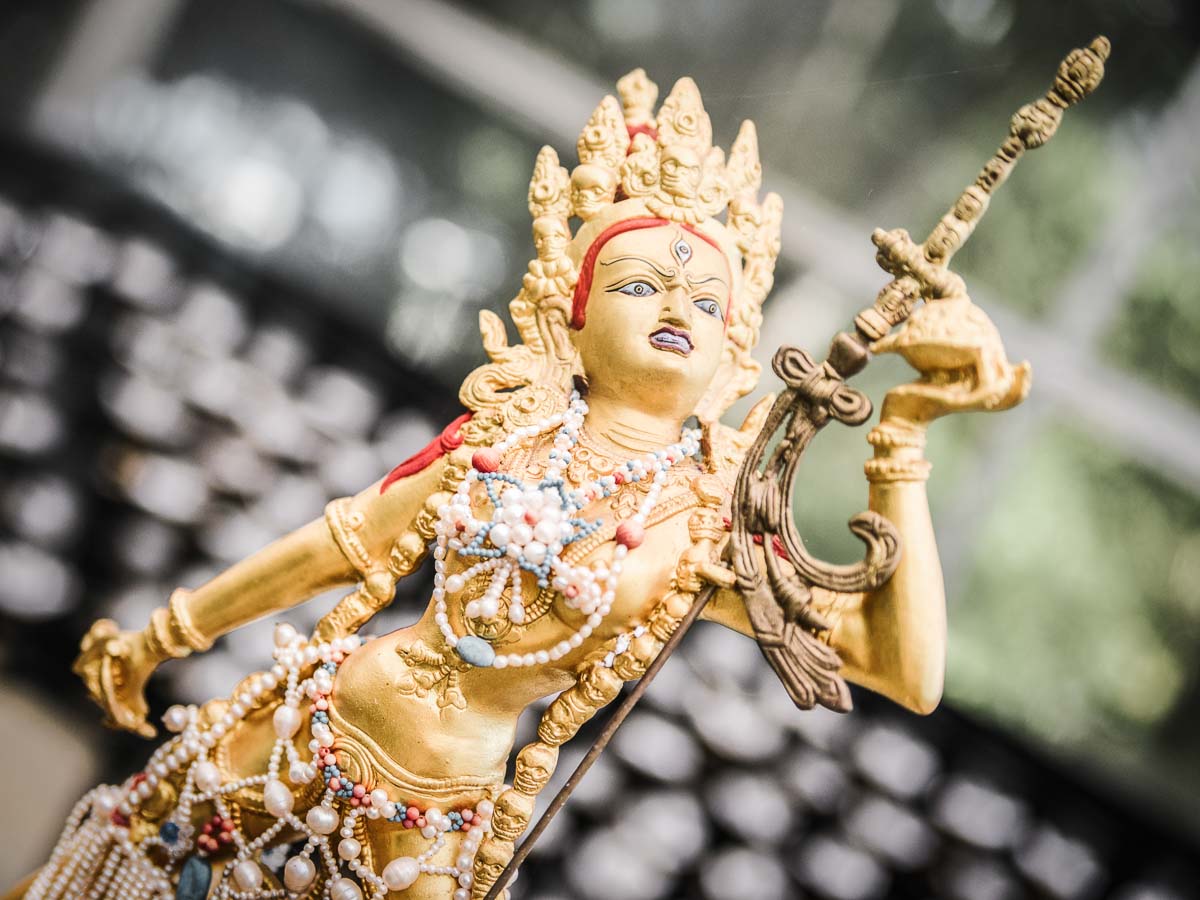
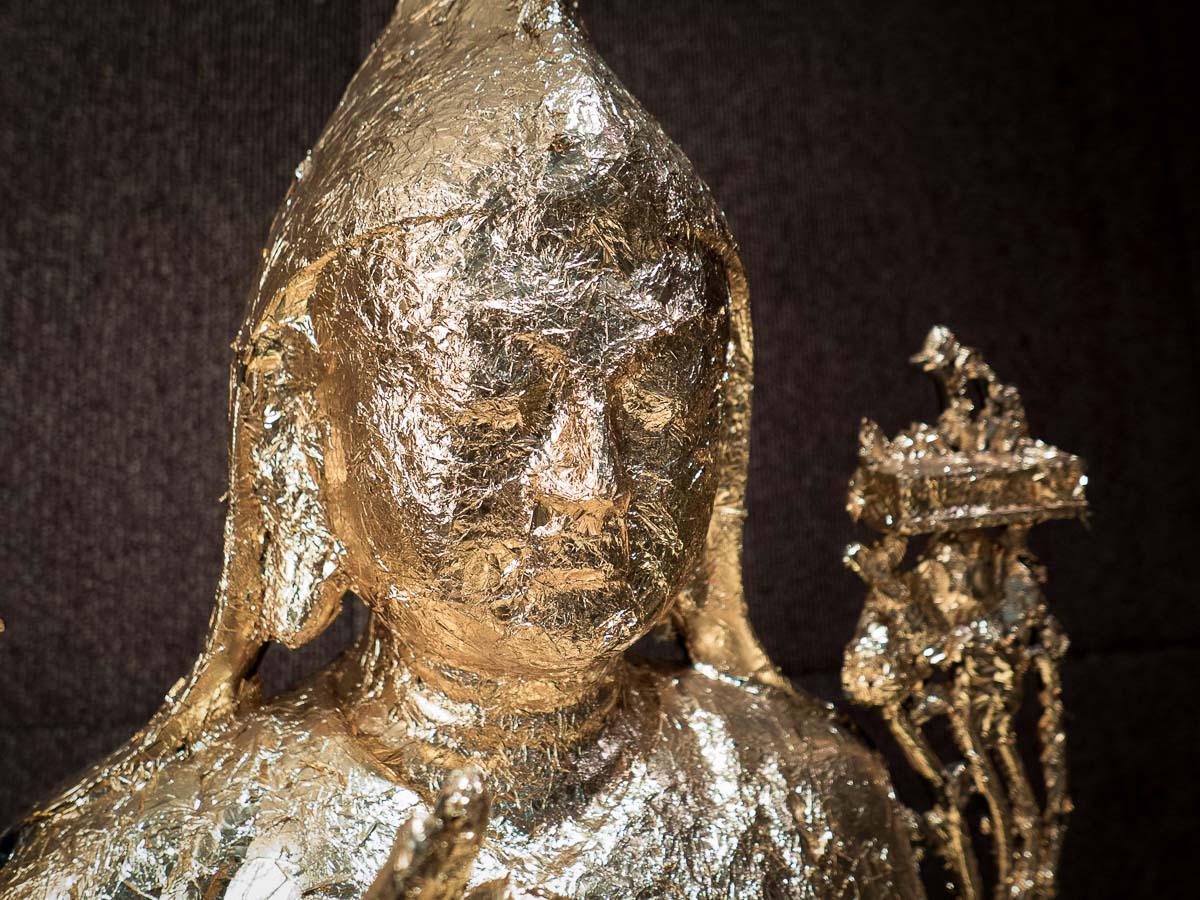
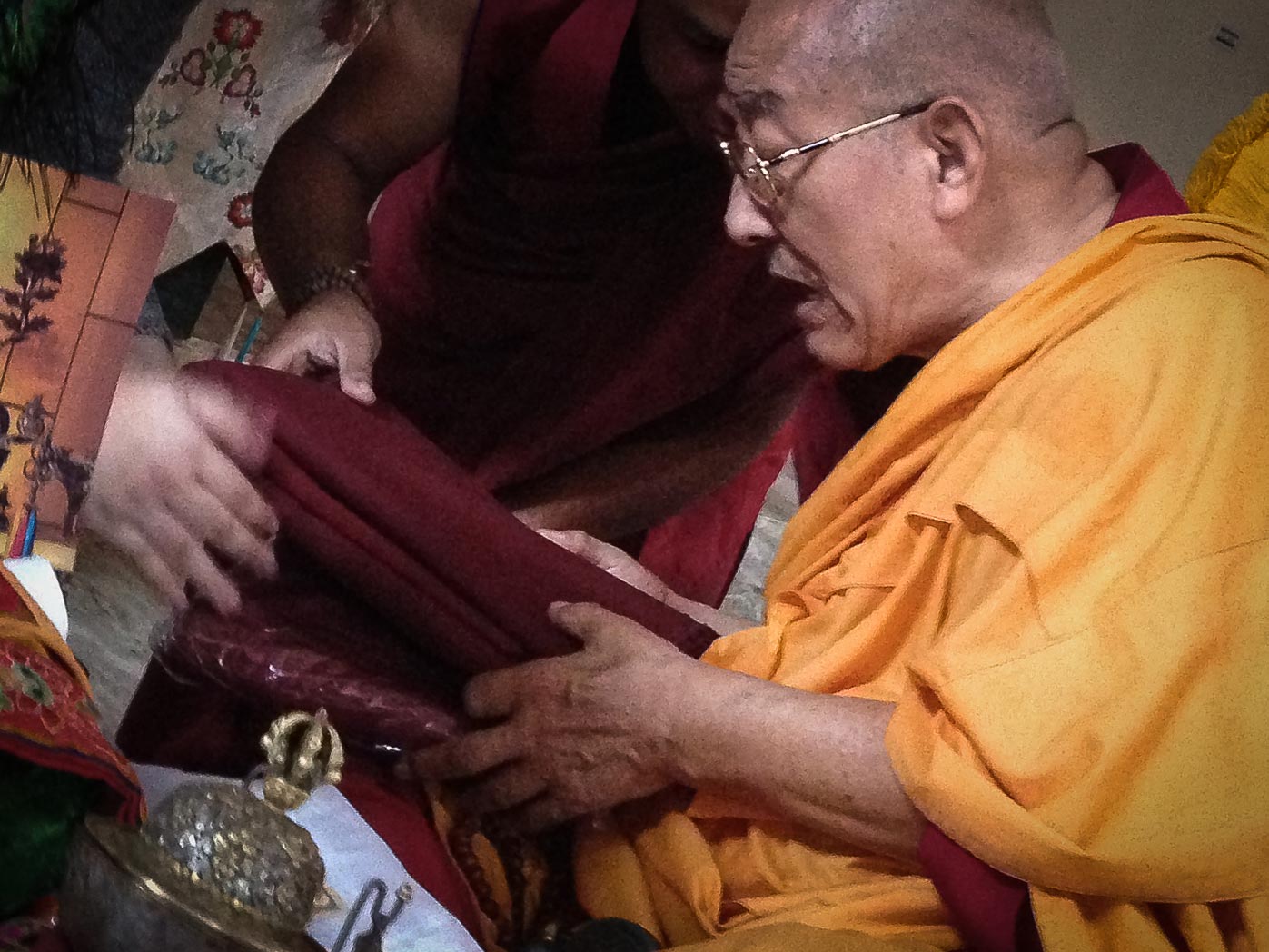
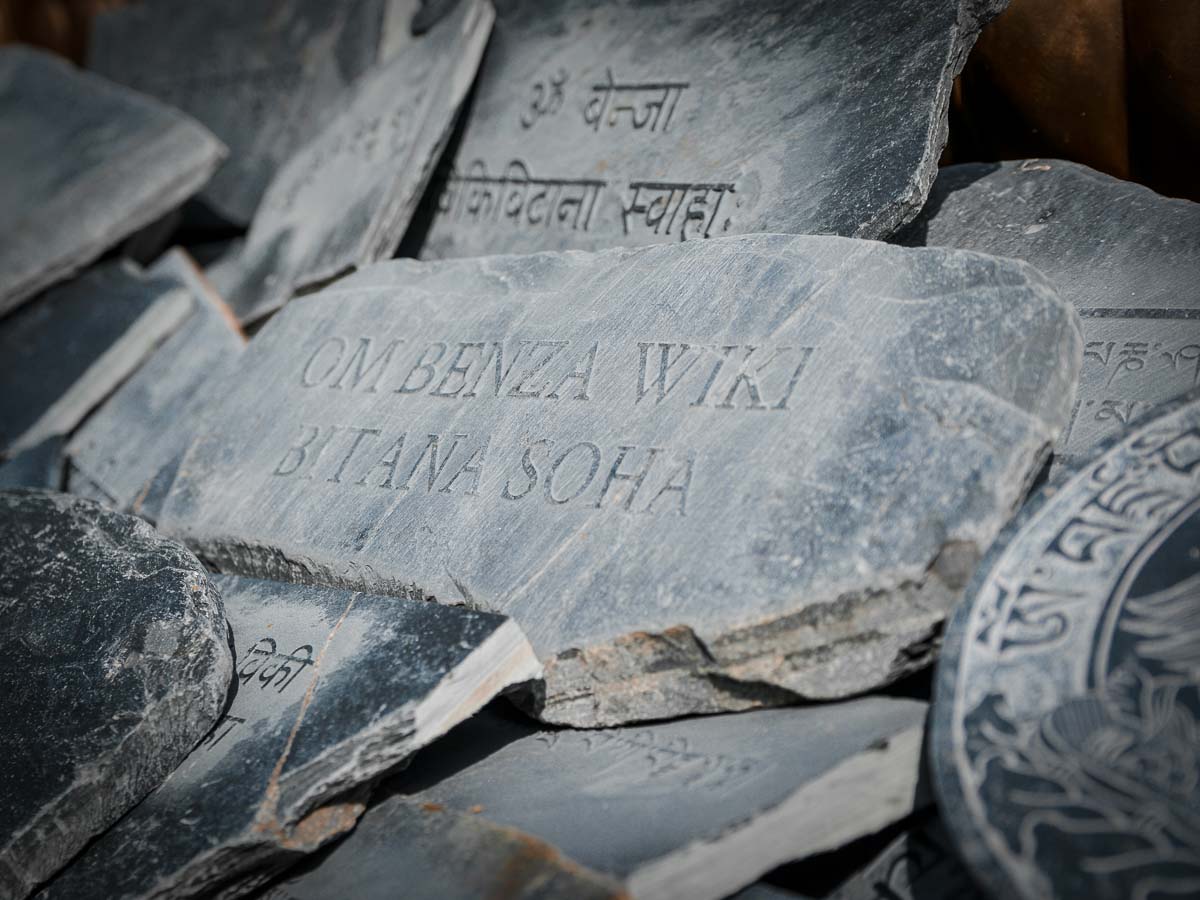
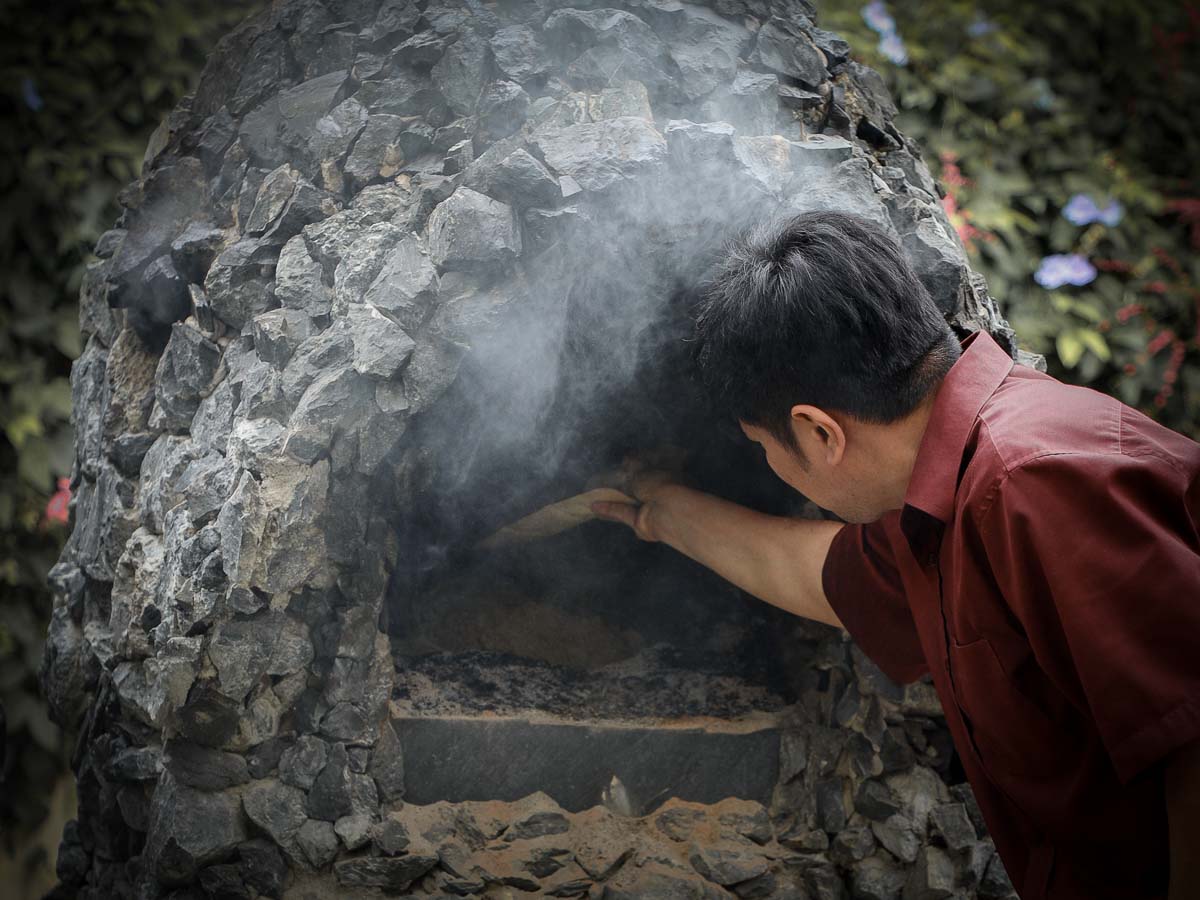
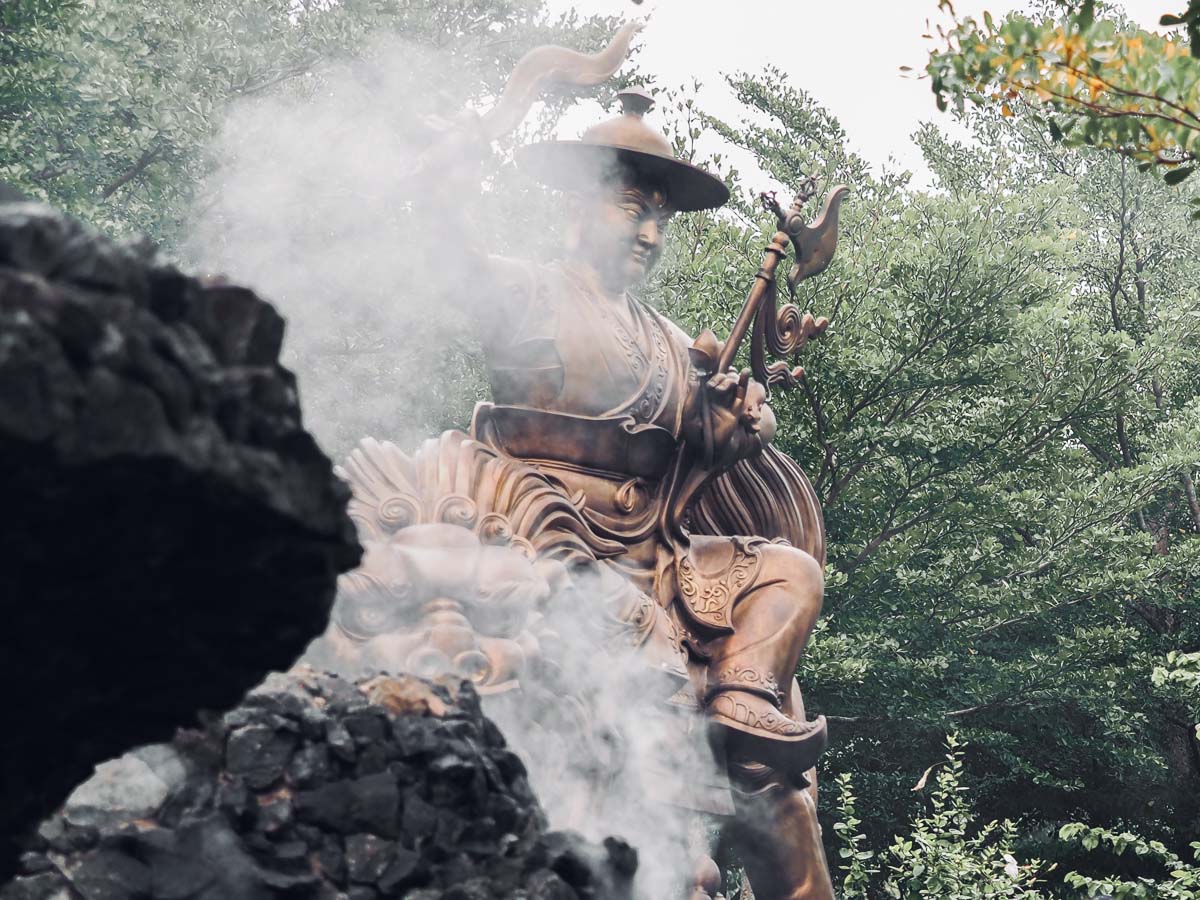
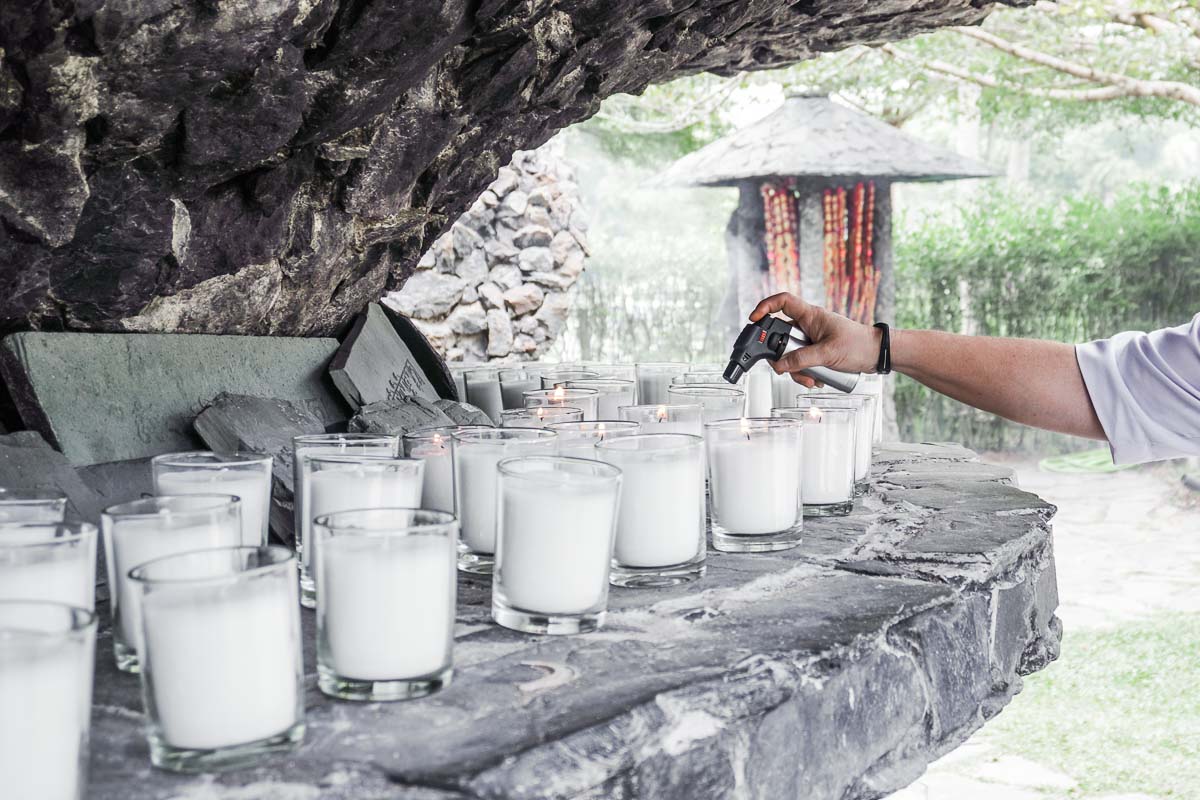
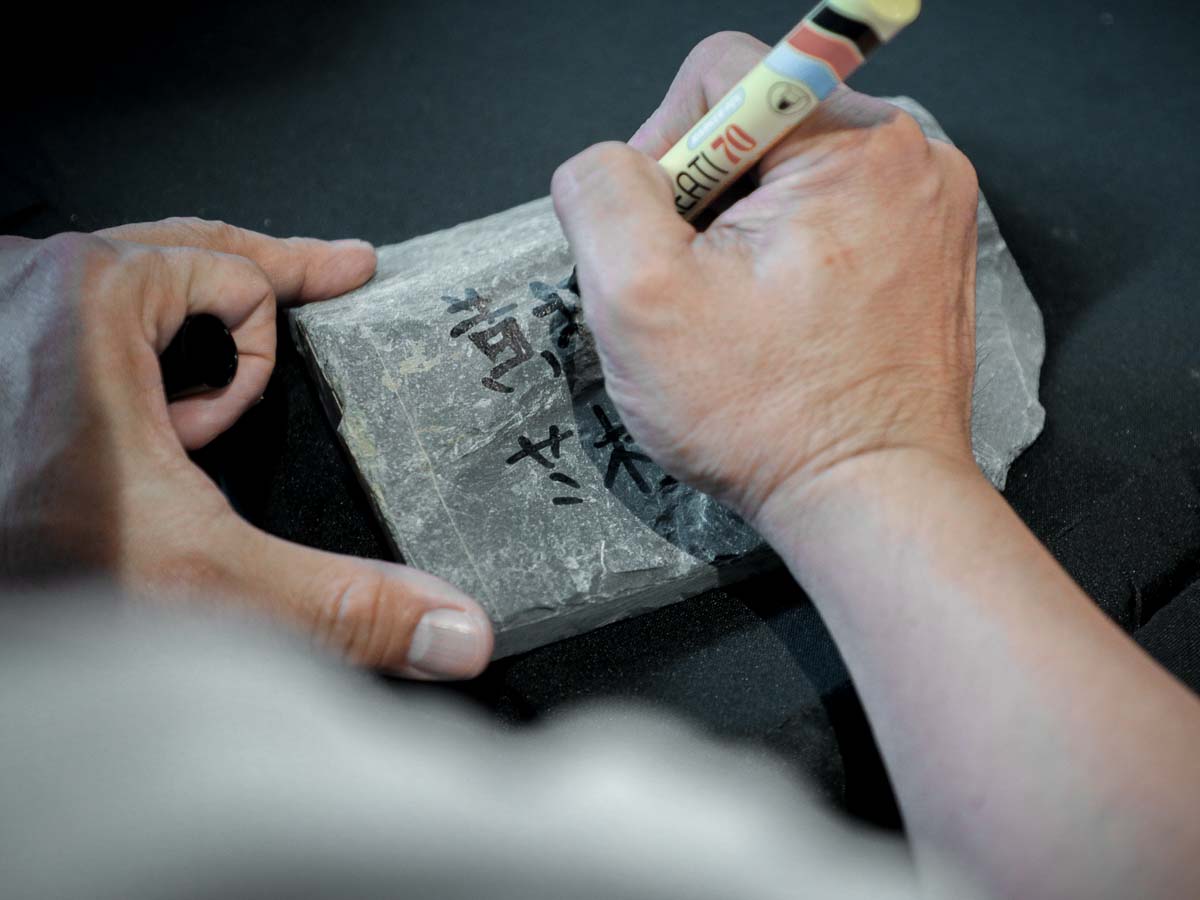
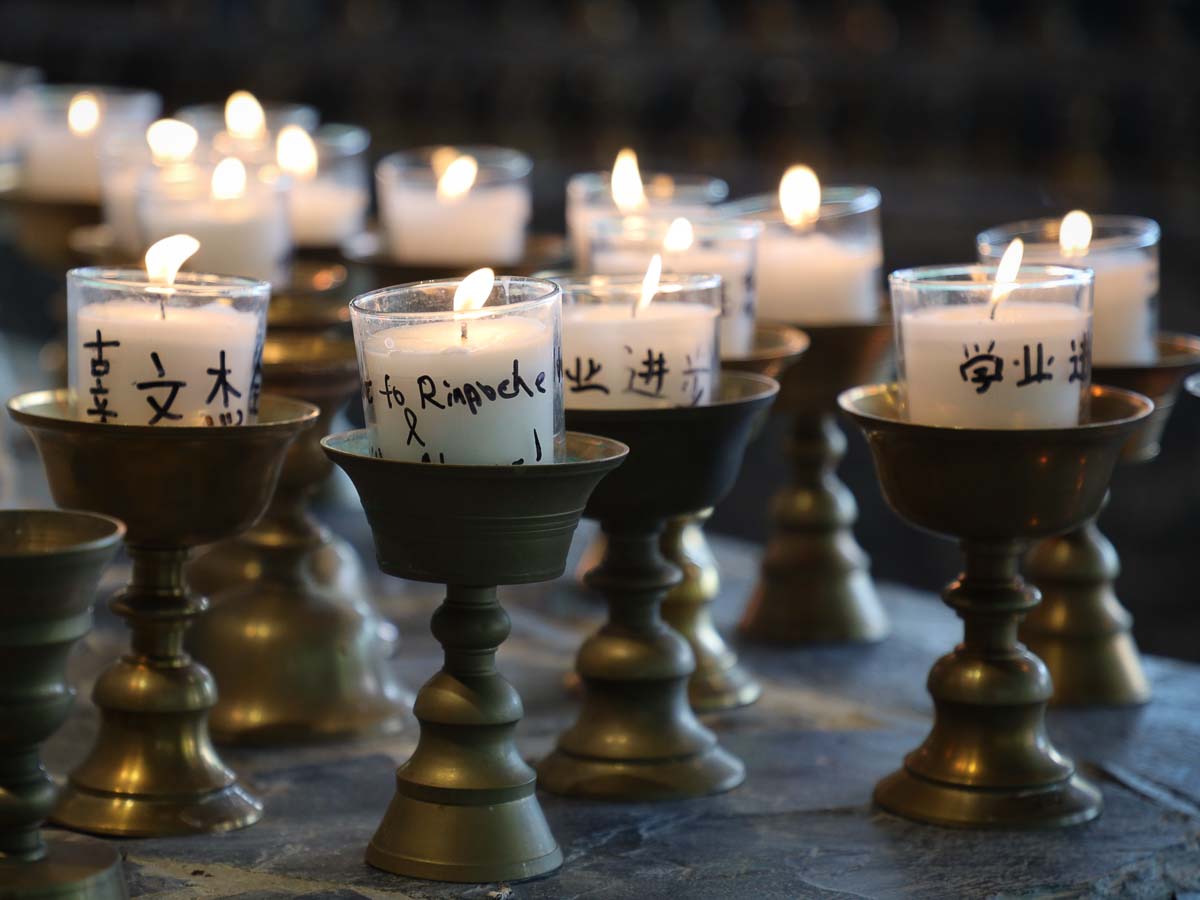
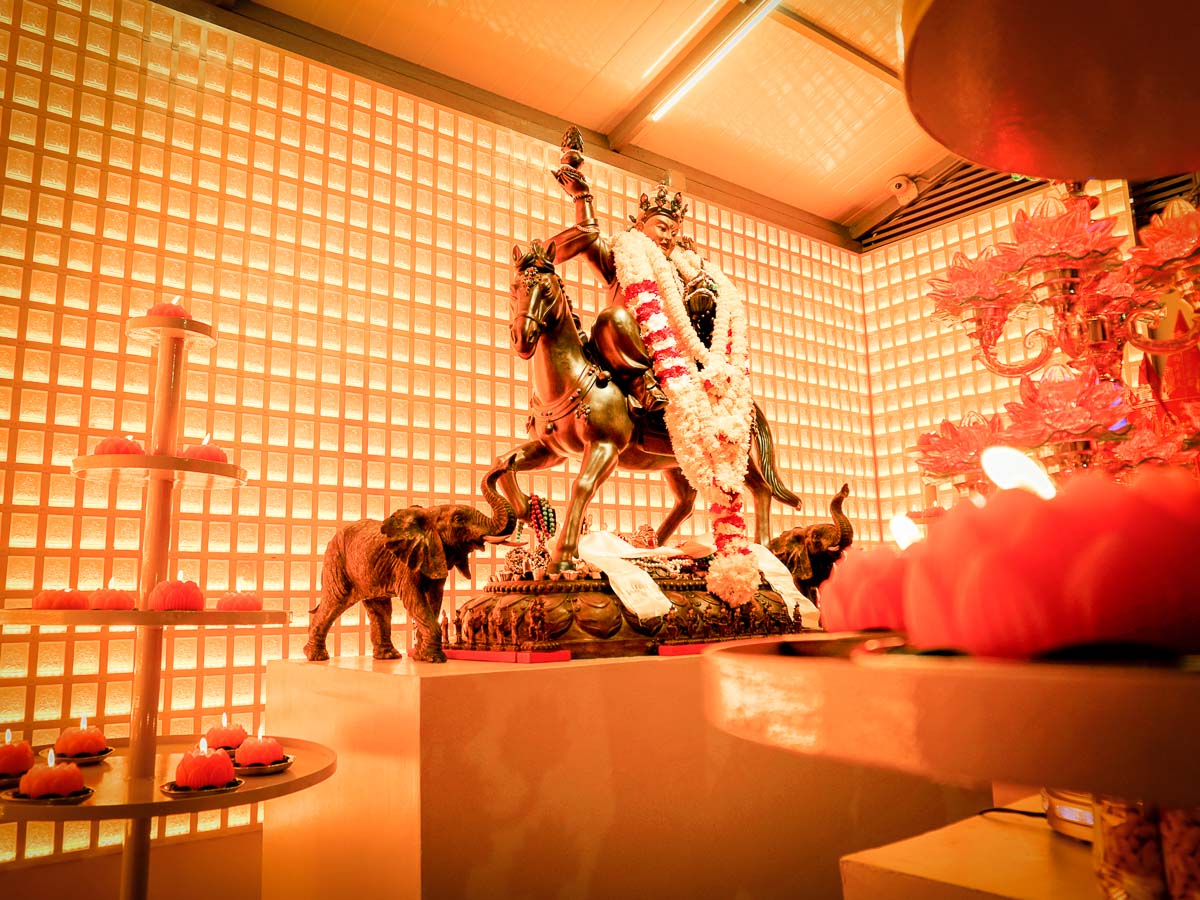
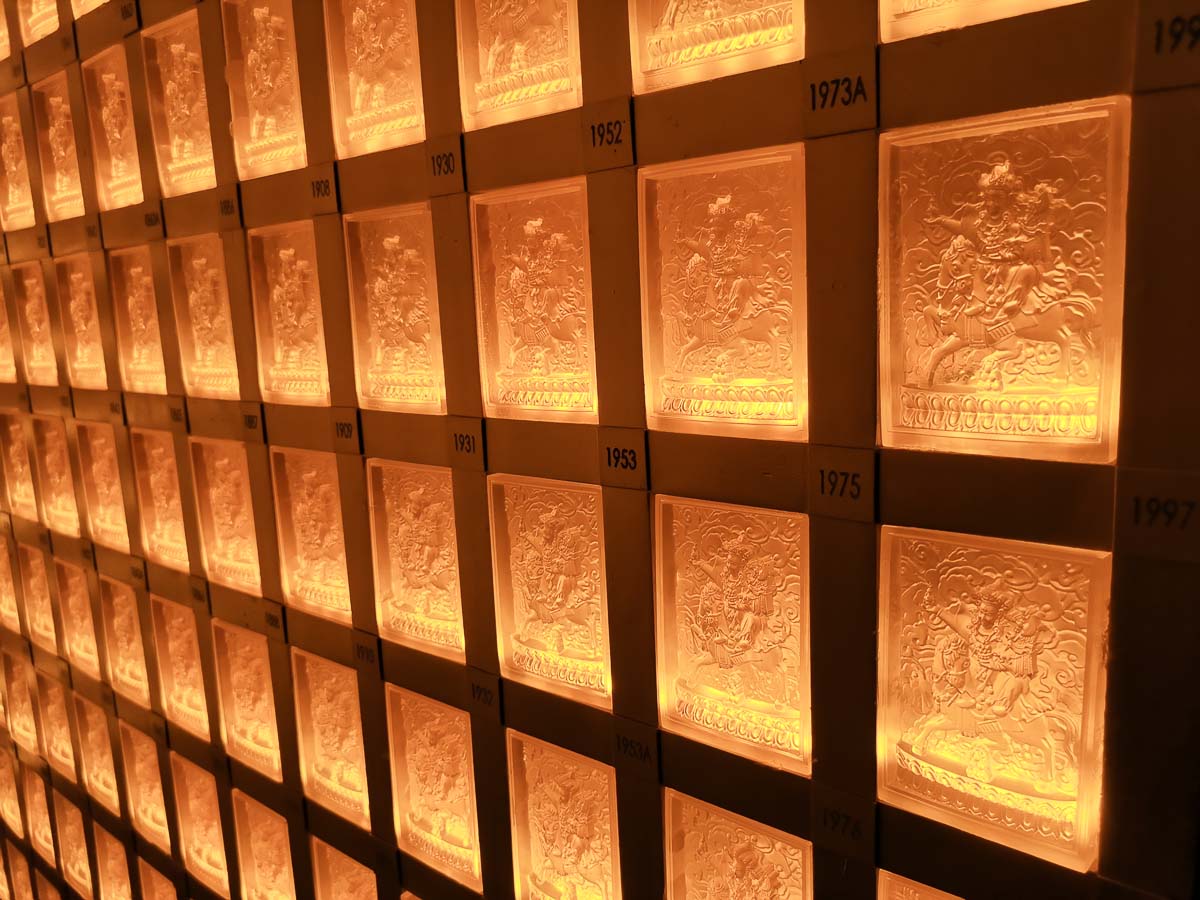
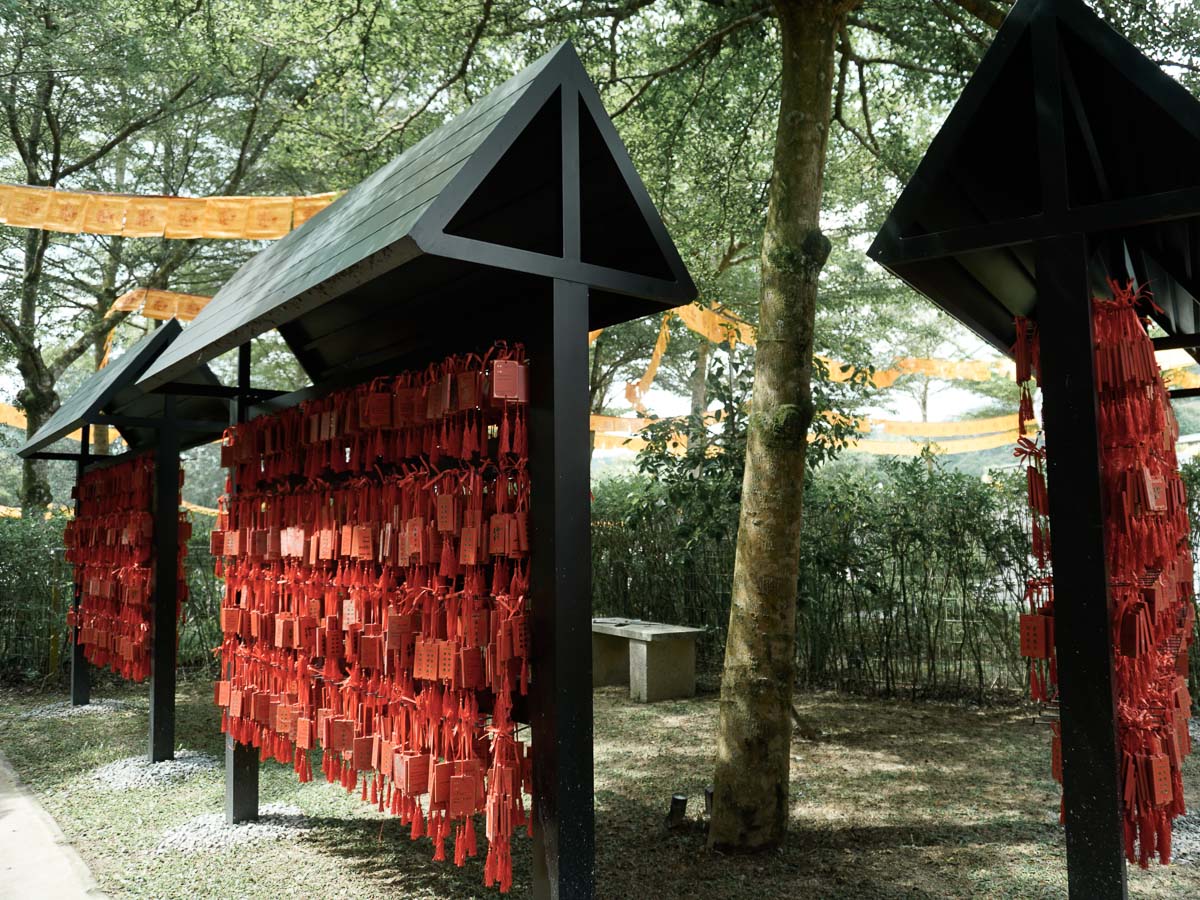
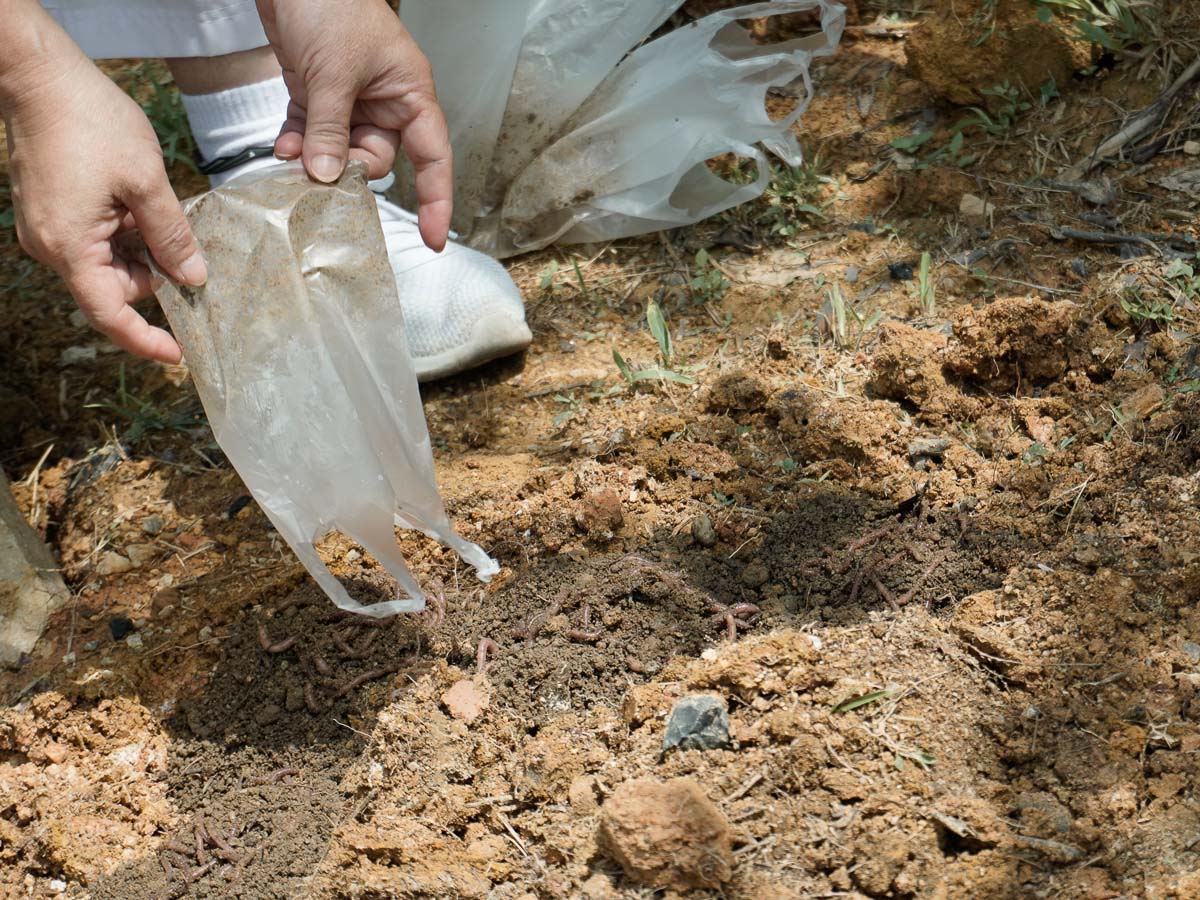
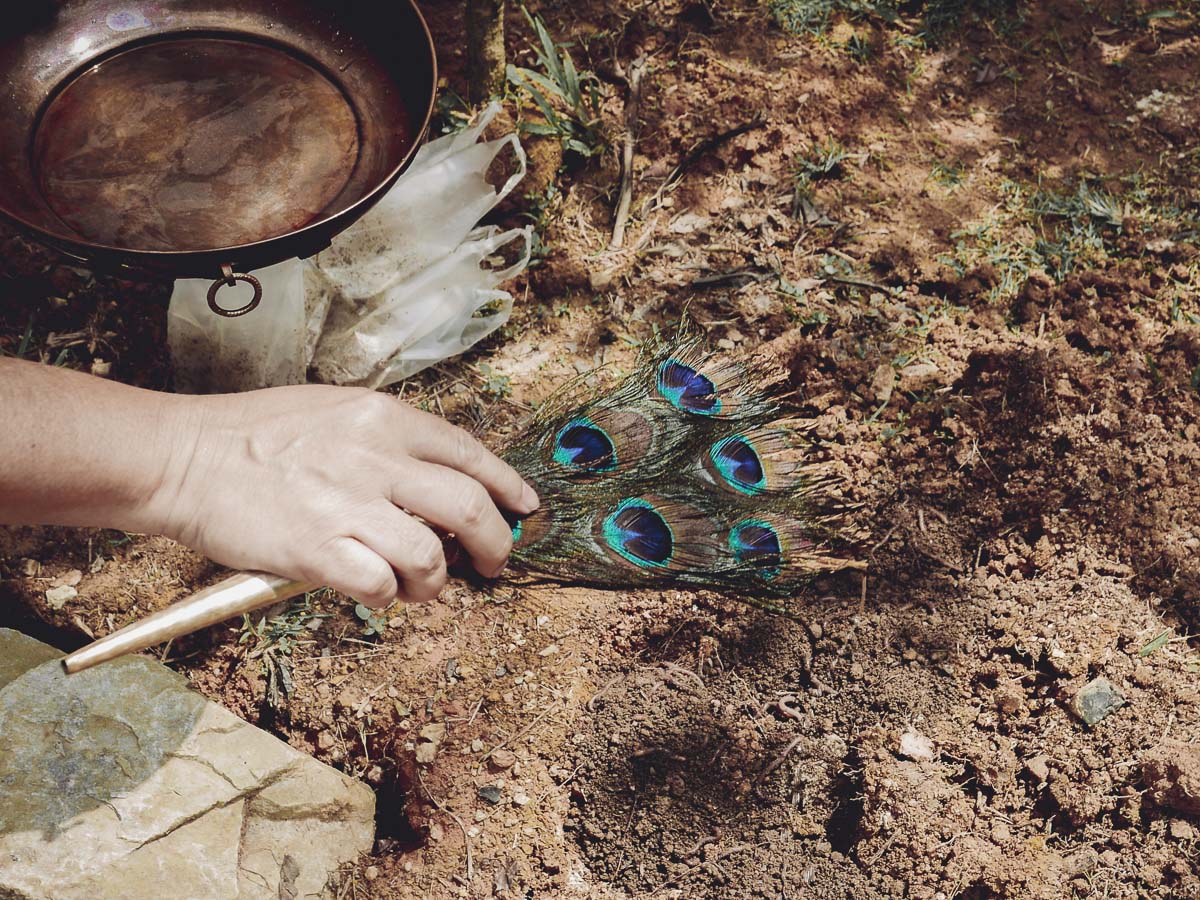
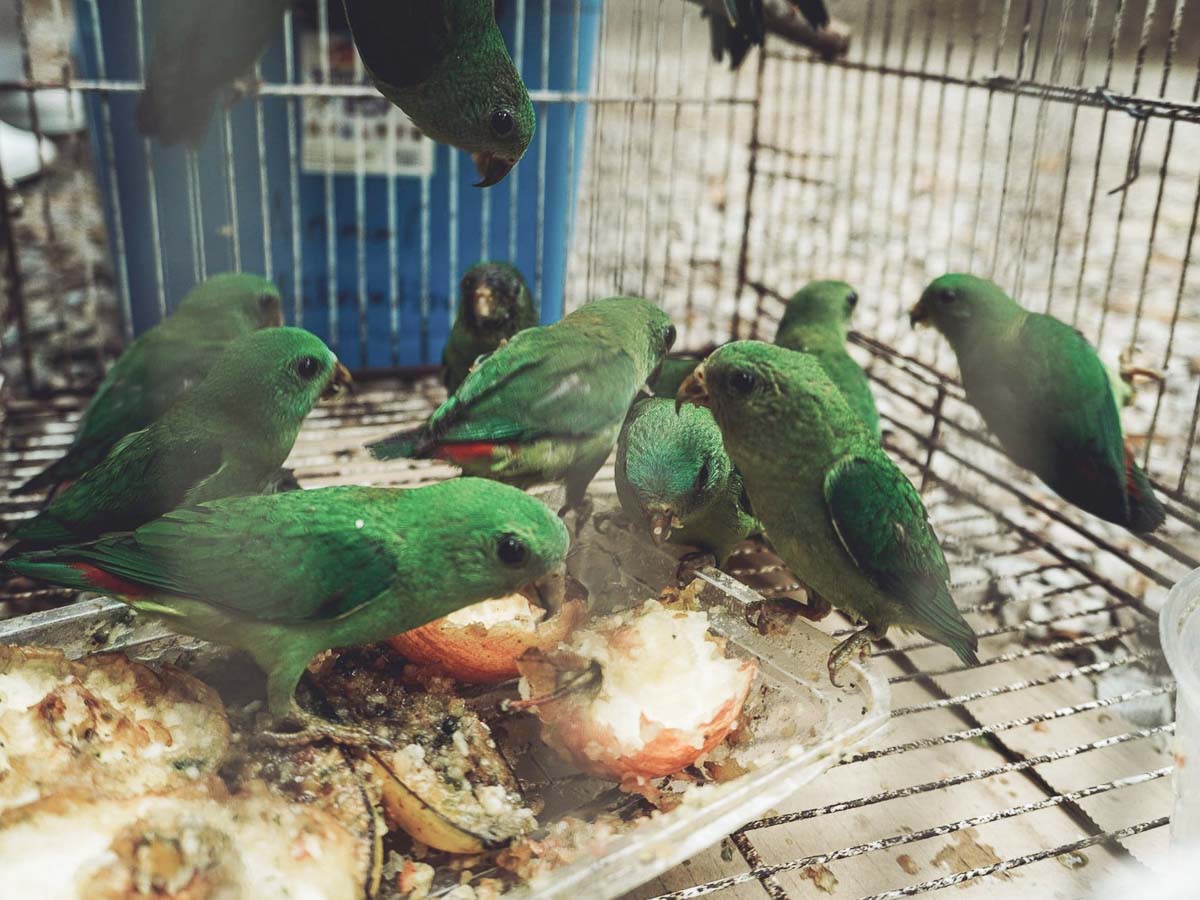
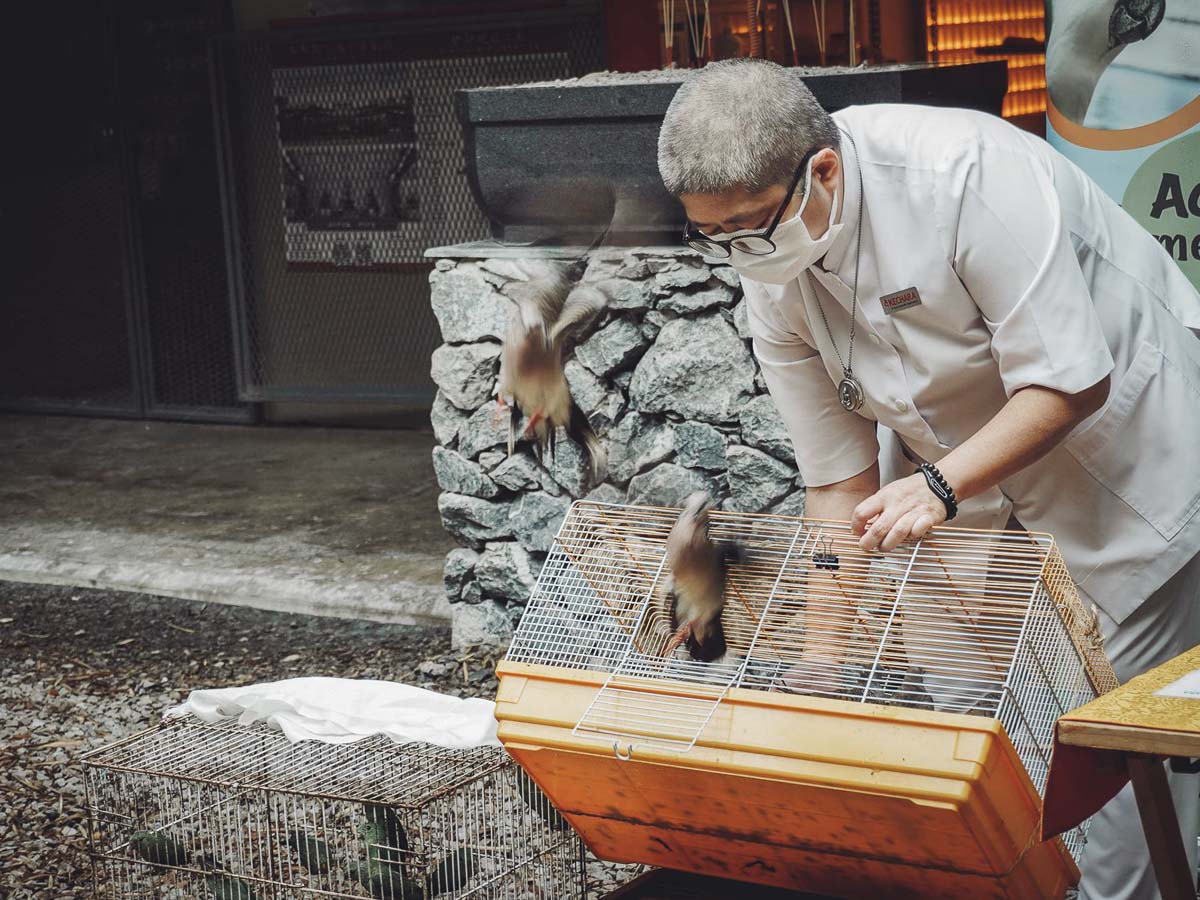
Offerings are a fundamental aspect of Buddhist practice. We have a wide selection of traditional offerings which you can offer in person at our holy sites in Kechara Forest Retreat. We’re also able to make these offerings on your behalf if you’re unable to physically visit us.
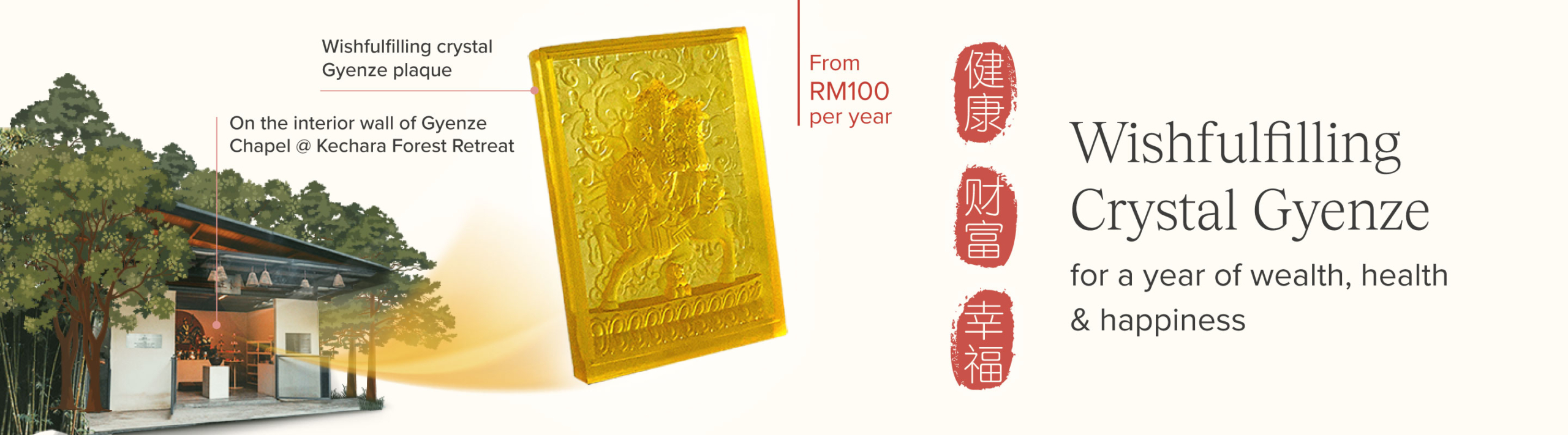
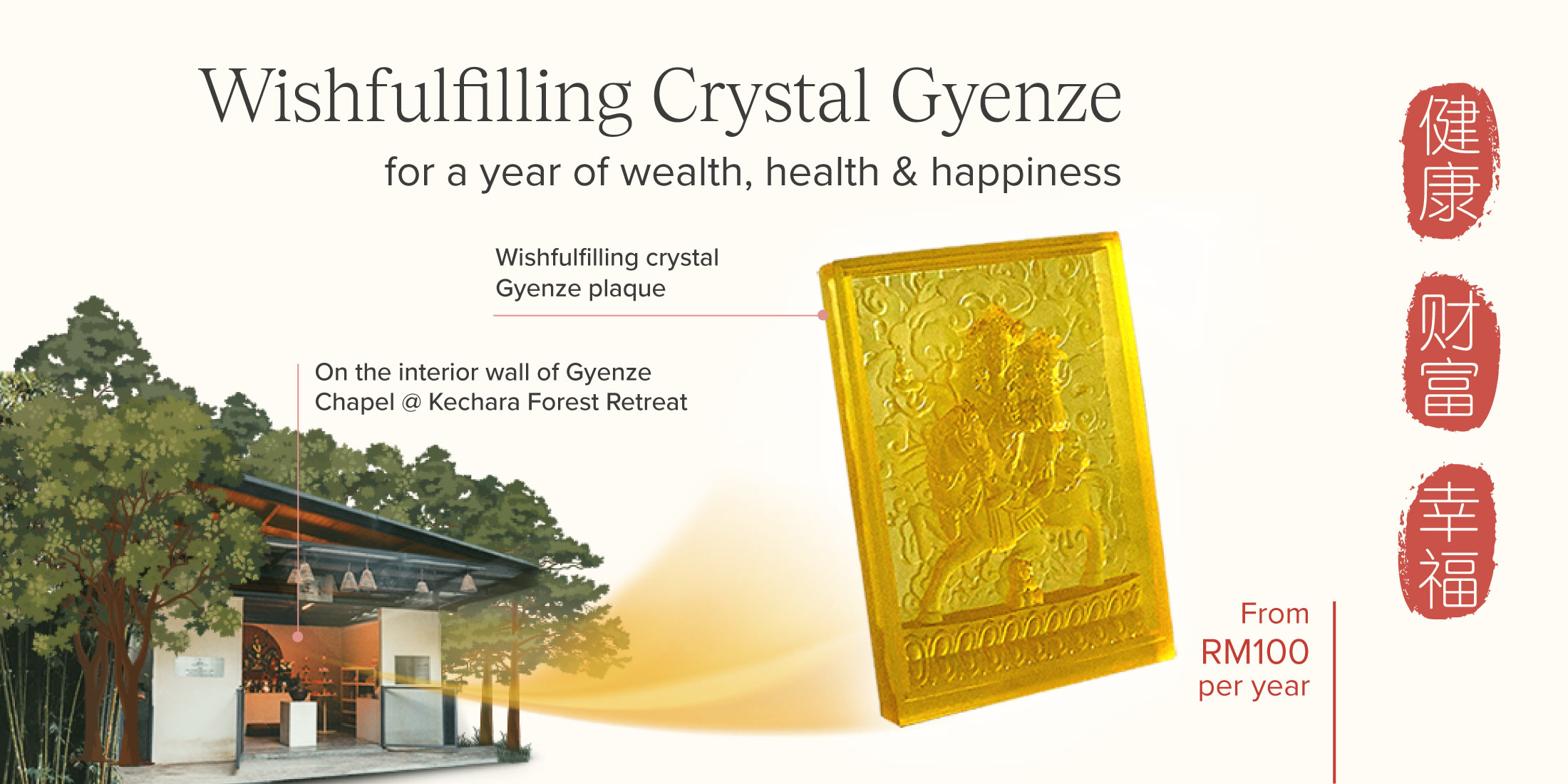
Incense | Candles | Butterlamps | Flowers | Jewels | Gold | Wishfulfilling Tablets | Buddha Plaques | Mantra Stones | Animal Liberation | Robes

BLESSINGS + SPIRITUAL SUPPORT
Pastor Services
Buddhist Baptism
Buddhist Baptism
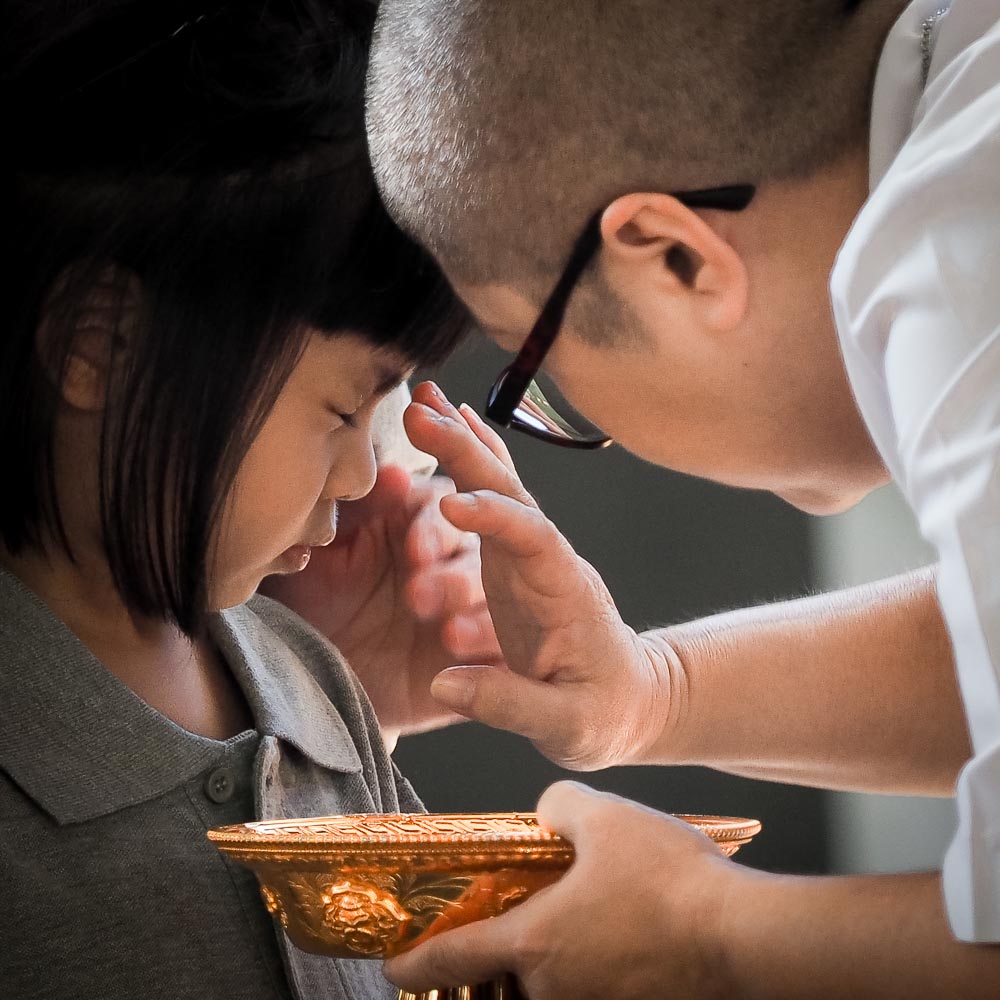
Once a year, we conduct a formal prayer and ritual to bless babies and children below the age of 18. As Buddhist parents, the baptism ceremony is a wonderful way to increase our children’s good qualities and bring them under the protection of the Three Jewels until they come of age to make their own spiritual choices.
If you’d like to register your child for baptism, please contact us.
Blessing Ceremonies
Blessing Ceremonies
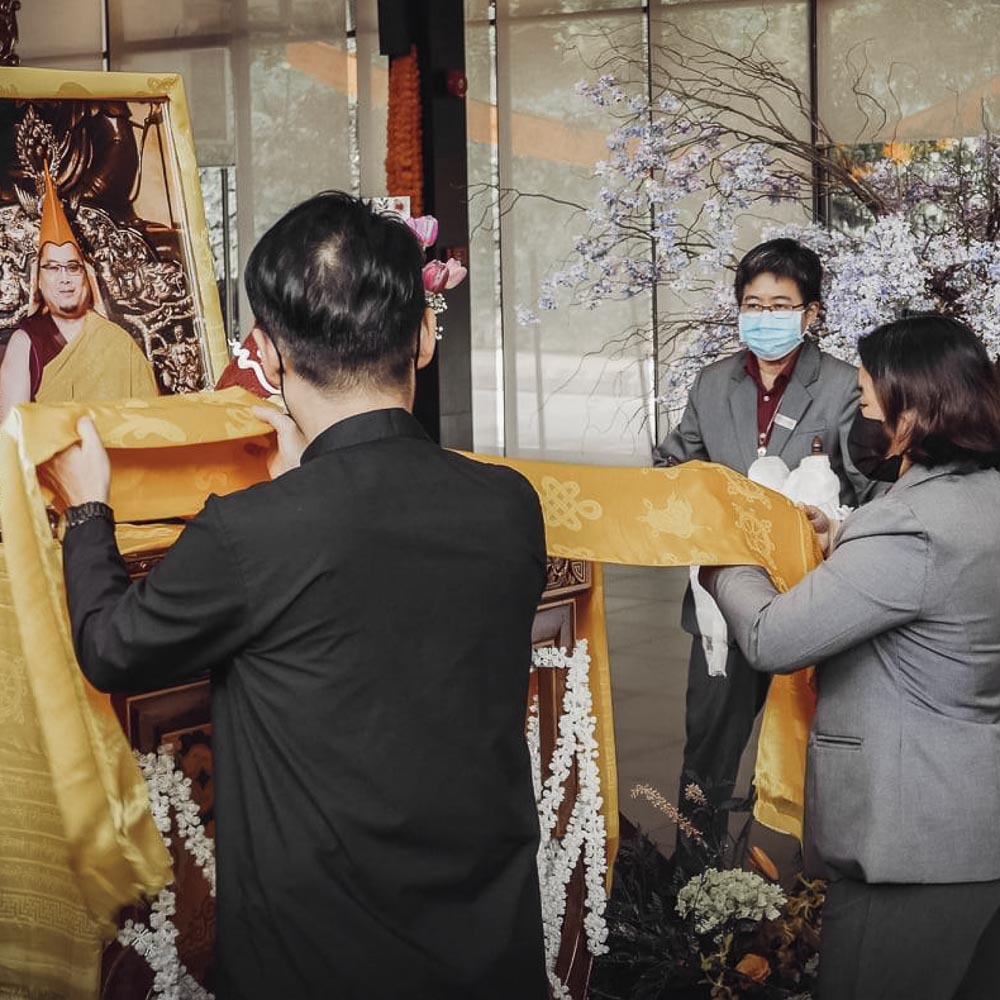
Blessing ceremonies are regularly held throughout the year. Most are on a walk-in basis such as the general pastor blessings on Buddhist festivals such as Wesak and Ullambana, and pastor pet blessings during Pets Day Out.
For our monthly vehicle blessings and quarterly blessings for Buddha statues and images, please register in advance. We will do our best to accommodate special requests for large groups or urgent situations on a case to case basis.
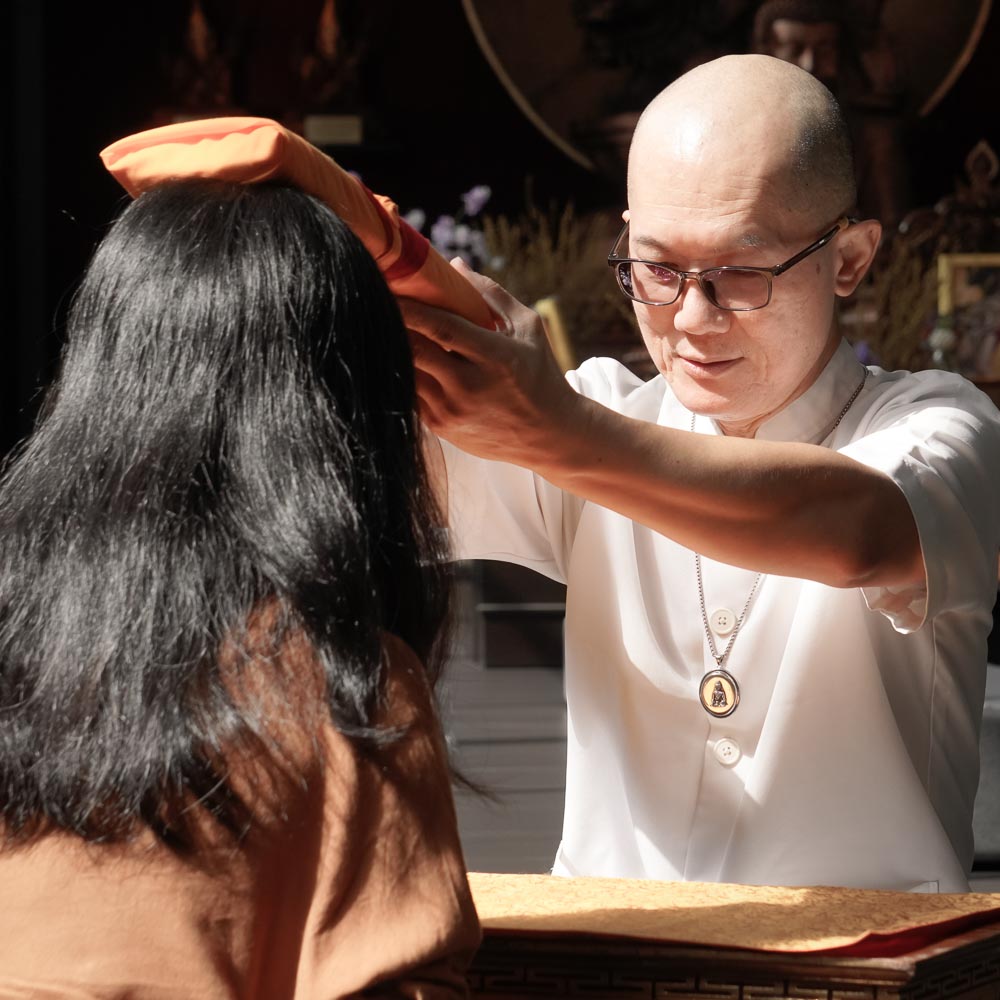
A blessing is something holy conferred upon us that will change our lives.
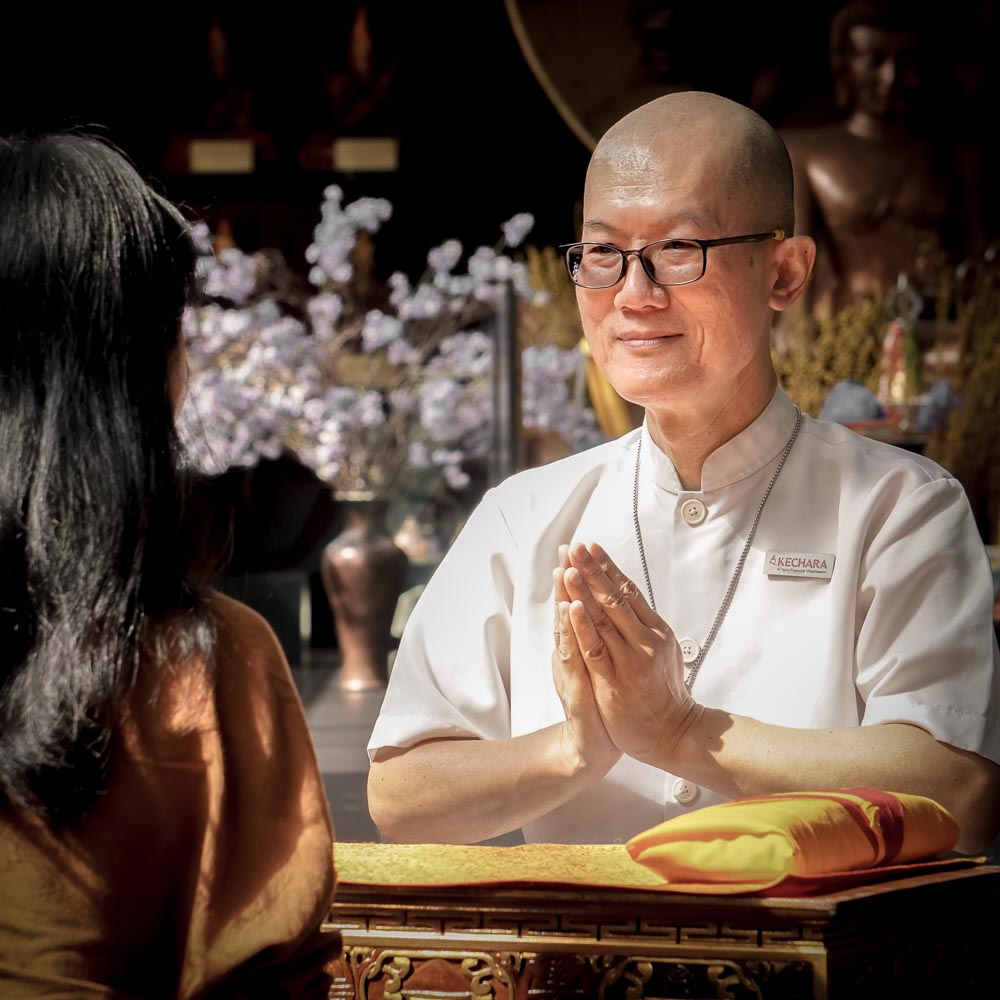
Giving Vows & Precepts
Giving Vows + Precepts
Vows are simple rules that act as a spiritual pointer to guide us along the right path. The taking of vows is a powerful Buddhist method of collecting merits for spiritual growth.
Our pastors have received the Eight Mahayana Precepts, Vegetarian Vows and Upasaka Vows (lay vows) from His Eminence Tsem Rinpoche, and are empowered to give them to interested practitioners upon request. These vows can be taken for a specific period of time or for life.
Taking Refuge
Taking Refuge
Refuge is a symbolic ceremony that formally marks your entry into the Buddhist path. Taking refuge in the Buddha, Dharma and Sangha symbolises your faith that they can reveal the methods to bring out your divine potential and ultimately lead you to full enlightenment. Refuge is an important step as the refuge vows are the fuel for your spiritual progress.
If you’d like to take refuge, our pastors will help you understand the refuge vows and commitments, and guide you through the refuge-taking ceremony. The ceremony is usually done in Kechara House or Kechara Forest Retreat, but can also be done in front of a suitable Buddha image.
Spiritual Support
Spiritual Support
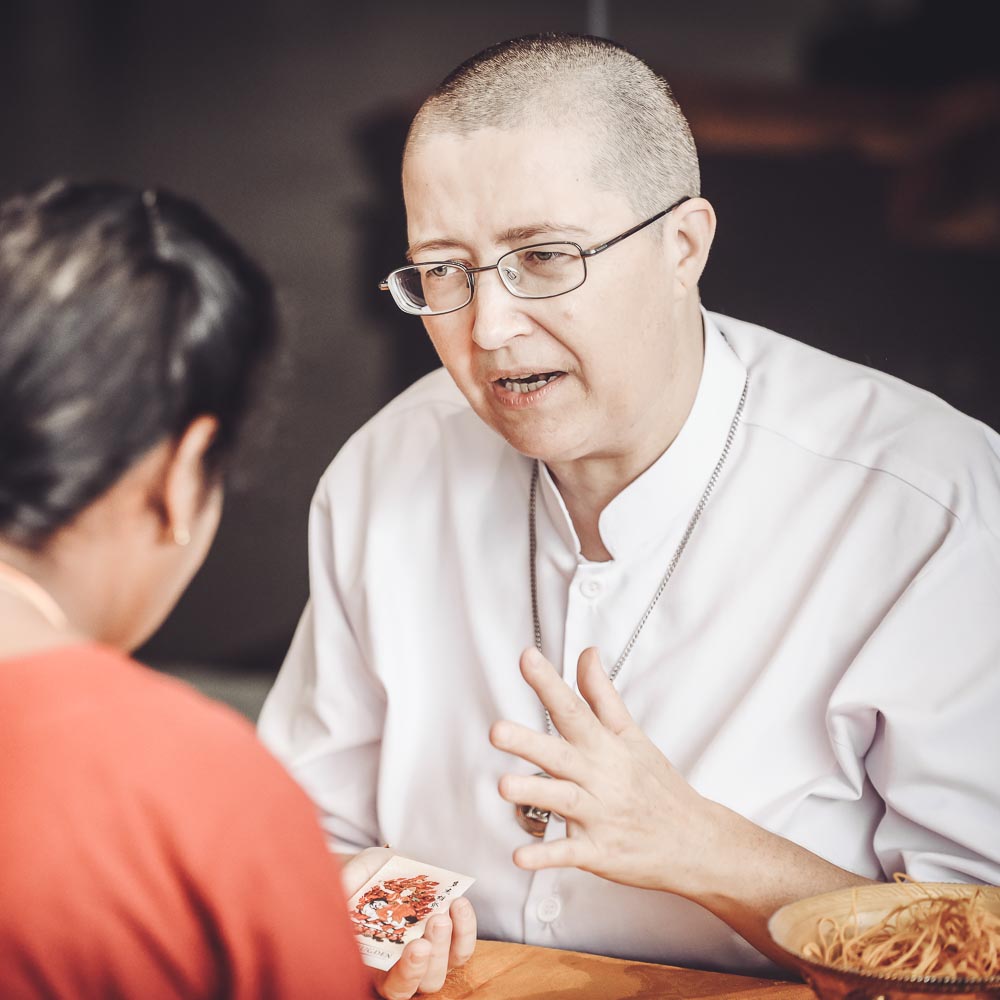
If you’re looking for a spiritual friend to answer your questions, point you in the right direction or clarify your doubts about particular aspects of Buddhism, we can help.
Submit your question on Ask The Pastors, or make an appointment to speak to a pastor on duty. You can also submit a request for a pastor to visit your institution, society or informal group to give a talk, join a forum or share their spiritual insights.
Outcall Visits
Outcall Visits
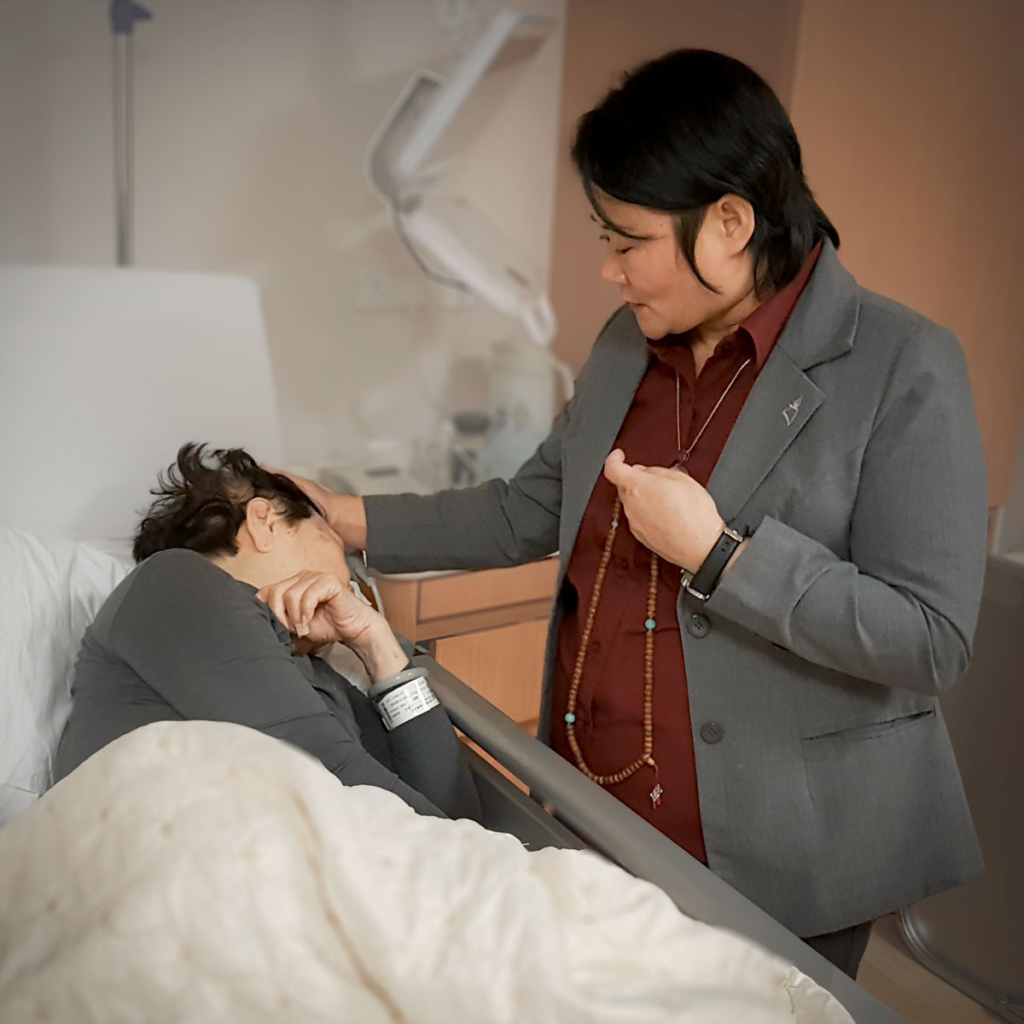
When a loved one is critically ill or when death is imminent, our pastors can do home and hospital visits to invoke Buddha’s blessings, relieve anxiety and bring peace of mind to all who are present.
We are also able to conduct last rites as part of our bereavement services.